


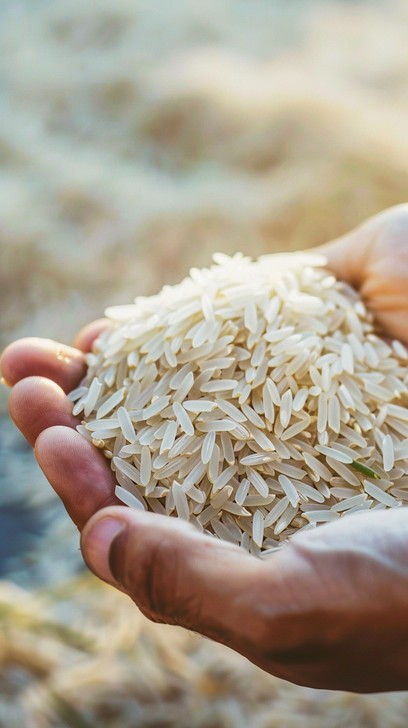
Pakistan’s rice exports recorded substantial growth during the first four months of the current fiscal year, reaching approximately 1.35 million tonnes between July and October 2026.
The increase reflects stronger international demand for Pakistani rice, particularly Basmati, despite shipping disruptions and rising transportation costs across important maritime trade routes.
According to trade figures reported on November 23, total rice exports increased by approximately 353,000 tonnes compared with the corresponding period last year.
Basmati Rice Shipments Record 62% Growth
Basmati rice emerged as a major contributor to the increase in Pakistan’s export performance.
Shipments of the premium rice variety reached approximately 301,000 tonnes during July–October 2026, representing a 62% increase compared with the same period last year.
The growth highlights the continued importance of Pakistani Basmati in international food markets, where its quality and distinctive characteristics support demand among consumers and importers.
Non-Basmati rice exports also increased, reaching approximately 1.049 million tonnes during the four-month period.
International Buyers Support Export Growth
Pakistan continued supplying rice to several international markets during October.
The Philippines emerged as the largest individual buyer during the month, importing approximately 87,478 tonnes of Pakistani rice.
Tanzania followed with 43,747 tonnes, while Kenya imported 33,078 tonnes.
Other destinations included the United Arab Emirates, European Union markets, Central Asia, China and Saudi Arabia.
The broad distribution of exports demonstrates the importance of maintaining access to established markets while developing additional international trade opportunities.
Shipping Disruptions Present Challenges
The increase in exports came despite disruptions affecting important maritime routes, including the Red Sea and Strait of Hormuz.
Shipping diversions, higher ocean freight charges and increased marine insurance premiums have created additional challenges for international exporters.
These costs can influence delivery schedules, competitiveness and the final prices paid by overseas buyers.
Pakistan’s rice export performance during this period therefore reflects the ability of exporters to maintain shipments despite a challenging international trading environment.
Agriculture and Policy Support Contribute to Growth
Market analysts have associated the improvement in Basmati exports with several factors, including policy support, available stocks, expanded cultivation and favourable agricultural conditions.
The extension of the Drawback of Local Taxes and Levies scheme through September was also identified among the factors supporting the sector.
Higher yields and increased cultivation in selected areas contributed to the availability of rice for international markets.
What This Means for Pakistan’s Economy
Rice is an important agricultural export for Pakistan and contributes to foreign exchange earnings, employment and rural economic activity.
Continued growth in exports could create opportunities for farmers, rice millers, traders and businesses involved in transportation and international distribution.
However, sustaining this performance will require attention to crop quality, production costs, market diversification and reliable access to international shipping routes.
Pakistan’s latest export figures provide encouraging signs for the agricultural trade sector, although maintaining growth will depend on market conditions and the competitiveness of local producers.

