


The International Cricket Council (ICC) has introduced several changes to its Playing Conditions, including new measures to curb time-wasting, standardise ball specifications and clarify fielding rules.
The changes will apply to all international series that start on October 1 or later, with ongoing series played as per previous regulations. The updated Playing Conditions for Men and Women across all formats are now available in the Rules and Regulations section of the ICC website and incorporate changes to the MCC Laws of Cricket that come into effect today.
Among the key changes taking effect in series starting on October 1 or later are penalties for batters who waste time, tighter specifications for the size and weight of balls used in women’s international cricket, and the introduction of a trial allowing pink balls to be used in daytime Test matches.
Key changes across formats
Batters wasting time (men’s cricket): This playing condition has been refined. If a batter is not ready to face the ball within the prescribed time, a warning will be issued for the first offence, a final warning for the second, and five penalty runs awarded to the fielding side for the third and each subsequent offence. Code of Conduct provisions may also be invoked in case of repeated offences.
Tighter tolerances for size and weight of women’s cricket balls: The specifications for men’s cricket balls allow only a limited tolerance in size and weight. For women’s and junior cricket, manufacturers have often produced a single ball for both categories. New limits have now been introduced, establishing three distinct size and weight specifications for men’s, women’s and junior cricket.
Overthrows: This regulation has been clarified to remove ambiguity over what constitutes an overthrow. An overthrow is an attempt to direct the ball towards the stumps to prevent runs or effect a run-out. A misfield, whether an attempt to stop the ball or pass it to another fielder, does not constitute an overthrow.
Ball ‘finally settled’: The umpire will now have greater leeway in determining whether a ball is finally settled, which can often be extremely important, particularly on the final ball of a close game. The ball no longer must necessarily be in the bowler’s or wicketkeeper’s hands to be finally settled.
Held in the fielder’s hand and complete control over the ball: For a ball to be considered held by a fielder for a run-out or stumping, the fielder must have complete control of the ball. Merely touching the ball with the hand while it breaks the stumps does not establish holding it.
Test Cricket specific
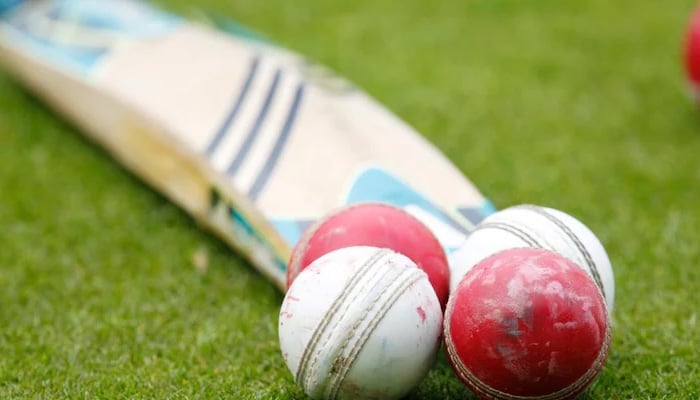
Pink Balls: As a trial, pink balls may be used in daytime Tests by mutual agreement to reduce loss of play due to bad light. The use of a pink ball must be agreed before the start of the Test and once agreed, must apply for the duration of the match. The decision cannot be changed after the match has started. Switching from red to pink ball is also not allowed once the match has commenced.
Final over of a day’s play does not necessarily end at the fall of a wicket: Play will not automatically come to an end at the fall of a wicket in the last over of the day if that over has not been completed, if the weather and conditions are fit for play to continue. This change has been made because it does not save time as the remaining deliveries still need to be bowled the next day, while it will also reward the fielding team and keep drama in the game.
ODI and T20I Cricket specific
Intervals: In T20I cricket, there is now a fixed 15-minute interval. This can be reduced to a minimum of 10 minutes when time is lost.
Drinks: The ODI and T20I PCs are now aligned to allow the ‘Head Coach or their designate’ to enter the field of play at drinks intervals.
Wide ball: The leg-side wide trial has been added permanently to the ODI and T20I PCs.
It may be noted that the above-mentioned changes have already been implemented in women’s cricket where applicable.
ICC Men’s Cricket Committee: Sourav Ganguly (Chair); Desmond Haynes, Hameed Hassan (Past Players); Temba Bavuma, VVS Laxman (Current Player Representatives); Jonathan Trott (Full Member Team Coach Representative), Paul Reiffel (Umpires’ Representative); Richie Richardson (ICC Referees’ Representative); Scott Edwards (Associate Members’ Representative); Shaun Pollock (Media Representative); Jay Shah (ICC Chairman, Ex Officio), Sanjog Gupta (ICC CEO, Ex Officio); David Kendix (Statistician); Freddie Young (Committee Secretary).
ICC Women’s Cricket Committee: Clare Connor (Chair); Ashley de Silva, Pholetsi Moseki (CEC Representatives); Catherine Campbell, Avril Fahey (Full Member Representatives); Sala Stella Siale-Vaea (Associate Member Representative); Lisa Sthalekar, Sana Mir (Player Representatives); Ben Sawyer, Charlotte Edwards, Amol Muzumdar (Coaches’ Representative); Mithali Raj (Media Representative); Jay Shah (ICC Chairman, Ex Officio), Sanjog Gupta (ICC CEO, Ex Officio); Snehal Pradhan (Committee Secretary).

