


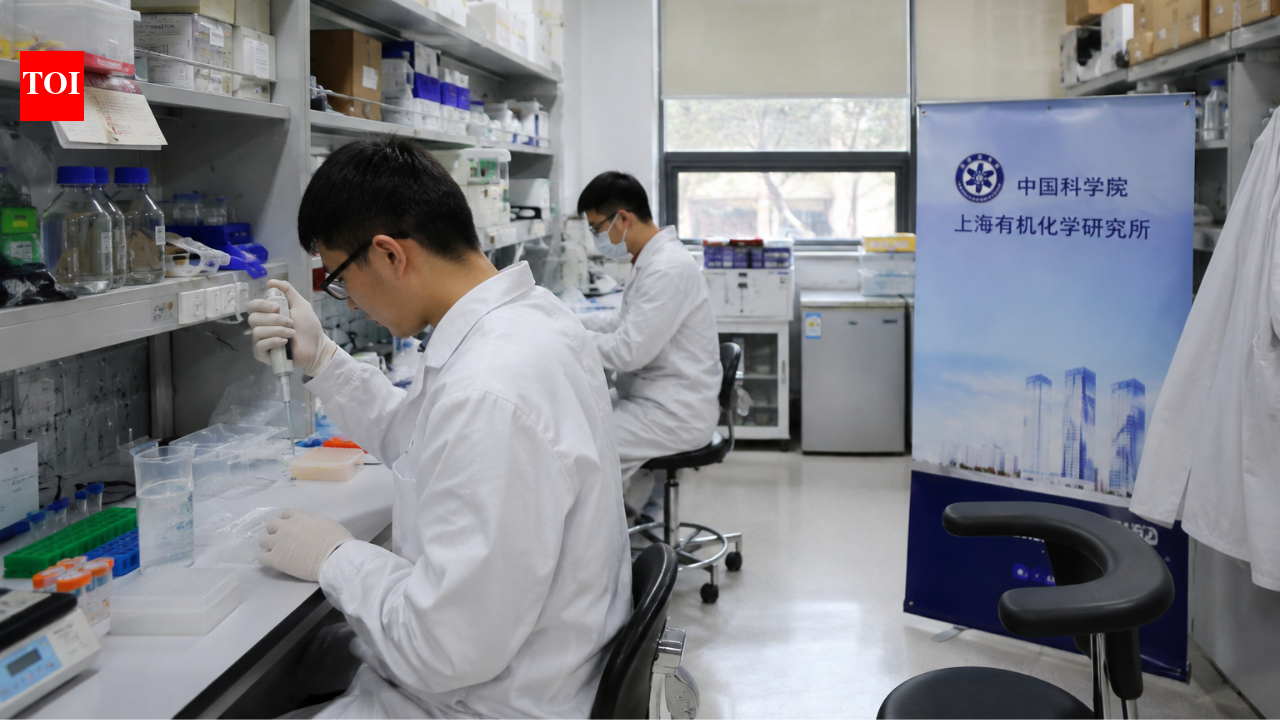
Chinese researchers have unveiled a breakthrough experimental therapy that could one day protect humans from the deadly effects of nuclear radiation exposure. The study, published in the journal Cell Death and Differentiation, showed that mice exposed to harmful levels of ionising radiation survived at dramatically higher rates after scientists disabled a key protein pathway linked to radiation-triggered cell death. Researchers believe the findings could eventually lead to treatments for victims of nuclear fallout as well as cancer patients undergoing high-dose radiotherapy. While the therapy remains in the early experimental stage and has not yet been tested in humans, scientists say the discovery opens a promising new direction in radiation protection research.
How the ‘nuclear shield’ works
Exposure to high doses of ionising radiation can severely damage DNA and disrupt the body’s ability to repair cells. In cases of nuclear fallout or intense radiation therapy, the damage can trigger widespread cell death and weaken the immune system.One of the most dangerous consequences is gastrointestinal syndrome, or GIS. The condition causes the breakdown of the intestinal lining, making it difficult for the body to absorb nutrients and fight infections. GIS has long been considered one of the deadliest effects of acute radiation exposure, and there are currently very limited treatments available to prevent it.Scientists have warned that in the event of a nuclear conflict, radiation fallout could continue harming populations long after the initial explosion, potentially causing large numbers of deaths through long-term radiation sickness.The Chinese study focused on a biological pathway called “stimulator of interferon genes”, commonly known as Sting. The protein plays a major role in how cells respond to DNA damage caused by radiation exposure.Researchers discovered that Sting also promotes cell death after severe radiation injury. To test its role, scientists genetically disabled the protein in mice before exposing them to dangerous radiation levels.The results were striking. Mice with the Sting pathway disabled showed survival rates of around 67 per cent compared to just 11 per cent in normal mice exposed to the same radiation levels.Scientists also observed significantly lower levels of tissue damage in the intestines of the treated mice.
How the therapy protected the intestines
The researchers paid close attention to villi, the tiny hair-like structures inside the intestines that absorb nutrients from food. Radiation exposure often destroys these structures, leading to severe digestive complications and life-threatening illness.In mice with the Sting pathway disabled, the villi remained far healthier after radiation exposure. According to the study, the structures were roughly 2.3 times taller than those in untreated mice, suggesting the intestines were resisting radiation damage more effectively.The study also found that overall cell death rates dropped sharply from about 45 per cent in normal mice to around 12 per cent in mice lacking the Sting response.
Potential implications for cancer treatment
Beyond nuclear emergencies, the discovery may also have important implications for cancer care. Patients receiving high-dose radiotherapy for abdominal or pelvic tumours often experience severe intestinal side effects because radiation damages healthy tissue alongside cancer cells.Researchers believe therapies targeting the Sting pathway could help protect healthy organs during treatment while potentially improving the effectiveness of radiotherapy itself.Study lead author Sun Yirong told China Science Daily that therapies based on the discovery had shown “great potential” for protecting against radiation injury and enhancing cancer treatment outcomes.
A promising discovery still far from human use
Although the findings have generated excitement, scientists caution that the research remains at an early stage. The experiments were conducted only in mice, and much more testing will be required before any therapy could be considered safe or effective for humans.Future studies will need to determine whether similar protective effects can be achieved in people without causing dangerous side effects or interfering with normal immune system functions.Even so, researchers say the study represents a major advance in understanding how radiation damages the body and how those effects might one day be reduced.

