


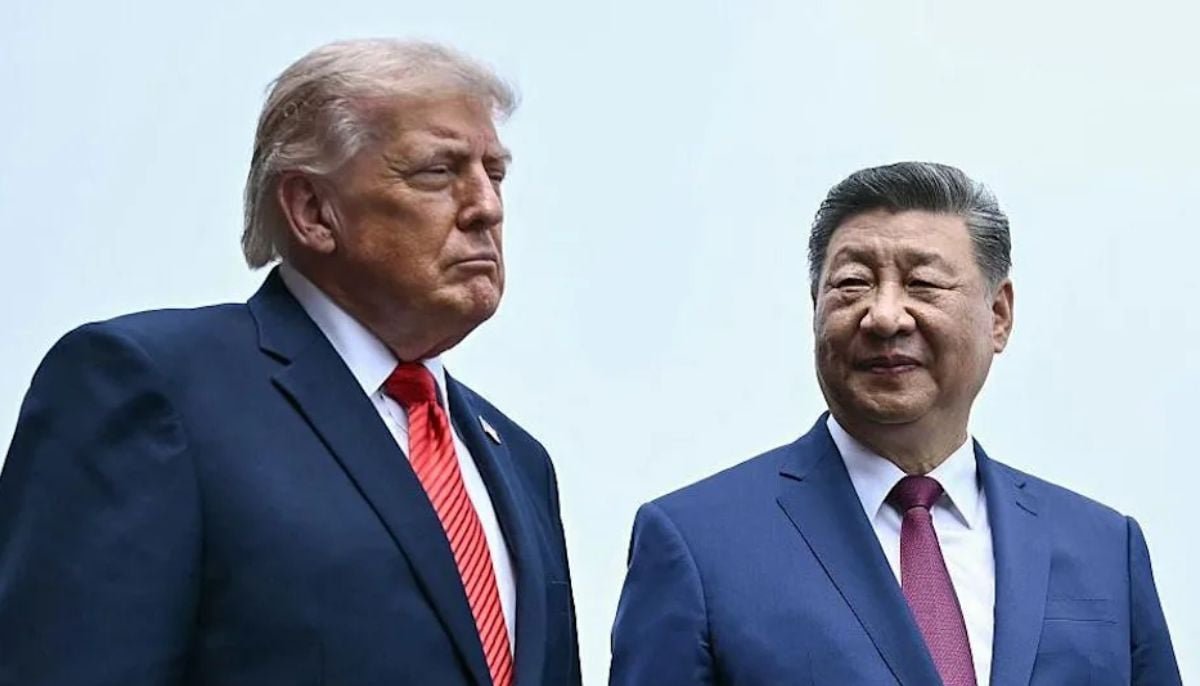
President Donald Trump and Chinese President Xi Jinping concluded a major summit in Beijing. While Trump praised it as potentially “the biggest summit ever” and spoke of “fantastic trade deals,” observers noted the event was defined more by elaborate fanfare and warm rhetoric than sweeping, concrete breakthroughs.
Trump was accompanied by a high-profile business delegation. Prominently, Tesla’s Elon Musk and Nvidia’s Jensen Huang stayed close to Trump, signaling the central role that electric vehicles, artificial intelligence and semiconductor access now play in US-China relations.
In a Fox News interview, Trump revealed that China agreed to purchase 200 Boeing jets-marking the first major order of US commercial aircraft in nearly a decade.
However, because the order fell short of market expectations, Boeing shares dropped over 4%. There are still questions over the trade truce agreed in October, which saw Washington suspend tariff increases on Chinese goods while Beijing eased back from restricting rare earth exports.
To manage the economic relationship and prevent constant friction, both leaders agreed to establish a “Board of Trade.”
This mechanism aims to handle disputes without continuously reopening tense tariff negotiations. Elon Musk and Nvidia CEO Jensen Huang accompanied President Trump to China, stepping off the plane ahead of senior US officials and staying close to Trump during the welcome ceremony.
Their high-profile presence underscores how central electric vehicles, artificial intelligence (AI), and semiconductor access have become to the US-China economic relationship.
Both companies are heavily tied to the Chinese market-Tesla relies deeply on its Shanghai gigafactory and local consumers, while Nvidia is navigating strict US export controls on advanced chips amid the global AI race.
Jensen Huang’s last-minute inclusion-as he was not on the original delegation list-fueled widespread speculation that AI and microchip access took center stage during the negotiations. Following these meetings, Trump stated that “China is going to invest hundreds of billions of dollars with those people,” though he did not provide any specific details about the claim.
“The Taiwan question is the most important issue in China-US relations,” Xi warned during the talks, according to Chinese state media.
“If mishandled, the two nations could collide or even come into conflict,” he said.
US export controls on advanced semiconductors and chipmaking equipment remain firmly in place to limit China’s frontier AI capabilities.
While Beijing continues to push for access and criticize these constraints, US Trade Representative Jamieson Greer noted that these controls were not a major topic of discussion at the talks.
Although AI was missing from day-one readouts, US Treasury Secretary Scott Bessent confirmed that delegations are discussing AI guardrails.
He emphasized the “utmost importance” of the US maintaining its AI lead while balancing high innovation with maximum safety.
Aligning with these discussions, the Chinese foreign ministry issued a statement calling for a “comprehensive and lasting ceasefire,” and urged that crucial international shipping lanes be reopened immediately.
To keep the momentum going, Trump invited Xi to a White House summit in September 2026. This sets the stage for ongoing negotiations aimed at securing the major, structural trade breakthroughs that eluded both sides during this Beijing visit.

