


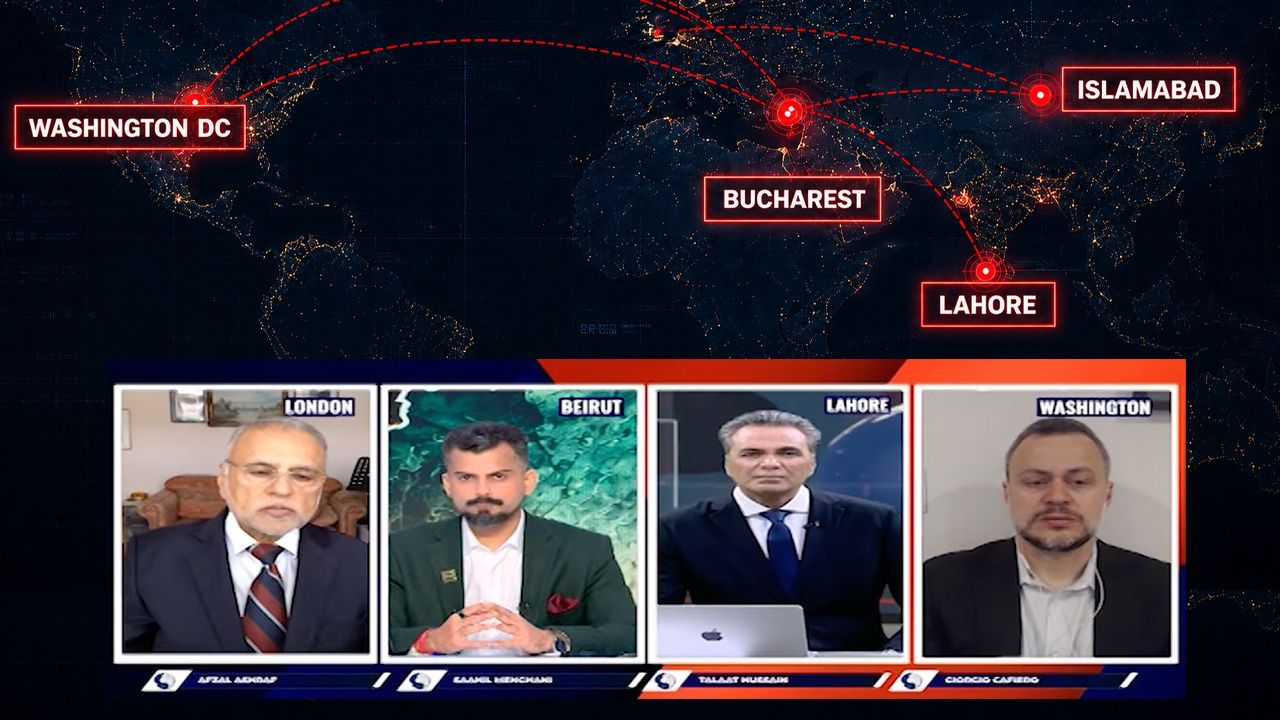
For a long time, Pakistani news television has been shaped by domestic politics, breaking news cycles, and heated studio debates. This is understandable to some extent. Pakistan has a fast moving political environment and a public that follows national politics closely. Channels respond to what gets attention. The result, however, is that television space for serious international affairs has remained limited.
This was becoming increasingly evident recently. The developments that took place outside Pakistan were having a greater impact on it, in terms of their nature and frequency. The situation in Gaza, Iran-Israel tensions, the resurgence of the Taliban in Afghanistan, escalation between India and Pakistan, misinformation campaigns in times of conflict, and energy vulnerability are now part of Pakistan’s security environment, its economy, and its foreign policy discourse. But most of the discussion regarding these developments is compartmentalised by the media.
This is why an initiative like Red Line Global feels timely. The idea is simple, yet important: global disorder should be explained through connected conversations, not scattered headlines. What makes this effort relevant is the changing nature of conflict itself. Wars today are no longer limited to battlefields. They are shaped by information flows, digital propaganda, diplomatic pressure, economic leverage, public opinion, and international media framing.
The recent India-Pakistan conflict showed this clearly. Alongside military developments, there was a parallel battle of narratives, misinformation, and global perception. Pakistani television needed a format that could unpack such complexity with more discipline.
A program like this would need anchors and experts capable of leading conversations at the international and regional levels without reducing the discussion to routine politics. Anchor names such as Talat Hussain and Saahil Menghani in a host capacity ensure there’s substance at a journalistic level. This would enable connecting different topics such as military, diplomacy, media, and geopolitics without simplifying issues.
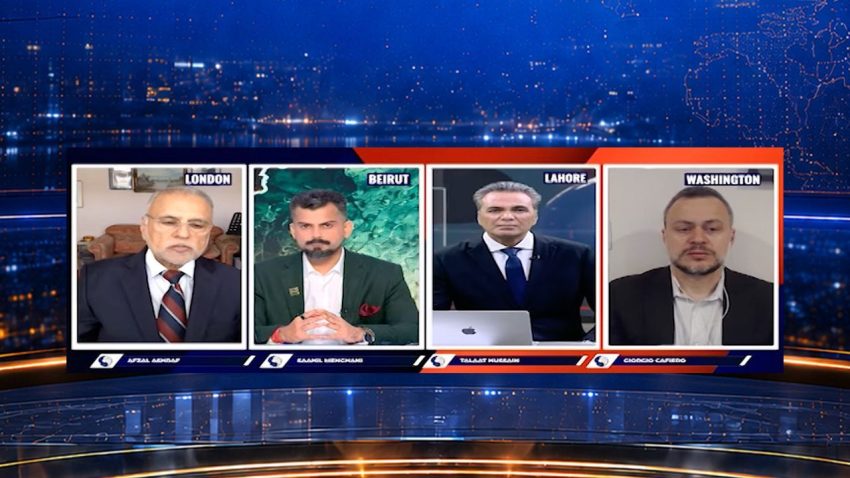
Participation from International guests is just as important. Pakistanis are mostly exposed to problems through Pakistani analysts, and the narrative can become somewhat predictable. But to hear what people from Washington, Beirut, Riyadh, London, Beijing, etc., have to say about global crises helps listeners get a variety of angles about issues. This also gives Pakistan a chance to raise its problems within an international forum.
For years, Pakistan has often been discussed internationally through security, crisis, or instability frames. A programme like this gives Pakistani media the chance to host the conversation rather than only respond to it. That is a meaningful shift. It shows that Pakistan can produce serious international affairs programming with regional relevance and global participation.
At its best, Red Line Global can help Pakistani viewers understand why global conflicts matter at home. It can also help position Pakistani television as a credible space for international analysis. That need has been growing for years. This initiative responds to it at the right time.

