


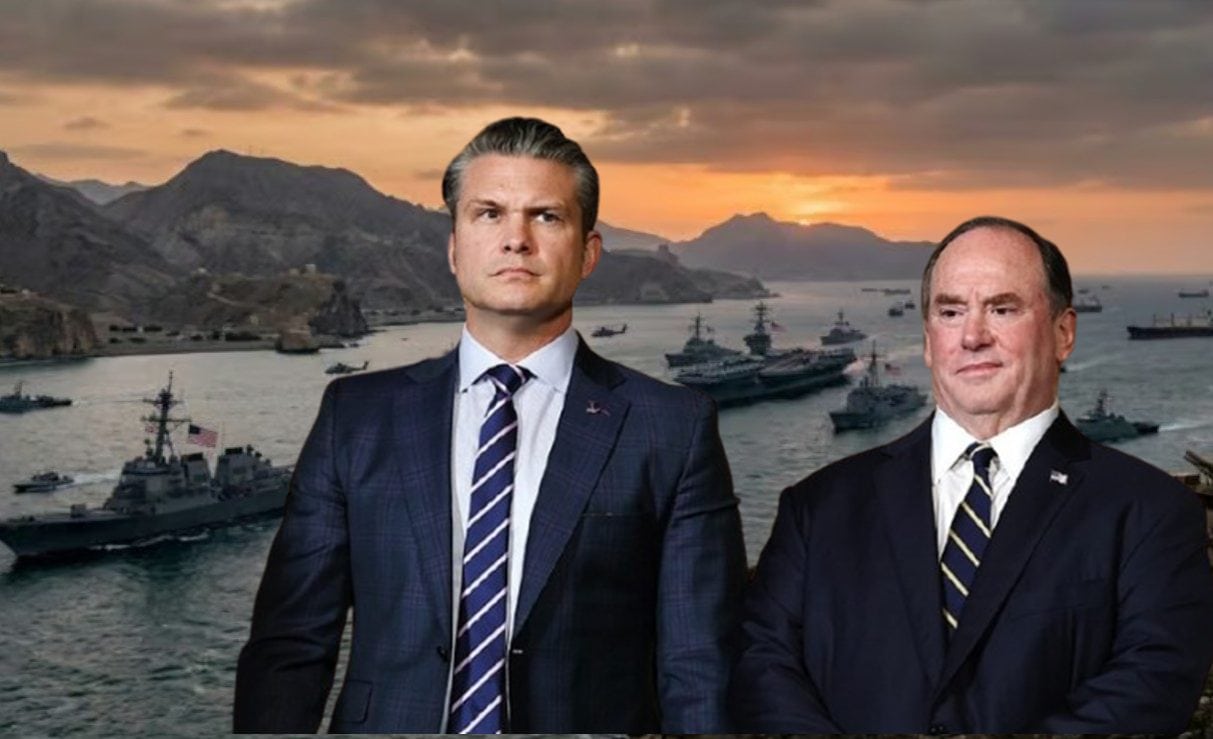
WASHINGTON – US Navy Secretary John Phelan has been removed from his position in the Trump administration, Pentagon confirmed, amid shake-up in top US military leadership.
It was reported that US Defense Secretary Pete Hegseth allegedly ousted Navy Secretary John Phelan in dramatic and high-profile leadership shake-up inside the Pentagon.
The removal comes at highly sensitive moment during the Navy’s biggest annual conference of the year and just one day after Pentagon unveiled massive $65.8 billion shipbuilding budget. At the same time, more than a dozen US warships are actively deployed in operations linked to a blockade near Iranian ports, intensifying scrutiny over the timing of the decision.
Tensions had been building for months behind closed doors. Phelan is said to have maintained unusually direct access to former President Donald Trump, including regular meetings at Mar-a-Lago and even late-night communications focused on naval strategy and shipbuilding priorities.
Sources familiar with development claimed Phelan independently pitched modern battleship program directly to US President Donald Trump last year, bypassing Hegseth entirely. That move is believed to have escalated internal friction at the top of the Pentagon hierarchy.
In response, Hegseth reportedly moved to reassert control over naval procurement by creating a new submarine acquisition “czar” role, shifting authority away from traditional Navy command structures and placing it under Deputy Secretary Stephen Feinberg. The restructuring is being viewed by insiders as a gradual tightening of control that ultimately culminated in Phelan’s removal.
Phelan is now the latest in a series of senior military figures pushed out under Hegseth’s leadership, including Army Chief of Staff Randy George.
Taking over in an acting capacity is Navy veteran Hung Cao, a former Virginia Senate candidate.
The timing of the firing, during a live naval deployment and amid escalating geopolitical pressure, fueled widespread attention, as such abrupt top-level changes during active operations are highly unusual in the US military system

