


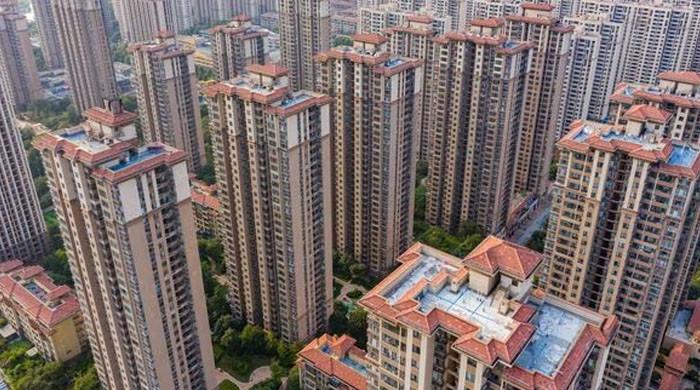
After a lacklustre post-COVID recovery, Beijing is faced with a difficult decision for 2024 and beyond: increase debt or decrease growth. This has cast serious doubt on the basis of China’s decades of remarkable growth.
It was anticipated that after China abandoned its harsh COVID regulations, foreign investment would return, manufacturers would increase production, and land auctions and residential sales would level out.
Rather, Chinese consumers are stockpiling money for rainy days, foreign companies withdrew their investments, manufacturers faced declining Western demand, local government finances faltered, and real estate developers experienced defaults.
Some economists have even drawn comparisons between Japan’s bubble and its “lost decades” of stagnation before the 1990s, indicating that the downturned expectations have partially validated the doubts held by those who have consistently questioned China’s growth model.
China sceptics contend that Beijing should have moved the economy a decade ago, from construction-led boom to consumption-driven growth, but it did not. From that point on, debt has grown faster than the economy and is now too high for real estate companies and local governments to service.

