


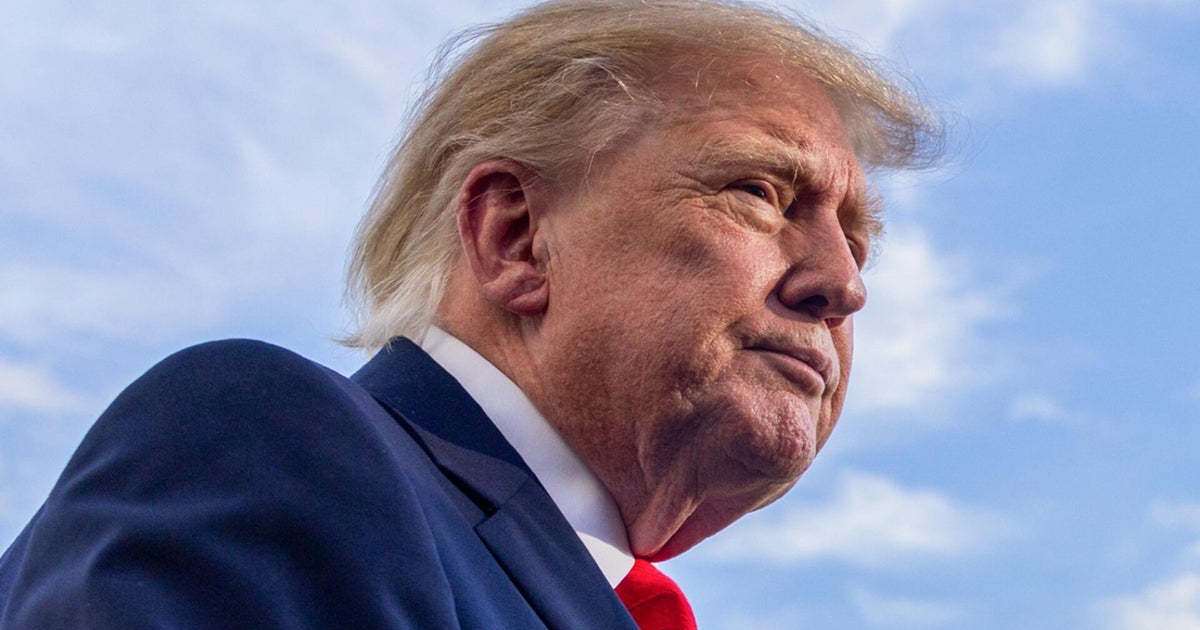
President Trump said his administration will provide $8 billion in aid to farmers hurt by record diesel prices.
“Tonight I’m also pleased to announce that the Department of Agriculture will be launching a new Harvest Fuel Relief program, providing our farmers with $8 billion in support to offset diesel costs during this harvest season,” Mr. Trump said at a rally in Kansas Monday night.
“When Republicans win, we will pass even more funding for our farmers. We love our farmers,” he added.
Earlier this month, Mr. Trump also signed an executive order to ease limits on the tax-free use of red-dyed diesel, a move aimed at lowering costs for farmers and truckers. That came after a $12 billion aid package for farmers announced by the Trump administration in December.
Farmers have faced financial pressures from soaring prices for diesel, which is used to run agricultural machinery. Diesel reached a record of $6.53 a gallon on Sept. 22, although it’s eased slightly since then, with average U.S. prices now at $6.32 a gallon, up from $3.62 a year ago, according to AAA data.
“This $8 billion investment will help bring certainty to our farmers during this harvest so they can continue to feed our nation,” U.S. Department of Agriculture Secretary Brooke Rollins said in a statement.
The USDA said the plan, called the Harvest Fuel Relief program, will pay farmers to cover part of their estimated losses for the 2026 crop year, using a standard formula. The calculation will use planted acreage reported to the Farm Service Agency, estimated production costs and crop yields and prices from the USDA’s World Agricultural Supply and Demand Estimates report.
The agency said it will announce payment rates for major commodity crops in November, with details for other eligible products to follow. Farmers won’t need crop insurance to qualify and can prepare to apply by creating a Login.gov account linked to USDA.
The USDA estimates that net farm income will drop 2.6% this year as production costs rise 4.5%. Fuel and oil expenses alone are expected to jump nearly 30%, according to a September forecast by the agency.

