



NEWYou can now listen to Fox News articles!
Not all stages of sleep are equal in terms of benefits for the brain.
Greater amounts of rapid eye movement (REM) sleep were associated with lower risks of 83 diseases, including dementia, Parkinson’s disease and heart failure, new research has shown.
Additionally, greater amounts of deep sleep were associated with lower risks of seven conditions.
THIS ONE QUESTION MAY REVEAL WHETHER YOUR BODY IS GETTING THE REST IT NEEDS, STUDY FINDS
That’s according to a study of 95,559 adults who wore wrist accelerometers continuously for seven consecutive days and nights. Researchers in China used deep-learning algorithms to analyze REM sleep, deep sleep, light sleep, total sleep duration, wakefulness after sleep onset and sleep irregularity.
They then looked at health records to assess associations with more than 1,000 diseases over a nearly nine-year follow-up period.
Greater amounts of rapid eye movement (REM) sleep were associated with lower risks of 83 diseases, including dementia, Parkinson’s disease and heart failure, new research has shown. (iStock)
Greater REM sleep was associated with a significantly lower risk of several diseases, including Parkinson’s (80% lower relative risk), dementia (46% lower risk) and heart failure (26% lower risk).
Greater deep sleep was associated with lower risks of seven conditions, including Type 2 diabetes and major depressive disorder.
MORE NAPS, HIGHER RISK? RESEARCH LINKS DAYTIME SLEEP TO HEALTH WARNINGS IN AGING ADULTS
Sleep duration was also found to be highly linked to disease outcome. Six to eight hours per night was found to be the “sweet spot” associated with the lowest risk for 69 diseases. In contrast, sleeping fewer than five hours per night was linked to an increased risk of 37 health conditions.
The study also found that greater night-to-night sleep irregularity and more wakefulness during the night were associated with higher risks of several conditions, including anxiety and substance use disorders.
The findings were published Sept. 17 in the journal PLOS Medicine.
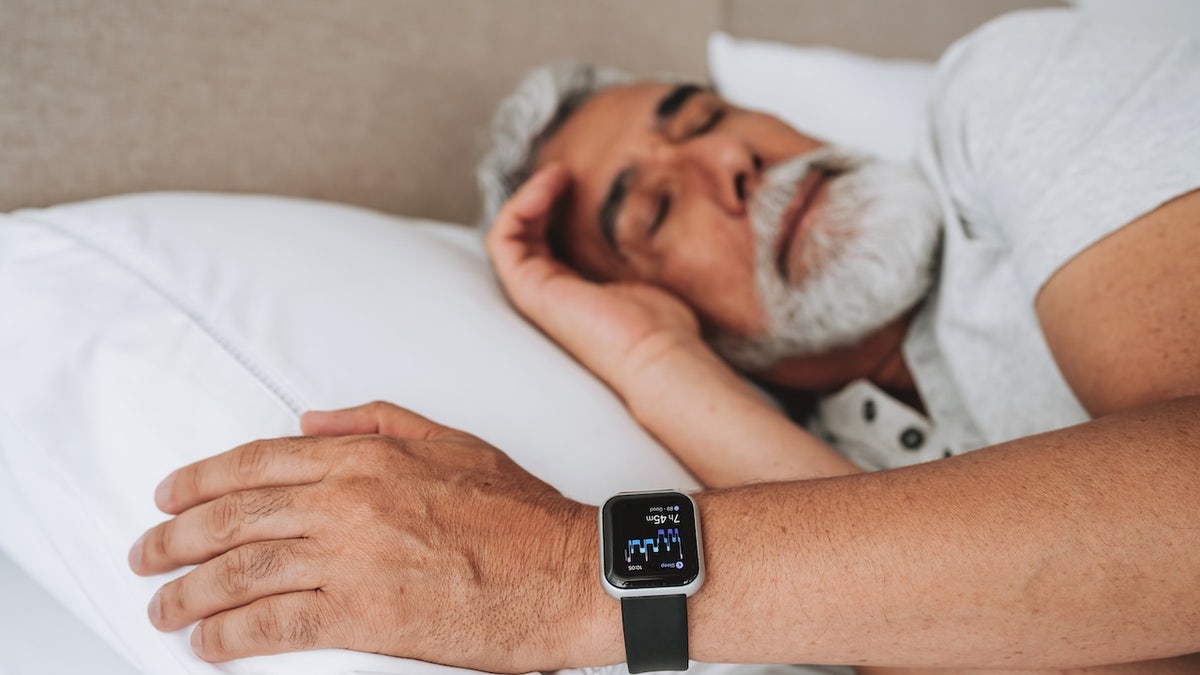
Disrupted sleep may sometimes be an early warning sign of disease rather than simply a cause, a sleep expert noted. (iStock)
“I think what is important is the total duration of sleep, and the percentage that REM takes up,” Oki Ishikawa, M.D., pulmonary, critical care and sleep medicine expert at Northwell’s Northern Westchester Hospital, told Fox News Digital.
“The average percentage of REM sleep in this study population was about 20%, and generally 20-25% is considered normal per sleep cycle.”
5-STEP SLEEP RESET COULD PROMOTE HEALTHY WEIGHT LOSS, NUTRITIONIST SAYS
Ishikawa, who was not involved in the study, said he does not believe that a higher amount of REM sleep alone will necessarily lower the risk.
“Normal sleep pattern and duration are associated with aspects like maintenance of good immune function and memory, so I think the important message here is to try and get a sufficient amount of sleep in general,” Ishikawa sai.
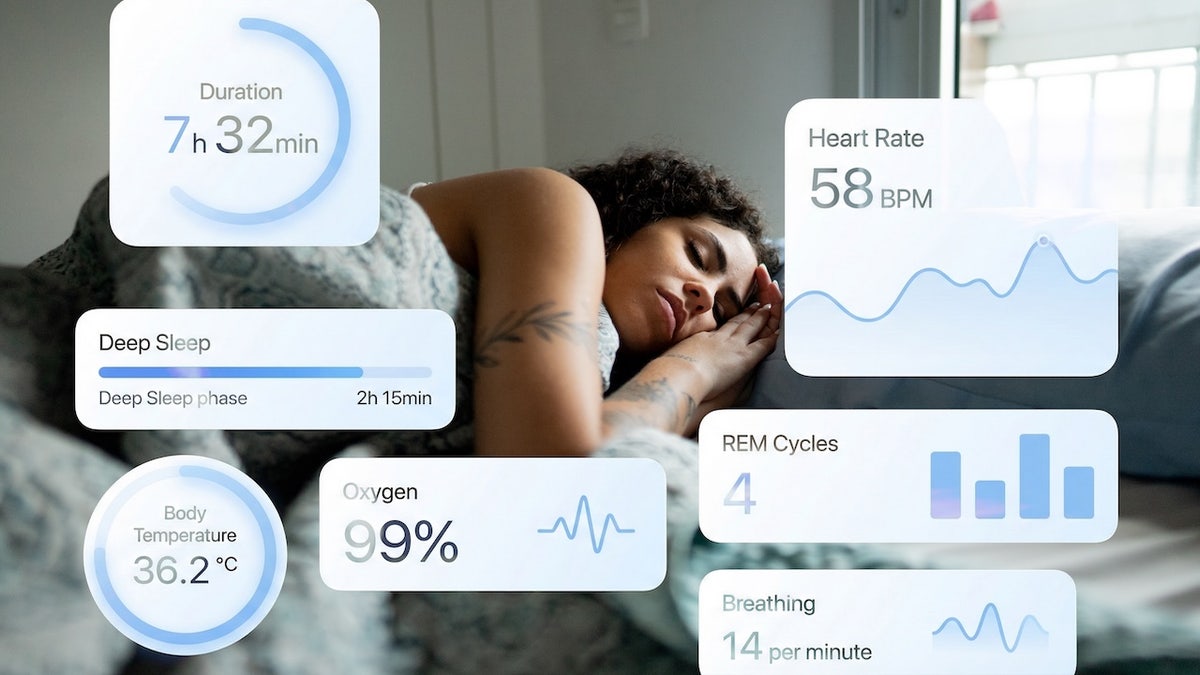
Researchers used deep-learning algorithms to analyze REM sleep, deep sleep, light sleep, total sleep duration, wakefulness after sleep onset and sleep irregularity. (iStock)
Disrupted sleep may sometimes be an early warning sign of disease rather than simply a cause, according to Dr. Chelsie Rohrscheib, head sleep expert at Wesper, a sleep analysis company in New York.
“Conditions such as Parkinson’s disease, dementia and heart failure can begin affecting sleep years before they are diagnosed,” Rohrscheib, who also was not involved in the research, told Fox News Digital.
“At the same time, poor sleep may contribute to disease progression, so the relationship likely works both ways.”
DIETITIAN REVEALS SIMPLE EATING STRATEGY FOR BETTER SLEEP — AND ONE HABIT TO AVOID
The researchers noted some limitations of the study. Because it was observational, it could only show an association and could not prove that increasing REM or deep sleep directly prevents disease.
“Sleep was measured for only one week using a wrist device, which is less accurate than a clinical sleep study for identifying sleep stages,” Rohrscheib said.

“Poor sleep may contribute to disease progression, so the relationship likely works both ways,” an expert said. (iStock)
“Some health information was collected years earlier, medications that can affect sleep were not fully considered and some medical diagnoses may have been missed.”
As the participants were all from the UK Biobank, the study population was also less diverse and generally healthier than the overall population, so the findings may not apply equally to everyone, Rohrscheib noted.
CLICK HERE FOR MORE HEALTH STORIES
“Overall, changes in sleep may provide important clues about underlying health, but this study cannot determine whether poor sleep is a cause, an early symptom or both,” she concluded.
Rohrscheib also cautioned that while wrist-worn sleep trackers are generally good at estimating sleep stages, they are not 100% accurate.
CLICK HERE TO SIGN UP FOR OUR HEALTH NEWSLETTER
“Without a formal in-lab sleep study, it’s impossible to know how much time the participants spent in REM and other sleep stages,” she said.
More research is needed to determine whether increasing REM or deep sleep can help prevent certain diseases, the researchers said.
“If you get about seven to nine hours of uninterrupted sleep, you most likely have the opportunity to cycle through REM in a sufficient way.”
Future studies could also explore whether the relationship between sleep stages and disease risk varies by age, sex, overall health and other individual characteristics.
Both experts recommended following general sleep hygiene practices, such as maintaining an optimal environment (dark, cool and quiet), keeping a consistent sleep schedule and avoiding sleep-disrupting substances such as alcohol and caffeine.
CLICK HERE TO DOWNLOAD THE FOX NEWS APP
“If you have other sleep pathologies like sleep apnea … treating that would be a great way to optimize the amount of REM sleep,” Ishikawa advised.
TEST YOURSELF WITH OUR LATEST LIFESTYLE QUIZ
While it can be difficult to measure REM sleep without a wearable, he said the best gauge is whether one feels refreshed upon waking and doesn’t feel sleepy during the day.
“If you get about seven to nine hours of uninterrupted sleep, you most likely have the opportunity to cycle through REM in a sufficient way.”

