


Bangladesh’s 2024 student-led uprising was fuelled by a demand that coveted government jobs be awarded on merit, not through quotas.
The movement succeeded. The government was overthrown, and the quota system was largely scrapped — but the reform has had unintended consequences.
Women are securing a shrinking share of public sector jobs in the nation of 170 million people.
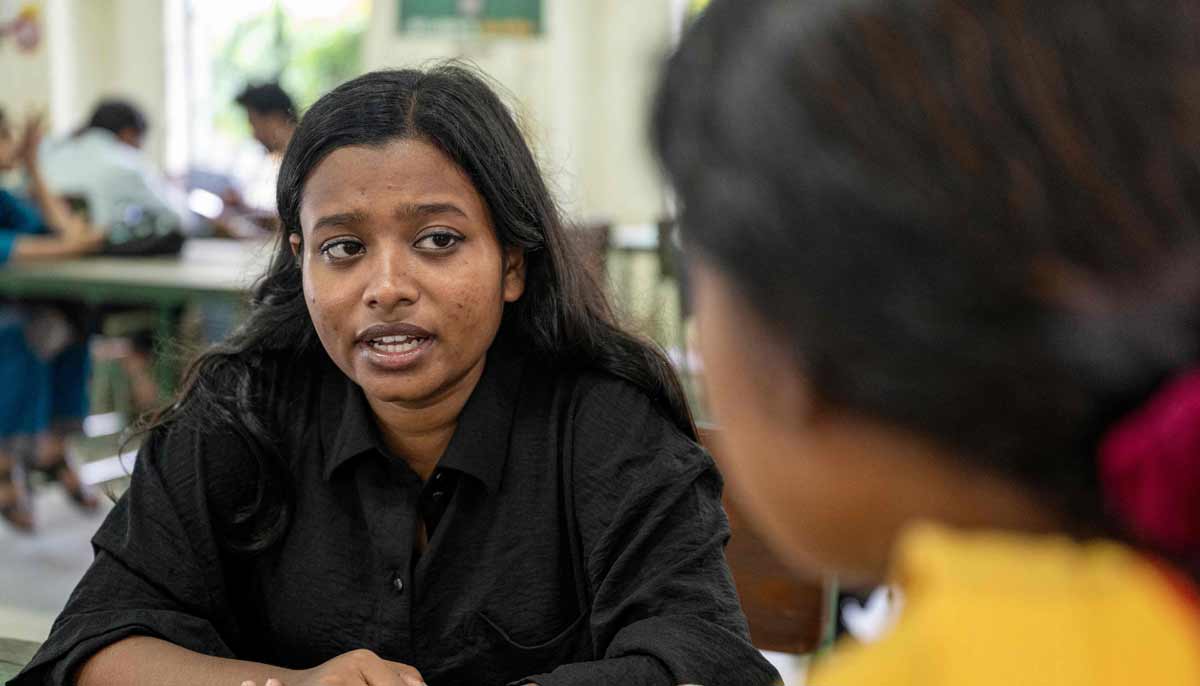
Tothapi Azad, a 25-year-old Dhaka University graduate, supported calls to end quotas — but says she should have supported retaining them for women.
“For me, who had my family’s support, a quota might not have been essential — but for an average woman, it was essential,” she told AFP.
“A job is a tool for women’s empowerment. For rural women, it is more than that — a survival tactic, a shield to resist domestic violence.”
Data shows that the share of female government recruits has fallen since quotas were cut, shrinking an already limited number of civil service roles held by women.
‘Uncomfortable’
Until 2018, quotas accounted for 56% of Class I posts, the top-ranking civil service and public sector jobs.
That included 10% for women, as well as 30% for descendants of those who fought in the 1971 war.
Another 16% was reserved for underprivileged regions and people with disabilities.
In 2018, after student protests, the then prime minister Sheikh Hasina scrapped quotas.
In 2024, it was proposed to reinstate quotas, sparking student protests. That escalated into a mass uprising, and Hasina was overthrown.
Today, 93% are filled on merit. 7% are for those related to fighters of the 1971 war and other smaller groups, and there is no quota for women.
The Bangladesh Public Service Commission (BPSC), which runs the recruitment examinations, has around 300,000 applicants each year for 2,500-3,000 Class I jobs.
Before the quota was scrapped in 2018, women accounted for up to 35% of recruits, including both quota and merit-based appointments.
That has dropped to 19%, according to figures from the last exam round.
A BPSC official, who spoke on the condition of anonymity, said the body “finds the outcome uncomfortable”, but that its “duty is limited to conducting the examination”.
AKM Abdul Awal Majumdar, a former bureaucrat, backs merit-based recruitment but advocates coaching to help women compete.
“My female colleagues were unparalleled,” he said.
The government elected in February also backs merit-based recruitment.
Md Abdul Bari, a public administration minister, described it as a “rational reform” in parliament.
But some officials fear the decline in female recruitment will become increasingly visible.
“At this moment, at least 21 women are leading 21 districts,” said a female bureaucrat with 20 years of experience, speaking on condition of anonymity.
“In 10 years’ time, there won’t be this many women in the service.”
‘Can’t continue’
The impact goes beyond the civil service.
Police data shows that only 267 women out of 2,651 candidates qualified as constables this year.
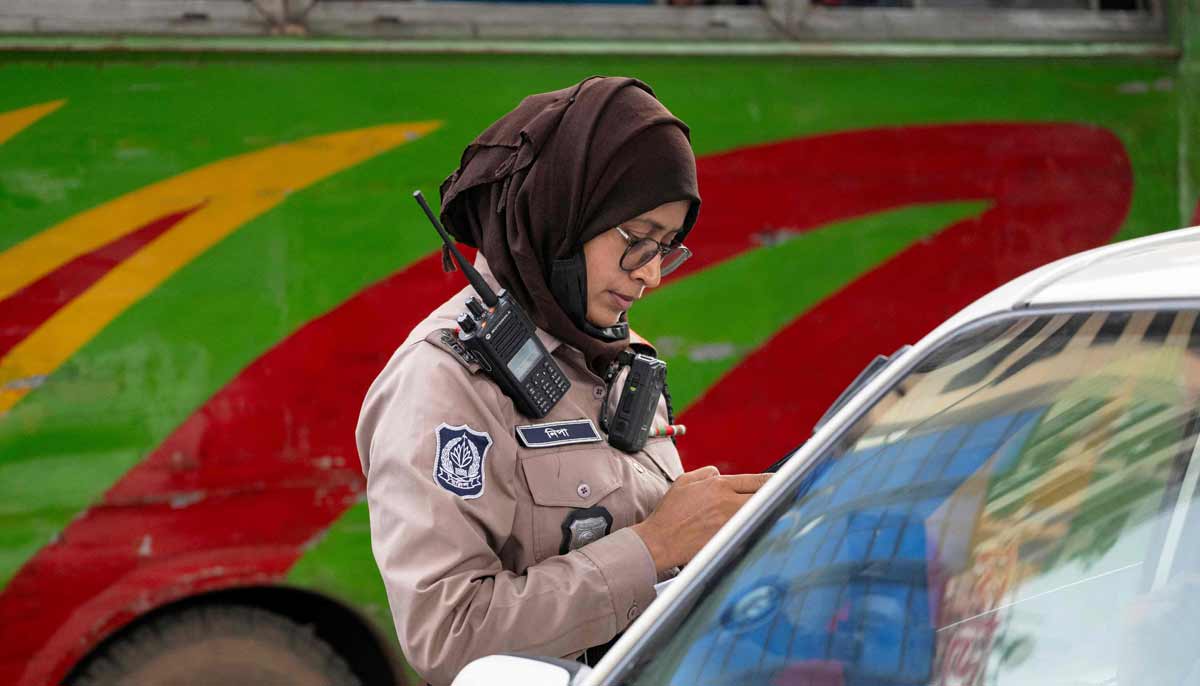
Only six of the 184 candidates who qualified as police sub-inspectors were women. No women qualified as sergeants, compared with 96 men.
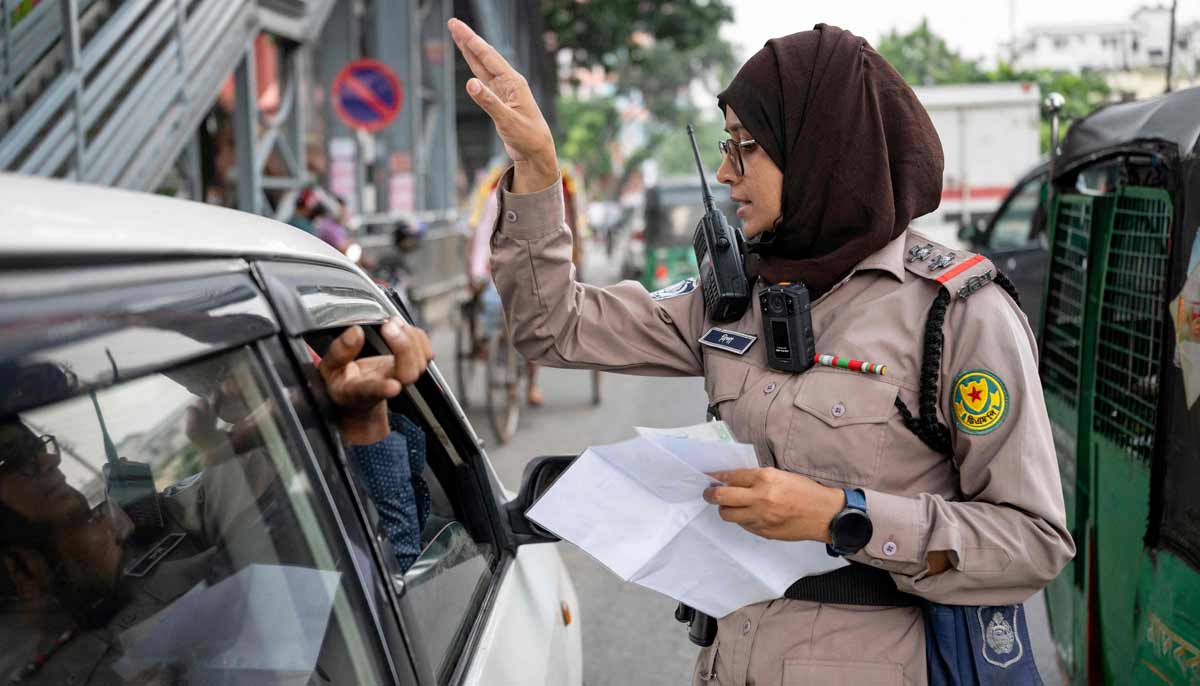
“We can’t continue without them,” a police officer told AFP, noting that every station has dedicated desks for women and children.
Bangladesh previously had 60% quotas for women in primary teaching positions. That has now also ended.
Asif Shahan, a Dhaka University professor of Development Studies, said fewer women in government would impact policymaking.
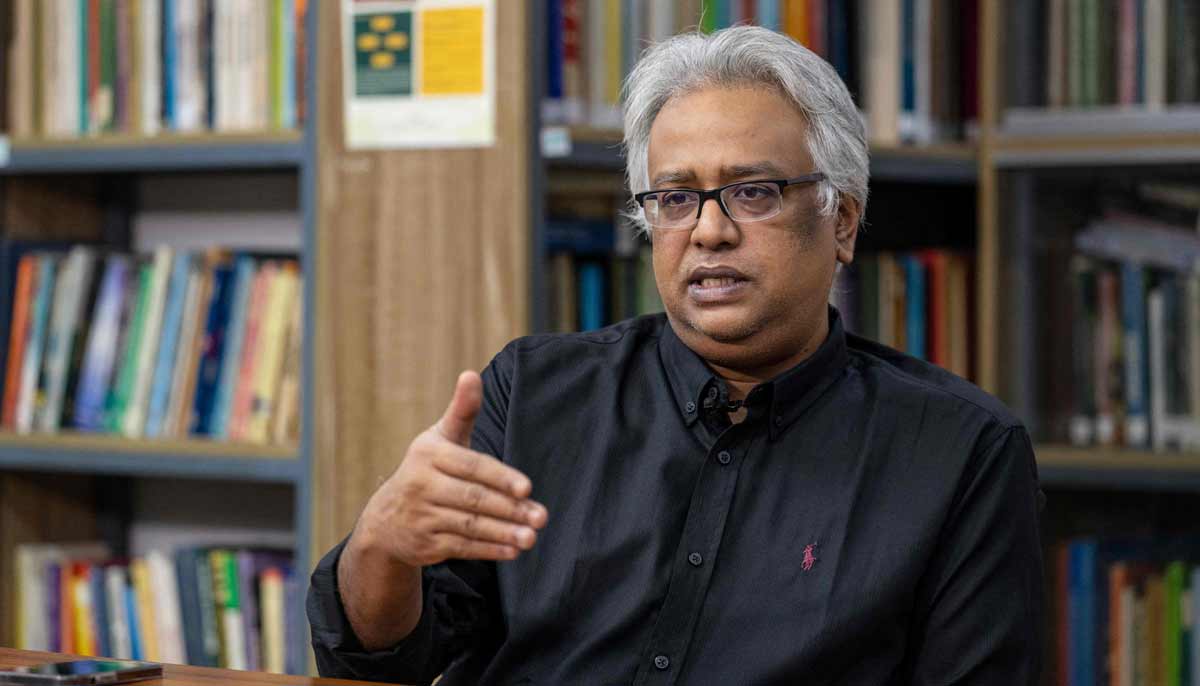
“Their issues get reflected in policy,” he told AFP.
The debate has split students.
Md Mazharul Islam, a Dhaka University students’ union career advisor and a supporter of the Jamaat-e-Islami, backs a merit system.
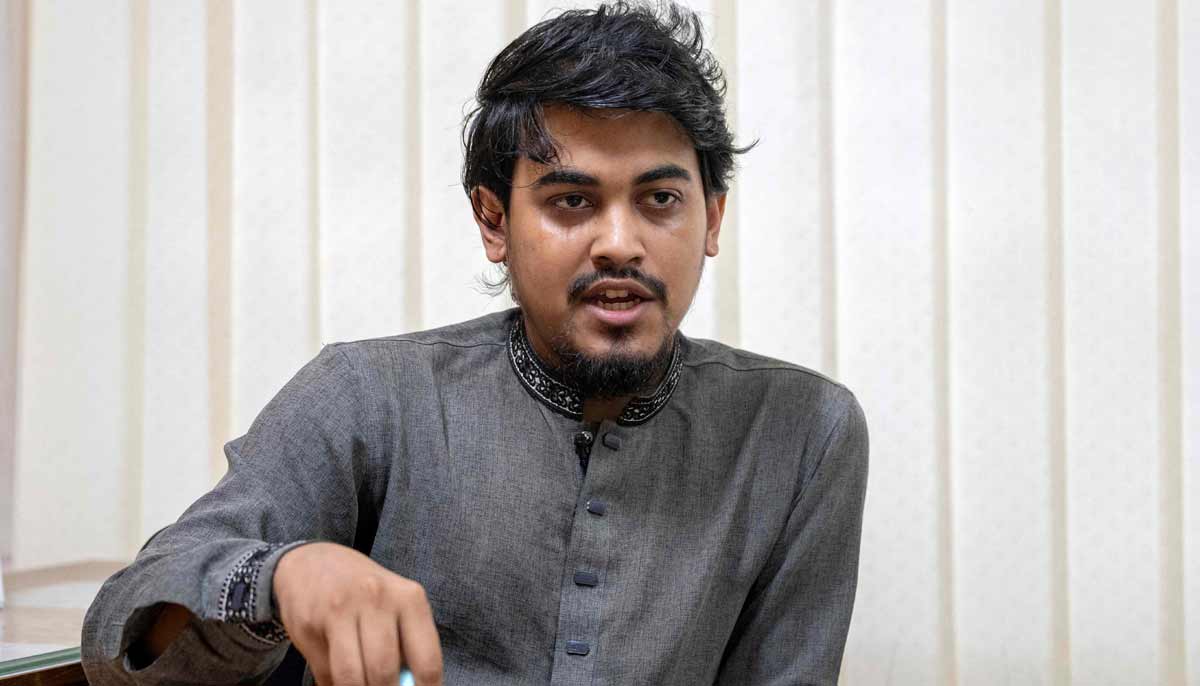
“Society was much more conservative before, and girls were not allowed to pursue higher education,” he said. “That has changed.”
Philosophy student Adity Islam said abolishing the women’s quota was wrong.
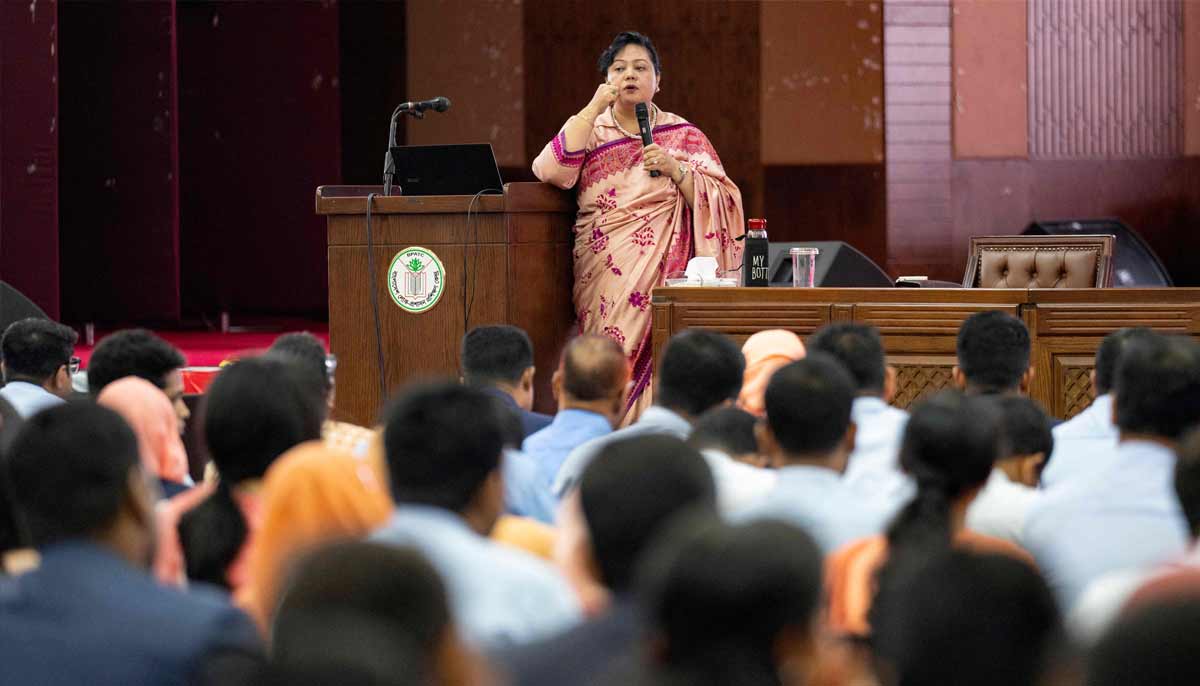
“We measured women across all walks of life with the yardstick of female students at Dhaka University,” said Islam, who is involved in leftist politics.
“Cutting the quota for women would eventually impact the overall governance system. We have already seen that in some districts. So aspiring candidates in many other places will lose hope.”
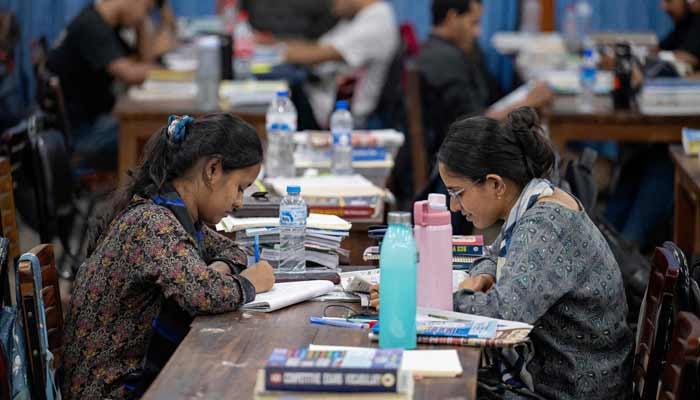
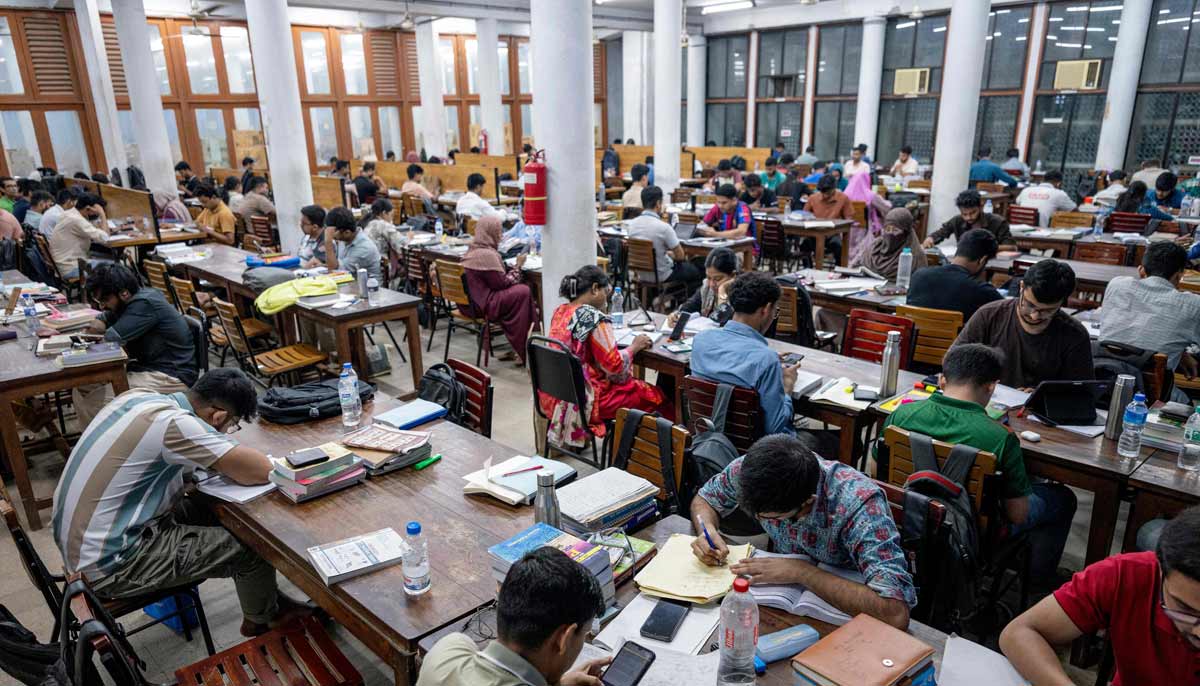
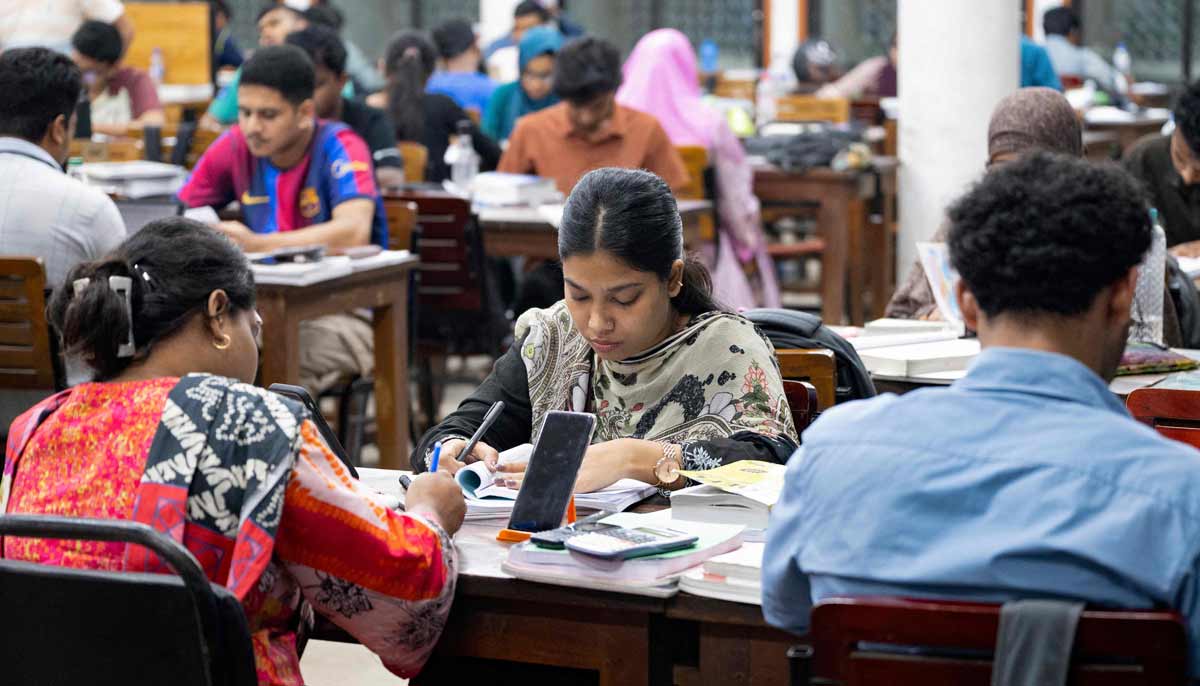
Header Image: This photograph taken on September 7, 2026 shows students studying inside the library at Dhaka University in Dhaka. — AFP

