


“This investigation shows just how quickly and dramatically these bacteria can change,” says Dr Charlene Rodrigues, consultant in Pathogen Genomics at UKHSA.
“The fact this outbreak variant was able to spread to so many young people was due to the social environment, a place where lots of close social mixing takes place.”
Speaking exclusively to the BBC, she said bacteria are known to undergo changes like this, known as horizontal gene transfer.
Such changes can make infections more severe, and may mean they get past the immune system because people haven’t encountered them before.
These events, while rare and unpredictable, could happen again, so experts “should not take their eye off the ball”, she added.
Scientists say speed and severity of the Kent outbreak was very unusual. It was described as “unprecedented” and “explosive” at the time, with so many infections happening in one place and over a very short period.
Two people died – a 21-year-old University of Kent student and Juliette Kenny, a sixth-form pupil at Queen Elizabeth’s Grammar School in Faversham.
The outbreak is thought to have started in a nightclub called Club Chemistry in the city centre, which was popular with university students.
It’s likely one person brought the infection in with them, and then it spread that evening.
Meningitis is passed through close contact – including kissing and sharing drinks or vapes.
Dr Rodrigues suspects the very same genetic changes that made the strain so dangerous may also explain why the outbreak was short-lived and did not continue to spread.
People were generally too sick to be silent carriers who can pass it on unknowingly to others.
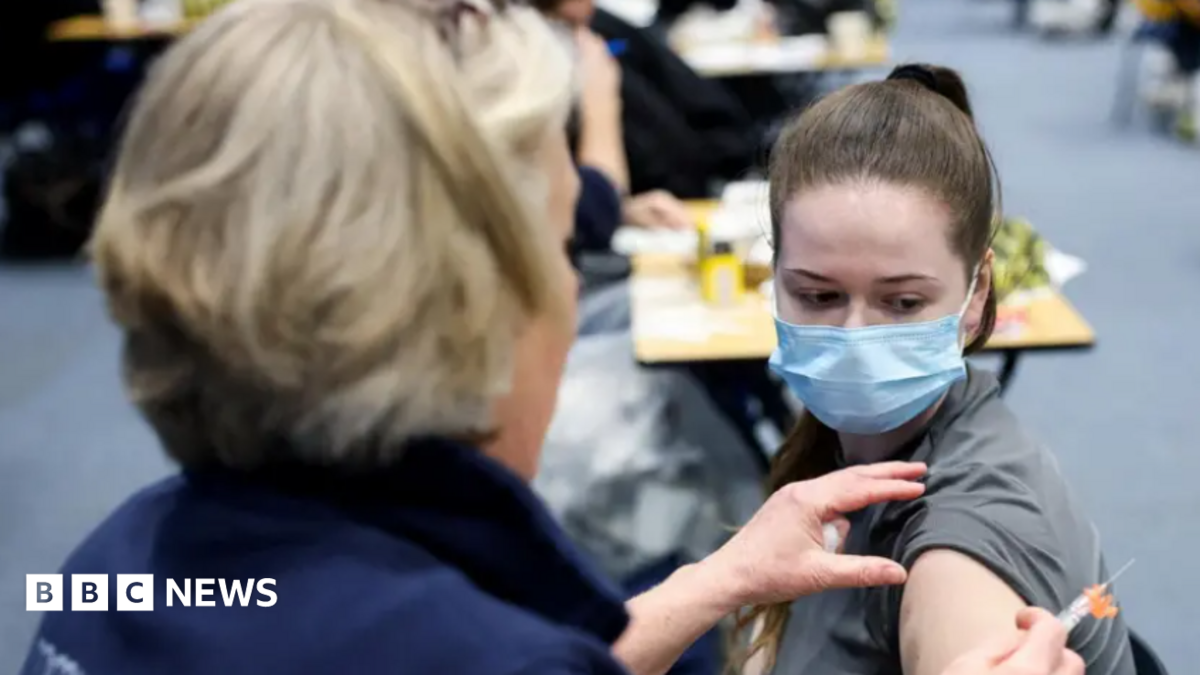
Following the Kent outbreak, a one-off menB vaccination programme was launched to protect young people heading to university this autumn.
In July, the Joint Committee on Vaccination and Immunisation (JCVI) also recommended that teenagers should be offered the jab on the NHS around the age of 15, with catch-up programmes for those who would otherwise miss out.

