


Britain has been planting new woodland on former farmland, but a 25-year study found that these new woods can take much longer to develop like ancient woodland. Researchers studied an old farmland site and found that its soil and plants were still different from those in nearby ancient woodland. The trees had grown, but other parts of the ecosystem changed more slowly. Soil, plants and fungi were still developing after 25 years. The findings show that planting trees is not the only step in creating a mature woodland ecosystem.
Comparison between the newly planted woodland with ancient woodland
The study titled ‘Temporal insights into afforestation: A 25-year study of woodland expansion’ examined how a former farmland changed after trees were planted and compared it with nearby ancient unchanged woodland. The study used records collected between 2001 and 2024.Researchers assessed changes in plant communities and soil, then collected soil samples in 2024 to examine its characteristics and the fungi associated with the woodland. This allowed them to assess changes both above and below the ground.After 25 years, the former farmland had developed into woodland, but its soil and plant communities were still significantly different from those of the ancient woodland.
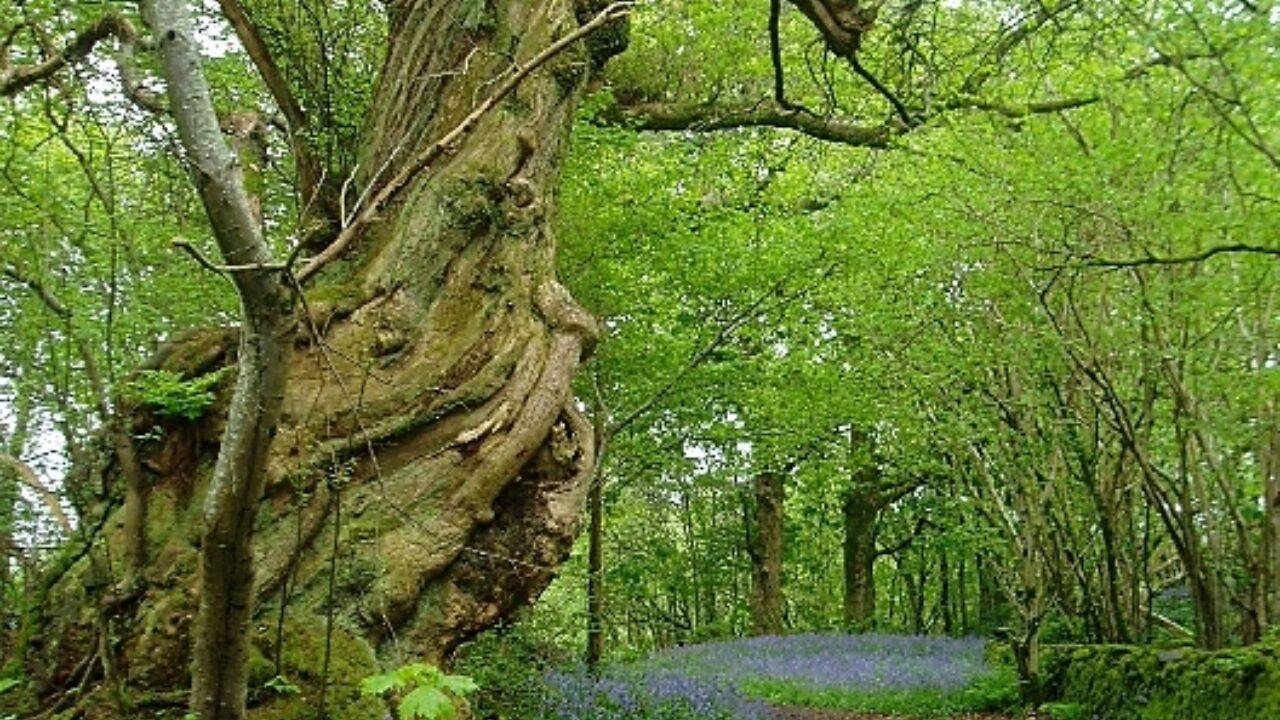
Ancient woodland on Inchmahome island in Scotland. Image Credit: Wikipedia
Qualities of old farmland remained in the soil even after 25 years
The clearest differences appeared in the soil. The new woodland had a higher pH and more available phosphorus, but lower amounts of total nitrogen and total carbon than the ancient woodland.These differences affected how the developing woodland community was structured. The study found that changes in plant diversity were strongly associated with the ratio of carbon to nitrogen in the soil.The findings show that planting trees does not immediately remove the effects of previous land use. Conditions created during years of farming can continue to influence an ecosystem decades after cultivation has stopped.
The plant communities were still developing in the old farmland
The vegetation in the old farmland had also changed considerably, but it had not become similar to the ancient woodland. The researchers found significant differences between the plant communities at the two sites even after 25 years.Light levels and soil conditions helped explain the differences between the two woodlands. Some plants linked to ancient woodland were more common where there was more light and where the site was closer to the edge of the older woodland.The location of the new woodland was also important. Plants from nearby ancient woodland may spread more easily into new woods when the two areas are close. New woods that are far from older woodland may take longer to develop these plant species.
What did the researchers find below the ground
The study also examined ectomycorrhizal fungi, which live closely with tree roots. These fungi form an important part of woodland ecosystems and can influence how trees obtain nutrients from the soil.Fungal communities in the old farmland were significantly different from those in the ancient woodland. Greater fungal richness was associated with higher soil pH and greater tree species richness.This showed that the recovery of woodland was not simply a matter of trees becoming established. Different parts of the ecosystem were developing at different rates, producing communities that remained distinct from those in the ancient woodland.
Lessons from the study for future woodland projects
The research has implications for woodland creation where the goal is to develop habitats with characteristics associated with ancient woodland.The study suggests that the distance between new planting and existing ancient woodland should be considered because connectivity may help woodland plants spread into newly created areas. Soil history is also important, as the effects of agricultural use can persist for decades.The study focuses on the importance of time when assessing newly created woodland. A site can look like an established wood once its trees have grown, while the ecological changes in soil, fungi and smaller plants can continue for many more years.That’s why the differences found after 25 years do not mean that the planted woodland had failed. Instead, they demonstrate that different parts of an ecosystem do not recover at the same speed.
