


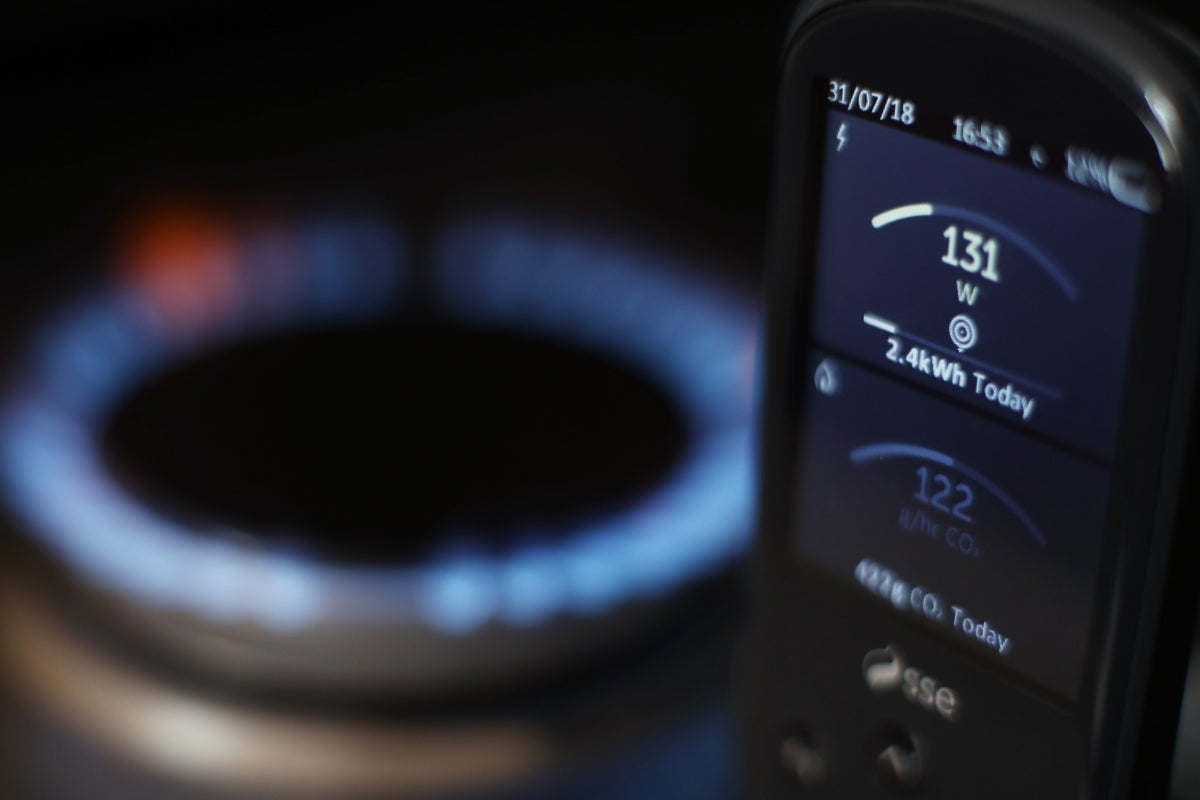
British households face a significant energy bill hike from July, with forecasts predicting a rise of over £200, signalling a painful winter of high costs due to the Iran war.
Ofgem will announce the new energy price cap for July to September on Wednesday, covering typical dual fuel households across Great Britain. Analysts Cornwall Insight last week predicted a £209 increase, raising the cap to £1,850 from July – a 13 per cent jump from April’s £1,641.
The cap sets a maximum unit price, meaning consumers pay for usage. While summer offers some relief, concerns loom for the October review, when energy demand surges as temperatures fall.
Cornwall Insight forecasts the October cap will remain similar to July, due to physical infrastructure damage and lingering disrupted supply, even if the Middle East conflict de-escalates.
Calls have been mounting for the Government to set out action to support the most vulnerable, but Chancellor Rachel Reeves stopped short of any immediate energy measures in her cost-of-living plan.
She told MPs last week: “We stand ready to act if market conditions worsen significantly later this year and I have been leading cross-Government contingency work on design of potential future targeted and temporary support for businesses.”
Energy costs have been sent rocketing higher by Iran’s move to block the crucial Strait of Hormuz shipping route, through which a fifth of the world’s oil and gas is carried.
But households have yet to feel the impact, as the price cap is reviewed on a quarterly basis, and April saw a 7% drop thanks to Government measures to reduce bills.
This included moving 75 per cent of the cost of the UK’s renewables obligation from household bills on to general taxation, and scrapping the energy company obligation scheme.
Campaigners have warned over an “extremely difficult winter” ahead for the most vulnerable without extra support on bills.
Simon Francis, co-ordinator of the End Fuel Poverty Coalition, said: “Households need reassurance and support, not a summer of suspense.
“That means the Government must act before winter to spell out what support will be available.”
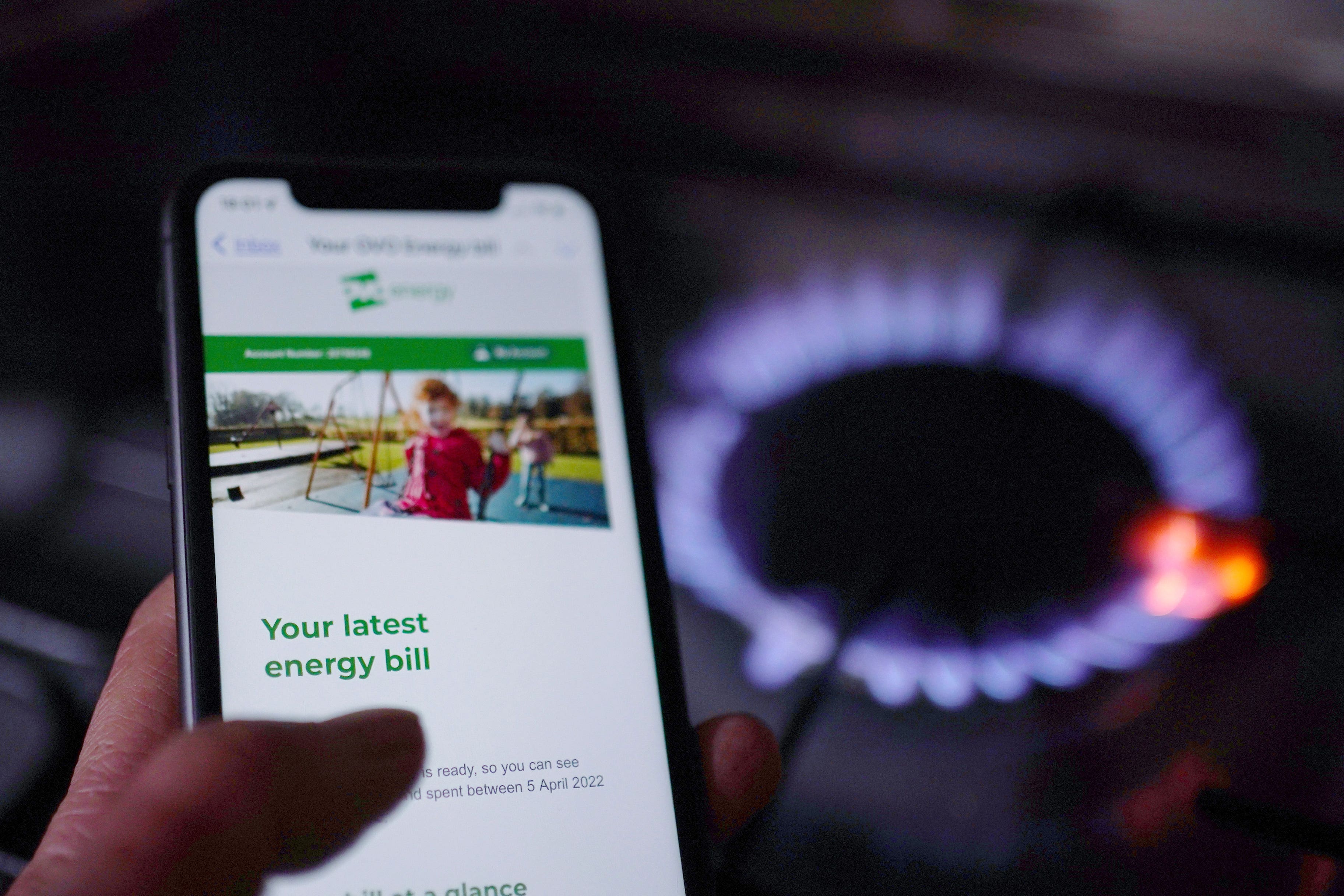
The Government has insisted that “tackling the affordability crisis is our number one priority”.
Its package of support measures so far includes a cut in the rate of VAT on attraction tickets over the summer holidays, free bus travel for children in England during August, extending the 5p-per-litre fuel duty reduction and lowering import tariffs on more than 100 types of food products.
But the lack of further action on energy bills is seen as holding back spending by cash-strapped consumers.
Economist Martin Beck, at WPI Strategy, said recent official figures showing lower retail sales in April was already a sign that “energy pressures are biting”.
“Higher petrol prices, the prospect of an increase in household energy bills in July and weakening consumer sentiment all point to a more cautious spending backdrop,” he said.

