



A leading restaurateur has called time on the trade amid wider fears that the government is driving up costs for businesses at the wrong time.
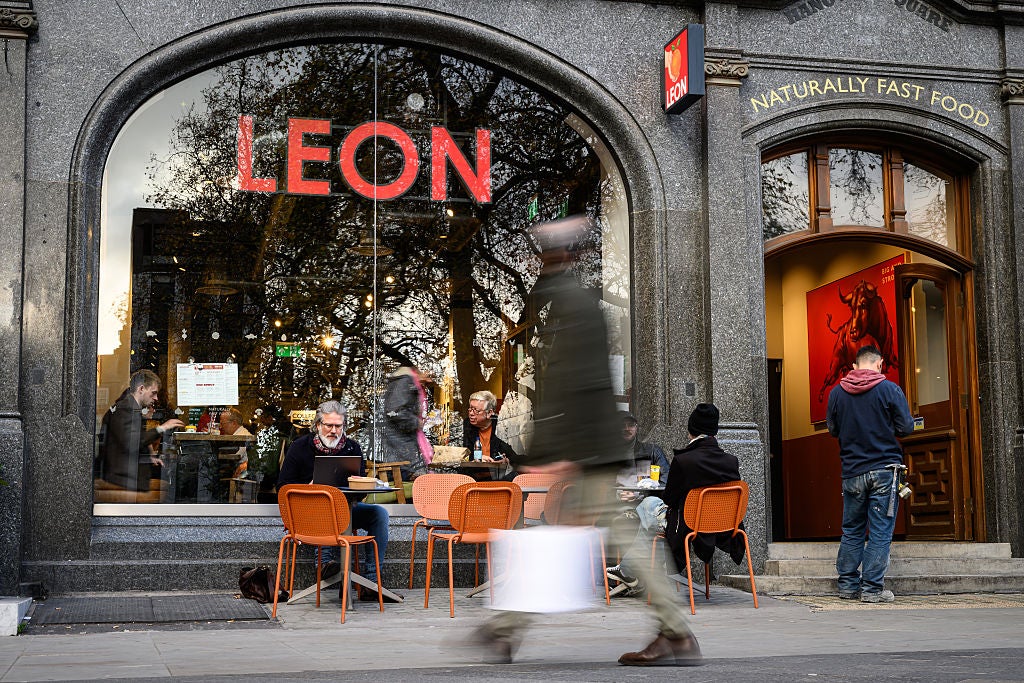
John Vincent, the co-founder of Leon said that Labour is “totally killing the restaurant industry” and that “everyone knows restaurants are done”.
Official insolvency figures show that more than 1,000 restaurants are closing each year, and many more are thought to be technically insolvent. There is a similar story in the pubs trade.
All employers have been hit by a quadruple whammy – rises in the minimum wage, the national living wage, national insurance contributions and pension auto-enrolment, which dictates that employers must contribute to a workplace pension for all staff.
Those policies have hit the hospitality trade particularly hard since margins are so tight and staff already in short supply. Pubs and restaurants are also heavy users of fuel for cooking and lighting, the costs of which have risen due to the Iran war.
Mr Vincent told Times Radio: “I spoke to the guy that owns one of the biggest – I can’t say because it’s confidential – but one of the biggest peers, competitors of Leon. He said restaurants are done. Everyone knows restaurants are done.”
He added: “This is not the market that’s doing this. This is the government. It’s not the consumer that doesn’t want to eat in restaurants. It is the government who is totally killing the restaurant industry.”
Mr Vincent returned as chief executive of Leon last year and has since closed more than 20 restaurants as part of a restructuring.
The British Retail Consortium said earlier this year that higher national insurance contributions, coupled with minimum wage hikes, imposed since last April, had added £5bn annually to the retail sector’s costs, harmed investment, pay awards and employment.
Labour has previously ruled out any U-turn, saying the policies were part of “commitments to young people in our manifesto”.
The national living wage for those 21 and older went up to £12.71 an hour from April, a 4.1 per cent rise.
Philip Shaw at Investec, a City bank, said: “Businesses have been subject to material increases in wage-related costs over the past year or so in the shape of increases in the national living wage and employers’ national insurance contributions [NICs]. In particular, because of the way that the hike in NICs was structured, firms in the restaurant and retail sectors, which are more dependent on staff on below-average wage rates and part-time workers, have been particularly badly hit.”
A government spokesperson said: “We have the right economic plan – we’re reforming business rates to back hospitality, with a £4.3bn support package to limit bills rises, alongside capping corporation tax at 25 per cent, cutting red tape and taking action on the cost of living to boost the sector.
“Increasing the national minimum wage boosts pay for over 200,000 young workers, and employer NICs are lower when hiring under‑21s.”
Meanwhile, M&S called for a crackdown on “brazen, organised, aggressive” shoplifting, saying staff and customers are fearful of criminals.
M&S retail director Thinus Keeve said: “Every day, more than 1,600 retail workers face violence or abuse. This is not isolated. It is systemic and it is getting worse, not better.”

