


Last Updated:
Tensions in West Asia disrupted global LNG supplies, leading Indian energy firms to invoke force majeure. Qatar halted Ras Laffan operations after an Iranian drone strike.




Force Majeure Clause Explained As West Asia Conflict Disrupts Gas Supply
Escalating tensions in West Asia have started to ripple through global energy markets, forcing several Indian energy companies to invoke a contractual clause known as force majeure. The provision allows companies to temporarily suspend or delay contractual obligations when extraordinary events beyond their control disrupt supply chains.
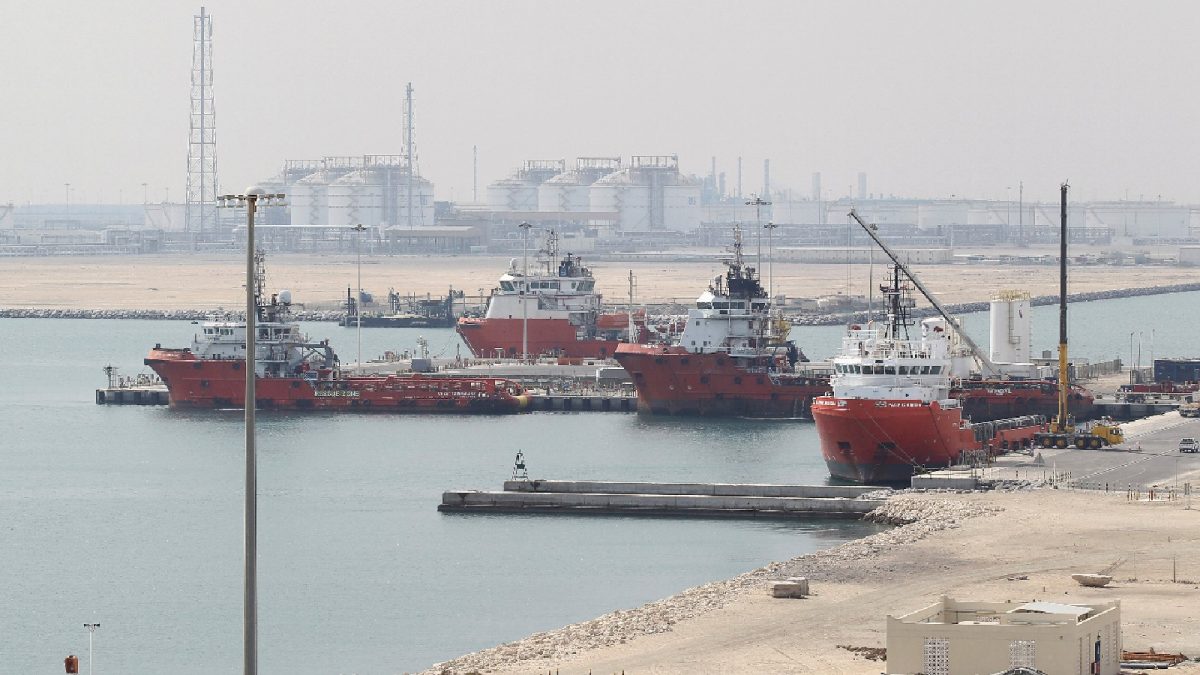
The trigger this time has been disruptions to liquefied natural gas (LNG) supplies. Qatar, one of the world’s largest LNG exporters, reportedly halted operations at its Ras Laffan facility after an Iranian drone strike. The facility accounts for nearly one-fifth of global LNG supply. As supply concerns intensified, natural gas prices surged more than 40 per cent, data from Norway-based consultancy Rystad Energy showed.
What is force majeure?
Force majeure is a clause commonly included in commercial contracts that protects parties from penalties or liability when unforeseen events make it impossible to fulfill contractual obligations.
Such clauses typically cover events like wars, natural disasters, government actions or major disruptions to infrastructure. When invoked successfully, the clause can allow companies to delay deliveries, suspend performance or renegotiate obligations without being considered in breach of contract.
However, invoking force majeure is not automatic. Legal experts say the conditions under which it can be used depend heavily on the exact wording of the contract and the circumstances of the disruption.
When can companies claim force majeure?
Ramesh K Vaidyanathan, managing partner at BTG Advaya, said LNG contracts usually contain detailed provisions on force majeure covering situations like war or conflict.
According to him, if a conflict directly disrupts LNG shipping routes—such as through the Strait of Hormuz—it could potentially qualify. However, companies must demonstrate that the event genuinely prevented them from performing the contract.
He added that delays alone do not necessarily qualify as force majeure. Companies must prove that the disruption was beyond their control, could not have been reasonably foreseen, and that no alternative method of performance was available.
Venkatesh Raman Prasad, partner at JSA Advocates & Solicitors, said force majeure is fundamentally a contract-specific concept. Whether it applies depends on the exact terms of the LNG supply agreement and the identity of the counterparty.
He noted that most LNG contracts require the event to be unavoidable, not caused by the affected party, and severe enough to hinder or delay contractual performance. In addition, companies invoking the clause must provide formal notices as required under the agreement.
Experts also highlight that higher costs alone generally do not qualify as force majeure if supply can still be arranged through alternative routes or logistics.
 Click here to add News18 as your preferred news source on Google.
Follow News18 on Google. Join the fun, play games on News18. Stay updated with all the latest business news, including market trends, stock updates, tax, IPO, banking finance, real estate, savings and investments. To Get in-depth analysis, expert opinions, and real-time updates. Also Download the News18 App to stay updated.
March 05, 2026, 21:21 IST
Read More

