


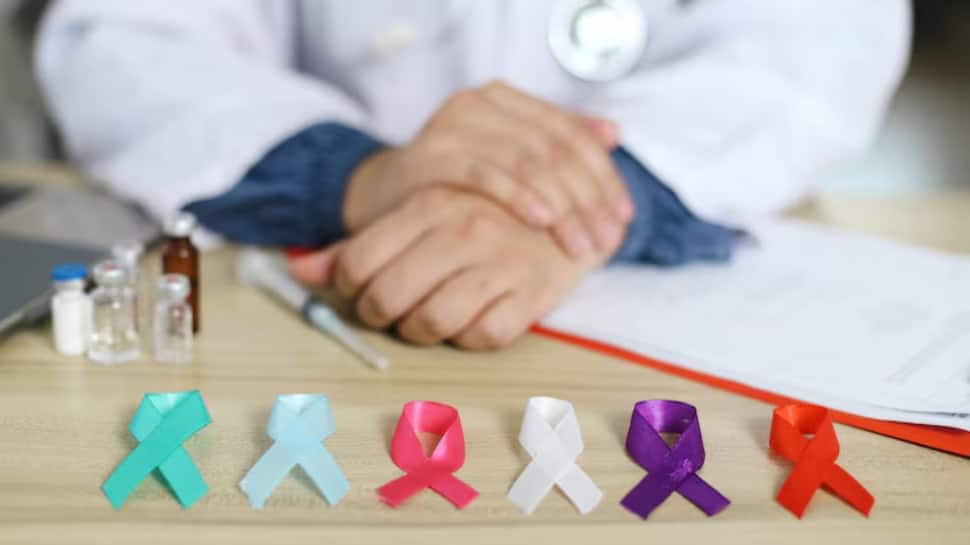
World Cancer Day 2026, observed on February 4, serves as a powerful reminder of one of the biggest health challenges facing India and the world. The day focuses on raising awareness about cancer, encouraging early detection, promoting prevention, and ensuring equal access to quality healthcare. With millions of lives affected every year, World Cancer Day highlights a simple but life-saving truth: detecting cancer early can save lives.
What Is World Cancer Day?
World Cancer Day is a global initiative led by the Union for International Cancer Control (UICC). Observed every year on February 4, it aims to spread awareness, reduce fear and stigma around cancer, and encourage people to seek timely medical care. The day also promotes healthier lifestyles and urges communities, governments, and healthcare systems to work together to fight cancer.
Understanding Cancer
Cancer is not a single disease but a group of conditions where abnormal cells grow uncontrollably and can spread to other parts of the body. It affects not only physical health but also emotional, mental, and social well-being. In India, cancer cases are rising steadily due to lifestyle changes, environmental factors, and delayed diagnosis.
Cancer Risks in India
According to Dr Vimal Pandita, Consultant Oncologist, Kailash Hospital, cancer incidence in India is increasing rapidly.
“Projections estimate over 1.57 million new cancer cases by 2025, marking a 12.8% rise from 2020. Limited access to healthcare in rural areas, high tobacco use, and environmental pollution contribute to nearly 7.85 lakh cancer-related deaths every year. Early detection plays a crucial role in improving survival rates.”
Major risk factors include:
1. Tobacco smoking and chewing
2. Alcohol consumption
3. Poor diet and lack of physical activity
4. Obesity
5. Environmental pollution
6. Infections like HPV and Hepatitis
7. Family history of cancer
Why Early Detection of Cancer Is Crucial
Early detection means identifying cancer before it spreads or becomes severe. It involves two key approaches:
1. Screening – testing healthy individuals before symptoms appear
2. Early diagnosis – identifying cancer at an early stage in people who already have symptoms
Dr Sudha Sinha, Senior Consultant, Medical Oncology & Hemato-Oncology, Yashoda Hospitals, explains that early detection:
1. Increases chances of complete recovery
2. Reduces complications
3. Allows less aggressive and more affordable treatment
4. Improves quality of life
Cancers such as breast, cervical, lung, prostate, ovarian, colorectal, and skin cancer are often detectable at early stages, offering patients the best chance of long-term survival.
Early Warning Signs of Cancer Indians Should Not Ignore
Dr Sinha explains that early symptoms should never be ignored. Some common warning signs include:
1. Persistent headaches or cough
2. Unexplained weight loss
3. Menstrual irregularities or pelvic pain
4. Breast lumps, unusual discharge
5. Changes in bowel or bladder habits
6. Persistent bloating or difficulty swallowing
7. Long-lasting pain
8. Oral ulcers that don’t heal
9. Repeated infections or frequent fevers
10. Changes in skin or moles
In India, recognising these signs early can significantly improve treatment outcomes.
Adding to this, Dr Pandita highlights key symptoms that require immediate medical attention:
1. Unexplained weight loss (10 pounds or more)
2. Persistent fatigue that doesn’t improve with rest
3. Unusual lumps or swellings
4. Changes in moles or non-healing sores
5. Cough or hoarseness lasting over 3 weeks
6. Blood in stool or urine
7. Abnormal bleeding or discharge
8. Persistent pain, night sweats, or fever
9. Difficulty swallowing or chronic indigestion
He emphasises that while these symptoms may not always indicate cancer, if they last more than 2–3 weeks, medical consultation is essential.
How Lifestyle Changes Support Cancer Prevention and Early Detection
Lifestyle choices play a major role in cancer prevention. Research shows that nearly 40% of cancer cases are linked to habits we can control.
Dr Pandita explains the points:-
1. Quit tobacco and limit alcohol – Tobacco alone causes 25–30% of cancer deaths
2. Eat a healthy diet – Fruits, vegetables, whole grains, and traditional Indian foods like millets help protect cells
3. Maintain a healthy weight – Obesity is linked to more than 13 types of cancer
4. Stay physically active – Walking, yoga, or moderate exercise for 150–300 minutes weekly reduces cancer risk
5. Protect skin and get vaccinated – Sunscreen prevents skin cancer; HPV and Hepatitis vaccines reduce cervical and liver cancer risk
6. Regular screenings – Mammograms, Pap smears, colonoscopies, and self-examinations help detect cancer early
Small daily choices, when practiced consistently, can significantly reduce cancer risk and improve long-term health.
Expert Insight: Timing Can Save Lives
Dr Nadeem Shoket, Senior Consultant – Medical Oncology, American Oncology Institute, emphasises:
“The difference between a cure and a crisis is often timing. Many patients reach hospitals at advanced stages because early warning signs were ignored. When cancers like breast, cervical, oral, and colorectal are detected early, survival rates don’t just improve they skyrocket.”
He adds that early treatment is less invasive, more affordable, and emotionally easier for families. Ignoring symptoms remains one of the biggest barriers to recovery in India.
World Cancer Day reminds us that cancer does not appear overnight and neither does recovery. Early detection remains the strongest weapon in saving lives, especially in India, where late diagnosis continues to cost thousands of families their loved ones. By listening to our bodies, adopting healthier lifestyles, and seeking timely medical care, cancer can shift from a life-threatening disease to a manageable condition. Awareness is not just information it is action, hope, and a lifesaver.
(This article is meant for informational purposes only and must not be considered a substitute for advice provided by qualified medical professionals. Always seek the advice of your doctor with any questions about a medical condition.)

