


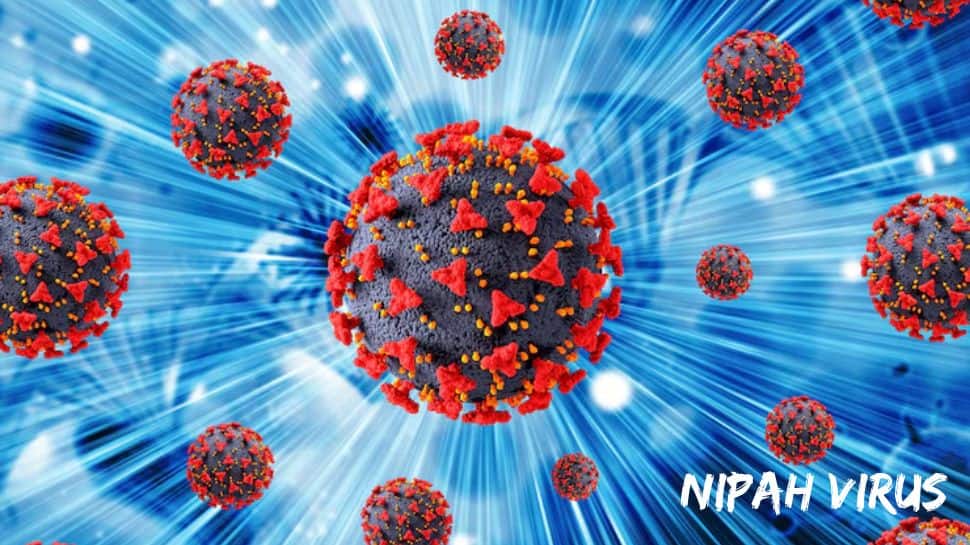
Nipah Virus Outbreak: As India continues to face the threat of the deadly Nipah virus, a new study from China is making headlines. Researchers from the Wuhan Institute of Virology claim that a drug originally developed to treat COVID-19 can help manage Nipah virus outbreaks.
What Is Nipah Virus and Why Is It Dangerous?
Nipah virus is a rare but extremely dangerous infection. It has no approved vaccine or specific treatment yet. The virus can be fatal in 40 to 75 percent of cases, according to the World Health Organization (WHO).
The recent outbreak in West Bengal has reportedly infected at least five people, raising concerns once again about the virus’s deadly nature.
Chinese researchers find potential treatment
According to scientists from the Wuhan Institute of Virology, a Chinese antiviral drug called VV116 could be useful in controlling Nipah virus outbreaks.
VV116 is an oral antiviral medicine that was earlier developed to treat Covid-19. In laboratory experiments, the drug showed promising results against the Nipah virus.
What did the study find?
In the study, researchers tested VV116 on infected golden hamsters. Normally, the virus dose given would be fatal. However, after treatment with VV116:
About 66.7 percent of the hamsters survived
The drug significantly reduced the virus in vital organs such as the lungs, brain, and spleen
These organs are usually the most affected during Nipah infection
The researchers called this the first study to show VV116’s treatment potential against the Nipah virus.
How can this drug be used?
Scientists believe VV116 could be useful in two important ways:
As a preventive medicine for high-risk groups like healthcare workers and laboratory staff
As a ready-to-use treatment option during current and future Nipah outbreaks
Since the drug is already approved for Covid-19 treatment in China and Uzbekistan, its safety for human use is already established.
Who conducted the research?
The research was carried out by scientists from:
Wuhan Institute of Virology
Chinese Academy of Sciences
Lingang Laboratory
Vigonvita Life Sciences Shanghai
These institutions jointly developed the drug. The findings were published in the scientific journal Emerging Microbes & Infections in November.
History of Nipah Virus outbreaks
Nipah virus was first identified during an outbreak in Malaysia between 1998 and 1999. Later, cases were reported in Bangladesh and India in 2001.
India has seen multiple outbreaks over the years, including a severe one in Kerala in 2018, which caused at least 17 deaths. Because of its high fatality rate, the WHO has classified Nipah as a priority disease for research.
How does Nipah Virus spread?
The virus spreads in several ways:
From fruit bats (Pteropus bats) to humans
Through infected animals like pigs or horses
From human to human, especially through close contact
In many cases in India and Bangladesh, infection is linked to consuming raw date palm juice or fruits contaminated with bat saliva or urine.
Symptoms of Nipah Virus Infection
Nipah virus symptoms usually start mild but can quickly become severe.
Common Symptoms Include:
Fever
Headache
Muscle pain
Sore throat
Cough
Difficulty breathing
Drowsiness
Confusion
Seizures
In severe cases, the infection can cause brain inflammation (encephalitis), leading to coma or death.
Is there a vaccine for Nipah Virus?
Currently, there is no approved vaccine for Nipah virus. However, there is some encouraging progress.
In December, a Nipah vaccine candidate developed by the University of Oxford entered Phase 2 human clinical trials—the first in the world. The vaccine is being tested in Bangladesh and uses the same technology as the Oxford-AstraZeneca Covid-19 vaccine.
Prevention tips for Nipah Virus
Since there is no cure, prevention remains crucial.
Key Preventive Measures:
Avoid consuming raw palm sap or fallen fruits
Maintain strict hygiene while caring for infected patients
Use protective equipment in healthcare settings
Isolate infected individuals to prevent spread
Report symptoms early and avoid contact with sick animals
Public awareness and early detection play a major role in controlling outbreaks.
While Nipah virus remains a serious public health threat, the discovery of VV116’s potential offers hope. Experts stress that further research is needed, but this Covid-19 drug could become a valuable tool in managing future outbreaks and protecting high-risk populations.
Early awareness, preventive measures, and continued scientific research remain key in India’s fight against the Nipah virus.
(This article is meant for informational purposes only and must not be considered a substitute for advice provided by qualified medical professionals. Always seek the advice of your doctor with any questions about a medical condition.)

