


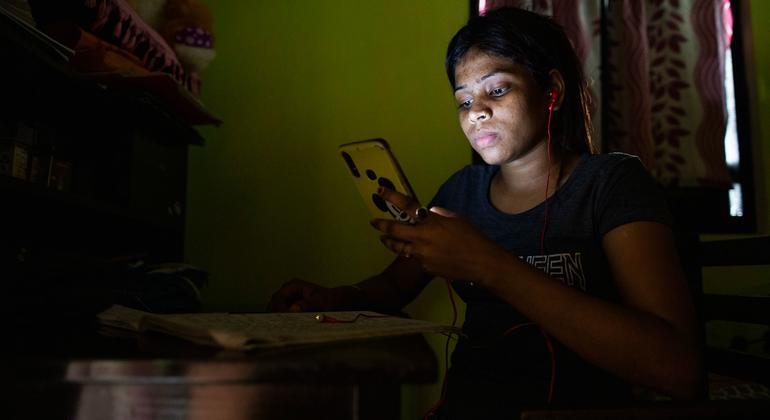
In a statement issued this week, UNESCO said governments are increasingly cutting internet access during protests, elections and times of crisis, despite the central role online connectivity plays in democratic participation and the exercise of basic rights.
The agency noted that 2024 was the worst year on record for internet shutdowns since 2016, citing data from the civil society monitoring group Access Now.
It warned that the trend has continued into 2026, with blanket shutdowns already imposed in several countries facing major demonstrations or electoral processes.
“Access to information is an integral part of the universal right to freedom of expression,” UNESCO said, stressing that internet connectivity is also essential for other rights, including education, freedom of association and assembly, and participation in social, cultural and political life.
It called on governments to adopt policies that facilitate access rather than erect barriers to connectivity.
Internet disruptions also fuel misinformation. When journalists, media outlets and public authorities are cut off from digital channels, verified information becomes harder to access, creating space for rumors and unverified content to spread.
Shutdowns during protests and elections
Recent months have seen a series of high-profile internet shutdowns and digital restrictions imposed amid political unrest.
In January 2026, authorities in Iran imposed a near-total nationwide blackout during renewed protests, sharply curtailing online communications. Connectivity monitors reported traffic falling to minimal levels, disrupting businesses and severely limiting the ability of citizens, journalists and civil society groups to share information.
In Afghanistan, the Taliban ordered a nationwide shutdown in September-October 2025, further constraining humanitarian operations, journalism and access to education, particularly for women and girls.
Elsewhere, governments have increasingly relied on targeted platform bans. In Nepal, authorities suspended access to 26 social media and messaging platforms in September 2025 amid political unrest.
In Sri Lanka, a law adopted in 2024 grants broad powers to restrict online content, raising concerns about shrinking digital civic space.
In Africa, election-related disruptions have remained a recurring feature.
Internet connectivity was significantly disrupted in Cameroon during the October 2025 presidential election, while Tanzania imposed internet restrictions and partial shutdowns around its October 2025 polls, drawing criticism over a wider crackdown on civil freedoms.
Human rights implications
The growing concern echoes warnings from a 2022 report from the UN human rights office (OHCHR), which examined the causes and impacts of internet shutdowns worldwide.
The report detailed how shutdowns can prevent hospitals from contacting doctors in emergencies, deprive voters of information about candidates, cut off small businesses from customers, and leave protesters unable to call for help during violent crackdowns.
It found that internet shutdowns rarely meet international human rights standards, particularly the principles of legality, necessity and proportionality.
Because of their indiscriminate reach, the report said, shutdowns often affect millions beyond the situations they are meant to address, deepening digital divides and undermining social and economic progress.

