


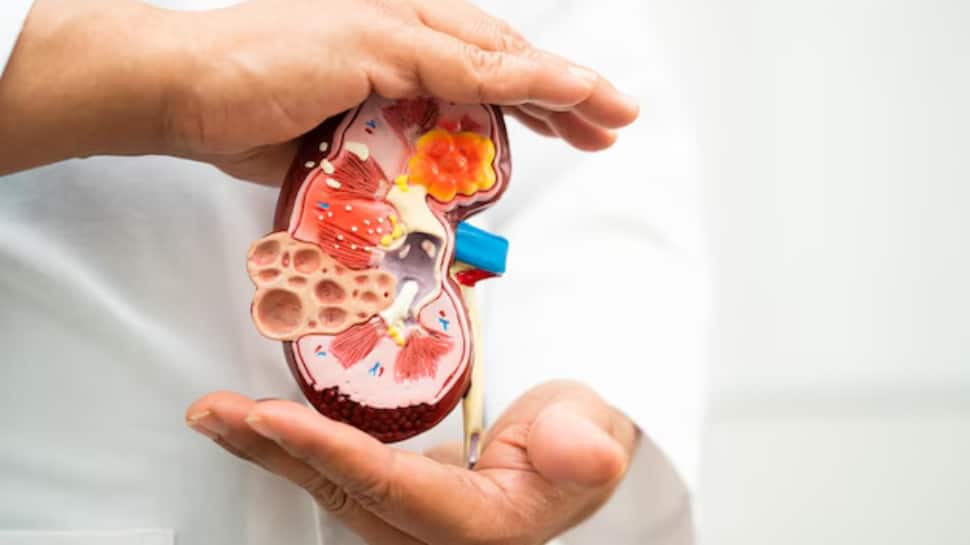
In today’s urban population, kidney ageing is closely tied to metabolic health. Rising rates of diabetes, obesity, and uncontrolled hypertension are quietly pushing kidneys into early decline. Every day eating patterns high in salt, sugar, and packaged foods cause these organs to work overtime. When this is combined with chronic stress, little physical activity, and poor sleep, the strain builds up far more quickly than most expect.
No pain, no dramatic symptom, just a gradual loss of function
“Most people assume kidney problems appear suddenly, but in reality, kidney ageing is slow, silent, and largely driven by daily habits. I often see patients in their forties whose kidneys resemble those of someone much older. Poor hydration, irregular meals, excessive salt intake, frequent painkiller use, and long hours of sitting quietly strain the kidneys over time. Unlike the heart, kidneys rarely give early warning signs. There is no pain, no dramatic symptom, just a gradual loss of function.”
“What worries me most is how normalised dehydration and processed food consumption have become, especially among working adults. Kidneys are designed to filter blood efficiently, but they rely heavily on adequate water intake and stable blood pressure. When lifestyle choices repeatedly push these systems off balance, kidney ageing accelerates. The good news is that kidneys respond well to early lifestyle correction. Simple changes like drinking water consistently through the day, managing blood sugar and blood pressure, limiting unnecessary medications, and prioritising sleep can significantly slow this process. Kidney health is not about dramatic detoxes; it is about respecting small daily routines that protect long-term function.” said Dr Ratan Jha, Clinical Director & Senior Consultant, Nephrologist & Transplant Physician, CARE Hospitals, Banjara Hills, Hyderabad.
“Many patients are shocked when routine tests show reduced kidney function because they feel otherwise healthy. In practice, the kidneys start taking the hit much earlier than people realise, often well before any symptoms show up.”
Once it advances, it’s irreversible
“What makes kidney ageing particularly dangerous is its irreversibility once advanced. However, this is also one of the most preventable organ failures we see in medicine. Regular health screenings, even for younger adults, make a huge difference. Catching early changes allows us to slow or stabilise kidney function for decades. Kidney health should be viewed as a mirror of overall metabolic discipline. When people take care of their blood pressure, sugar levels, weight, and diet, their kidneys almost always benefit.” said Dr Arun Kumar J, Consultant – Nephrologist, Gleneagles BGS Hospital.
“One of the harsh realities of kidney disease is how late it is often discovered. Many patients come to us only when kidney function has already declined significantly. At that stage, we are managing damage rather than preventing it. In my experience, lifestyle-driven kidney ageing starts much earlier than people realise—sometimes in the late twenties or thirties. Frequent use of over-the-counter painkillers, protein-heavy fad diets, poor hydration habits, and untreated blood pressure issues all take a cumulative toll.”
Kidneys are resilient, but not indestructible
The kidneys are remarkably resilient organs, but they are not indestructible. They remember years of neglect. What frustrates clinicians is that most of this damage could have been avoided with timely awareness and basic monitoring. Checking kidney function is straightforward, not expensive, and easily accessible in most healthcare settings. Yet they are often ignored until symptoms appear. Protecting kidney health is not about fear; it is about foresight. The earlier we intervene, the more kidney function we can preserve, and the better the patient’s long-term quality of life.” said Dr Hima Deepti Alla, Sr. Consultant – Nephrology & Renal Transplant, Arete Hospitals.
(This article is based on information available in the public domain and on input provided by experts consulted. Views expressed by experts in the articles are their own; Zee News does not confirm or endorse the same. This article is meant for informational purposes only and must not be considered a substitute for advice provided by qualified medical professionals. Always seek the advice of your doctor with any questions about diabetes, weight loss, or other medical conditions.)

