


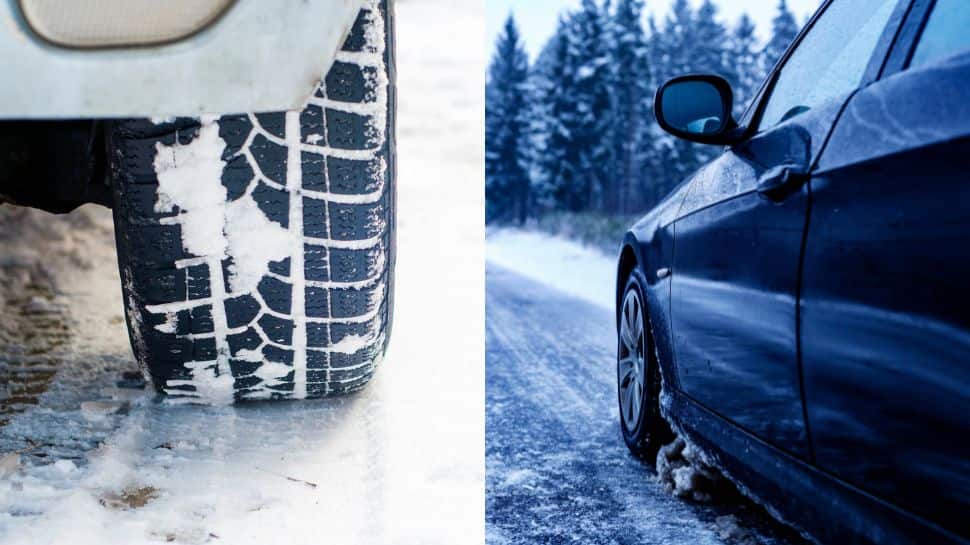
Safe driving tips: Black ice is one of the most dangerous winter road hazards during snowfall seasons. It is a thin, transparent layer of ice that blends with the road surface, making it hard for drivers to see. During snowfall and freezing temperatures, black ice can form quickly and lead to a sudden loss of control. Road safety experts advise drivers to stay alert and follow simple precautions to reduce risks.
Black ice usually forms when temperatures go around freezing and moisture freezes on road surfaces. It is commonly found on bridges, flyovers, shaded areas, tunnels, and curves, as these sections cool faster than regular roads. Early mornings and late nights are especially risky, as the ice may not have melted. Here are some tips that could help you drive safely on black ice:
Slow down and drive smoothly: The most important rule you should follow when driving on black ice is to reduce speed. Sudden acceleration, braking, or sharp turns can cause tyres to lose grip. Maintain a steady speed and keep movements smooth. Driving slower gives tyres more time to respond and helps prevent skidding.
Keep distance: On icy roads, braking distances increase significantly. Drivers should keep at least double the normal distance from the vehicle ahead. This extra space allows more time to react if the vehicle in front slows down or loses control.
Avoid sudden braking: If you suspect black ice, avoid suddenly applying the brakes. If your vehicle has ABS (Anti-lock Braking System), apply steady pressure and let the system work. For vehicles without ABS, gently apply the brakes to avoid wheel lock-up. Sudden braking can cause the car to skid.
(Also Read: New traffic rule alert: Your five mistakes can cost you your driving licence – Details)
If your vehicle starts to skid, do not panic. Ease off the accelerator and steer gently in the direction you want the front of the car to go. Avoid overcorrecting, as this could make the skid worse.
Use low-beam headlights: Always use low-beam headlights during snowfall or foggy conditions to improve visibility. Winter tyres or all-season tyres with good tread offer better grip on icy roads. Check tyre pressure regularly, as cold temperatures can reduce it.
Avoid cruise control: Do not use cruise control on icy roads. Drivers need full control of speed at all times. Stay alert for shiny or wet-looking patches on the road, which may indicate black ice.
Experts also suggest checking weather and road condition updates before travelling. If conditions are severe, you can change your route or delay your journey.

