


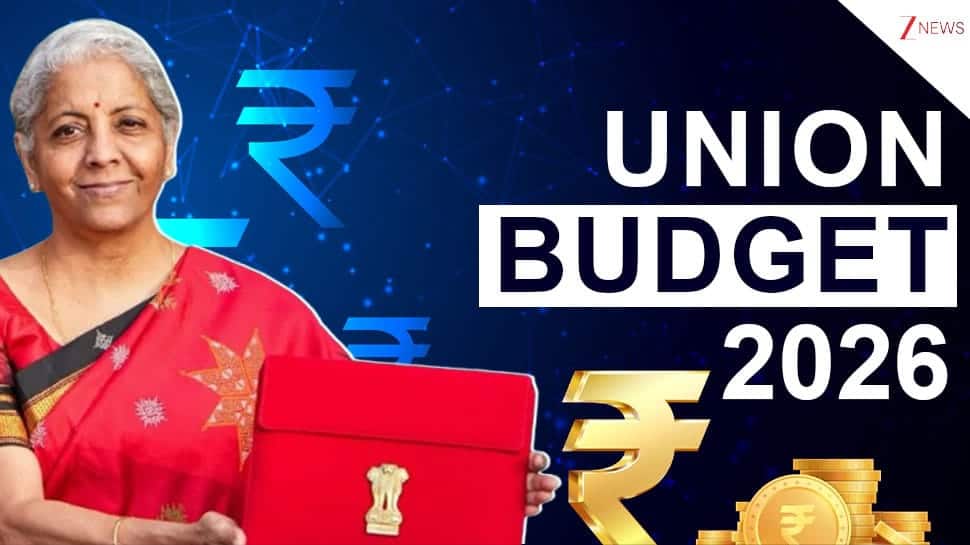
New Delhi: As the countdown to Union Budget 2026 begins, Hindu Undivided Families (HUFs) are once again hoping for long-pending reforms in India’s tax system. Although HUFs are recognised as a separate ‘person’ under the Income-tax Act, they continue to face gaps in tax relief when compared to individual taxpayers — particularly under the new tax regime.
At present, HUFs can choose between the old and new tax regimes, just like individuals. However, the benefits available under each system are not evenly balanced.
Old Regime: Limited Scope for Relief
Under the old tax regime, HUFs can claim popular deductions such as Section 80C, Section 80D and others. But tax experts believe that Budget 2026 is unlikely to introduce any fresh benefits under the old system, as the government remains focused on gradually shifting taxpayers to the new regime.
New Regime: The Missing Rebate
The bigger concern for HUFs lies in the new tax regime, which offers lower tax slab rates but removes most exemptions and deductions. More importantly, HUFs are currently not eligible for the Section 87A rebate, which allows individuals earning up to Rs 7 lakh to pay zero tax.
This has created a clear disparity — two taxpayers with the same income can face very different tax outcomes, simply because one is an individual and the other is an HUF.
Expert View
Naveen Wadhwa, Vice President at Taxmann, explains:
“A Hindu Undivided Family (HUF) is treated as a separate person under the Income-tax Act and can choose between the old and the new tax regimes. Under the old tax regime, HUFs can claim deductions under Sections 80C and 80D, etc., while under the new tax regime, they have to forego certain exemptions and deductions. It is unlikely that the Budget 2026 will offer any relief in the old tax regime for HUFs. However, under the new tax regime, one key recommendation is that the government extend the rebate under Section 87A to HUFs as well, which is currently available only to individuals. This move would make the new tax regime more attractive and equitable for HUF taxpayers.”
Why This Matters
HUFs are widely used in India for managing ancestral income, family businesses, and investments. Without access to the 87A rebate, many small and middle-income HUFs end up paying higher tax than individuals with the same income.
Tax professionals argue that extending the rebate would help make the new regime fair, simple, and inclusive, while also encouraging a smoother transition away from the old tax structure.
Bottom Line
With Budget 2026 expected to further strengthen the new tax regime, extending the Section 87A rebate to HUFs could be a meaningful reform. While changes under the old regime appear unlikely, the new regime presents a real opportunity to address long-standing inequality for HUF taxpayers.

