


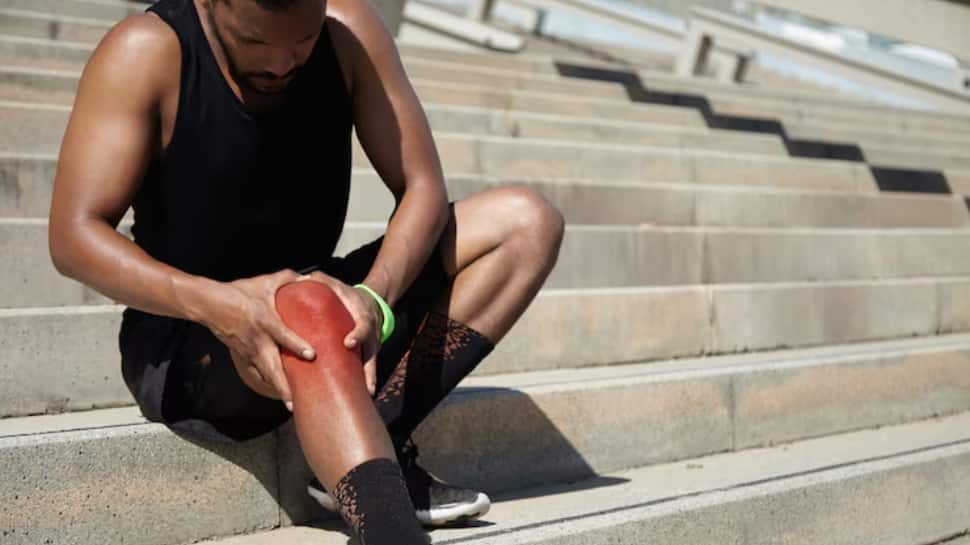
Meniscal tears are some of the most common knee injuries and can affect anyone, an athlete making a quick turn, a runner landing awkwardly, or even an elderly individual whose knee has weakened over time. The meniscus is a C-shaped cushion inside the knee that absorbs shock and supports smooth movement. When it tears, the knee starts sending out telltale signals that one shouldn’t ignore.
Key Symptoms and Why They Matter
Dr Shirish Pathak, Consultant Shoulder & Arthroscopy Surgeon, Deenanath Mangeshkar Hospital and Research Center, Pune, says, “A meniscal tear is commonly associated with sudden twisting, squatting, or a sudden change in leg position.” Sometimes, the tear develops gradually as the menisci wear with age. Regardless of the cause, the knee often gives early warning signs of a meniscal tear:
Dr Shirish lists the following symptoms to look out for:
1. Pain along the knee joint, especially with twisting movements
2. Clicking or popping sensations
3. Difficulty bending or straightening the knee
4. Locking or catching, as if the knee is stuck
5. Instability, where the knee feels like it may give way
Persistent tears can also affect day-to-day mobility, making it difficult to climb stairs, exercise, or even walk without discomfort.
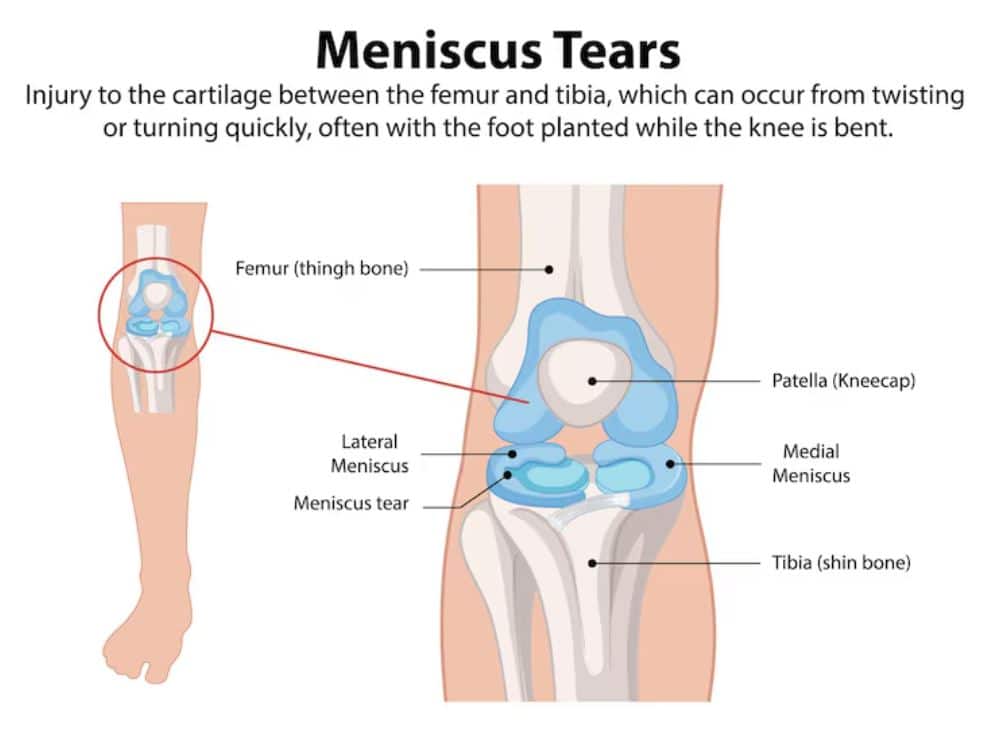
A torn meniscus is not just a short-term injury. If left untreated, the torn meniscus can no longer protect the joint as efficiently and may lead to increased friction between bones. This could increase the pace of cartilage degeneration and heighten the risk of early osteoarthritis over time.
When to Consult a Doctor and Possible Treatment
You should consider seeing a doctor if you experience any of the key symptoms. Early consultation ensures the accuracy of diagnosis and prevents further development of an injury.
Minor tears often respond well to rest, ice, compression, elevation, and physiotherapy. However, complex or persistent tears may require arthroscopy, a minimally invasive procedure used to repair or trim the damaged meniscus. Arthroscopy involves small incisions, offers quicker healing, and helps restore smooth knee movement with minimal discomfort.
Paying attention to knee symptoms and seeking timely care can safeguard long-term joint health and help individuals return to their regular activities confidently.
(Views expressed by experts in the articles are their own; Zee News does not confirm or endorse the same. This article is meant for informational purposes only and must not be considered a substitute for advice provided by qualified medical professionals. Always seek the advice of your doctor with any questions about diabetes, weight loss, or other medical conditions.)

