


Last Updated:
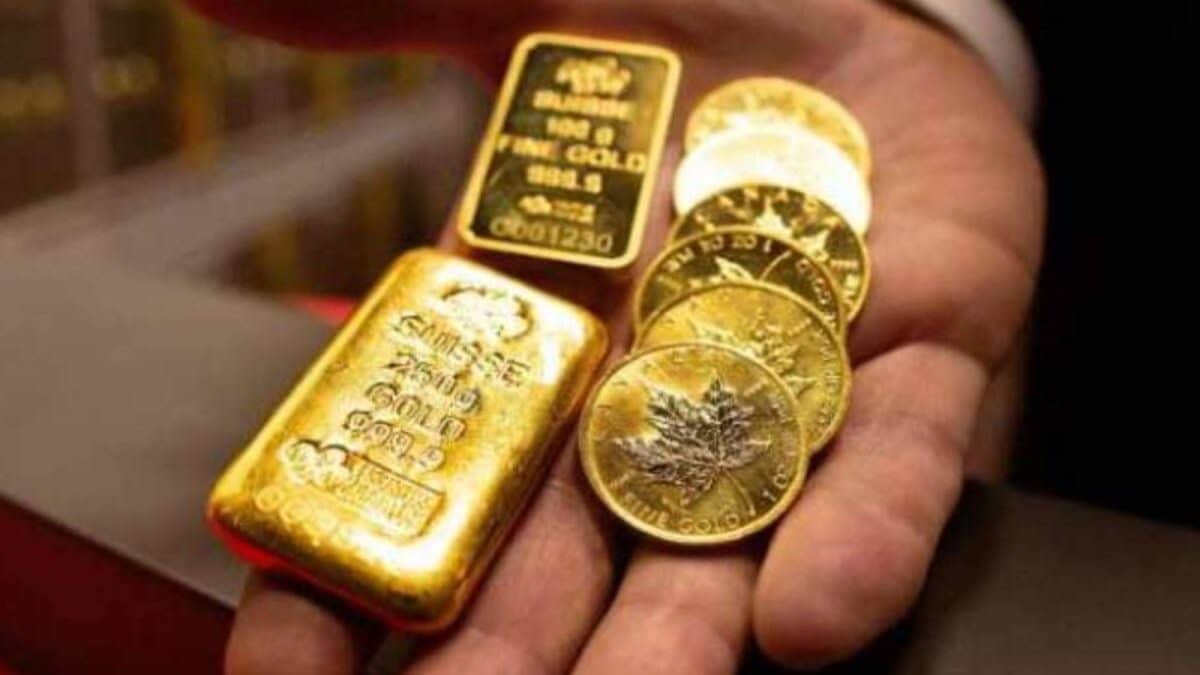
Estimates suggest that Indian households collectively hold around 25,000 to 30,000 tonnes of gold, one of the largest private holdings worldwide.
As 2026 unfolds, Indian investors should anticipate gold maintaining its strategic importance amid fluctuating economic conditions.
Written By Sachin Sawrikar:
Diamonds may have been marketed by De Beers as a woman’s best friend but in so far as Indian women are concerned, it’s gold that has forever held sway over their hearts. Beyond just the utility of gold as jewellery to be flaunted as a status symbol, this non-depreciating asset (unlike a fancy car or a top-end iPhone model, for instance) has had a transformative impact on the wealth of Indian households.
Massive Wealth Creation: $792 Billion Appreciation Since 2011
Between 2011 and 2024, India imported substantial quantities of gold. While these imports initially contributed to widening the trade deficit, the dollar value of these holdings has appreciated dramatically. At current prices near $4,211 per ounce, gold imported during this period has gained about $1.085 trillion in value, an aggregate increase of around 175%.
| Year | Imported Gold (tonnes) | Import Value (USD bn) | Current Value (USD bn) | Gain (USD bn) | Gain (%) |
|---|---|---|---|---|---|
| 2011 | 1,081.78 | 53.92 | 146.27 | 92.35 | 171% |
| 2012 | 982.69 | 52.77 | 133.03 | 80.27 | 152% |
| 2013 | 832.87 | 39.18 | 112.75 | 73.57 | 188% |
| 2014 | 798.40 | 31.21 | 107.98 | 76.77 | 246% |
| 2015 | 1,047.15 | 35.02 | 141.66 | 106.64 | 304% |
| 2016 | 668.27 | 23.11 | 90.42 | 67.31 | 291% |
| 2017 | 1,032.93 | 36.29 | 139.74 | 103.45 | 285% |
| 2018 | 945.02 | 31.79 | 127.93 | 96.14 | 302% |
| 2019 | 836.41 | 31.24 | 113.15 | 81.91 | 262% |
| 2020 | 430.10 | 21.96 | 58.16 | 36.20 | 165% |
| 2021 | 1,067.70 | 55.70 | 144.42 | 88.72 | 159% |
| 2022 | 763.00 | 38.70 | 103.25 | 64.55 | 167% |
| 2023 | 800.00 | 47.00 | 108.22 | 61.22 | 130% |
| 2024 | 802.80 | 52.00 | 108.80 | 56.80 | 109% |
This gain alone exceeds India’s current foreign exchange reserves, highlighting gold’s extraordinary role as a store of wealth. The total current valuation of India’s gold holdings imported since 2011 stands close to $1.6 trillion. Even gold imported in 2024, valued at $52 billion at the time, is now worth over $108 billion, underscoring gold’s enduring ability to generate wealth. Ironically, many market commentators at the time expressed concern over the impact of gold purchases on India’s forex reserves and trade deficit, not fully appreciating the long-term wealth creation these imports have enabled.
Re-Exports and India’s Role as a Global Jewellery Hub
A portion of this imported gold has been re-exported as jewellery, reflecting India’s global status as a leading hub for craftsmanship and trade. While this flow partially offsets import volumes, it does not diminish the substantial domestic stockpile that forms a cornerstone of financial security for Indian households and institutions alike.
25,000-30,000 Tonnes of Gold Held by Households
Estimates suggest that Indian households collectively hold around 25,000 to 30,000 tonnes of gold, one of the largest private holdings worldwide. At current prices, this translates to roughly $3.4 trillion to over $4.1 trillion in value, making gold one of the most significant components of household wealth in India. This immense stockpile reinforces why gold continues to occupy a central place in Indian culture, savings, and investment portfolios.
A Blockbuster 2025 and the Outlook for 2026
Gold experienced a blockbuster performance in 2025, driven by ongoing geopolitical tensions, elevated inflation concerns, and sustained central bank purchases. For Indian investors, the year was especially rewarding, with gold prices rallying sharply, reaffirming gold’s timeless appeal as both a safe haven and wealth preserver. Globally, the metal’s value benefited from persistent macroeconomic uncertainty, while in India, steady demand from festivals, weddings, and investments kept momentum strong.
Looking ahead to 2026, the outlook for gold remains positive but nuanced. Factors such as central banks’ monetary policies, currency fluctuations, and inflation trends will largely determine gold’s trajectory. Should inflation prove more persistent than expected, gold will continue to serve as a vital hedge against purchasing power erosion. Conversely, aggressive interest rate hikes may introduce short-term pressure on prices, though gold’s intrinsic qualities as a tangible, non-yielding asset will preserve its long-term role in diversified portfolios. Moreover, geopolitical tensions and financial market volatility will remain key drivers of safe-haven demand.
Portfolio Allocation: 5-10% Recommended
Regarding portfolio allocation, financial planners generally recommend allocating between 5%-10% of one’s investment portfolio to gold. This allocation balances gold’s role as a stable hedge and inflation protector with growth-oriented assets like equities. Investors already holding substantial physical gold might diversify by adding gold based funds to improve liquidity and manageability. Ultimately, gold’s unique qualities, capital preservation, inflation hedging, and crisis resilience, make it indispensable in a balanced investment strategy.
New Opportunities Through GIFT City
For investors seeking exposure to gold in 2026, various avenues exist. Resident Indians can consider sovereign gold bonds, gold ETFs, and digital gold platforms, which offer liquidity, convenience, and tax advantages. While the first two are well regulated, there is considerable merit in being sanguine about the latter. So far, investors have not been able to use the GIFT City route to invest in international gold funds, passive or active, that offer exposure to both a hard currency, such as the US dollar and international gold price indexation.
With a change in regulations by the IFSCA, the regulator of the GIFT city, licensed fund management entities now have the ability to launch schemes that invest in commodities such as precious metals. Soon, investors will have exciting new options with the upcoming launches of gold funds domiciled in GIFT City that will allow NRIs and resident Indians to invest in professionally managed physical gold-backed funds through regulated vehicles that offer transparency and global standards.
As 2026 unfolds, Indian investors should anticipate gold maintaining its strategic importance amid fluctuating economic conditions. While price volatility is inevitable, gold’s combination of cultural significance, global macroeconomic dynamics, and its massive accumulated value, ensures it remains a vital component of wealth preservation and portfolio diversification. Leveraging modern investment products alongside traditional holdings will enable investors to optimise returns while managing risks.
(The author is the managing partner of Artha Bharat Investment Managers IFSC LLP)
 Click here to add News18 as your preferred news source on Google.
December 27, 2025, 13:48 IST
Read More

