


NEWYou can now listen to Fox News articles!
Former U.S. Sen. Ben Sasse of Nebraska announced this week that he has been diagnosed with metastatic stage 4 pancreatic cancer, calling the disease “a death sentence” in a message posted on X.
Sasse, 53, said the cancer has spread and acknowledged that he has “less time than I’d prefer,” although he also mentioned recent scientific advances and his intention to pursue treatment.
“I’m not going down without a fight,” Sasse said when revealing his diagnosis. “One sub-part of God’s grace is found in the jaw-dropping advances science has made the past few years in immunotherapy and more.”
HIDDEN FACTOR IN CANCER TREATMENT TIMING MAY AFFECT SURVIVAL, RESEARCHERS SAY
Pancreatic cancer is known to be one of the deadliest forms of cancer, with ongoing research efforts aiming to improve outcomes.
Below are six key things to know about the disease.
No. 1: Pancreatic cancer is often diagnosed late and is highly deadly
Pancreatic cancer is notoriously aggressive and difficult to treat, according to the American Cancer Society. Most patients are not diagnosed until the disease has already spread to other organs, largely because there aren’t reliable screening tests and early symptoms can be vague or absent.
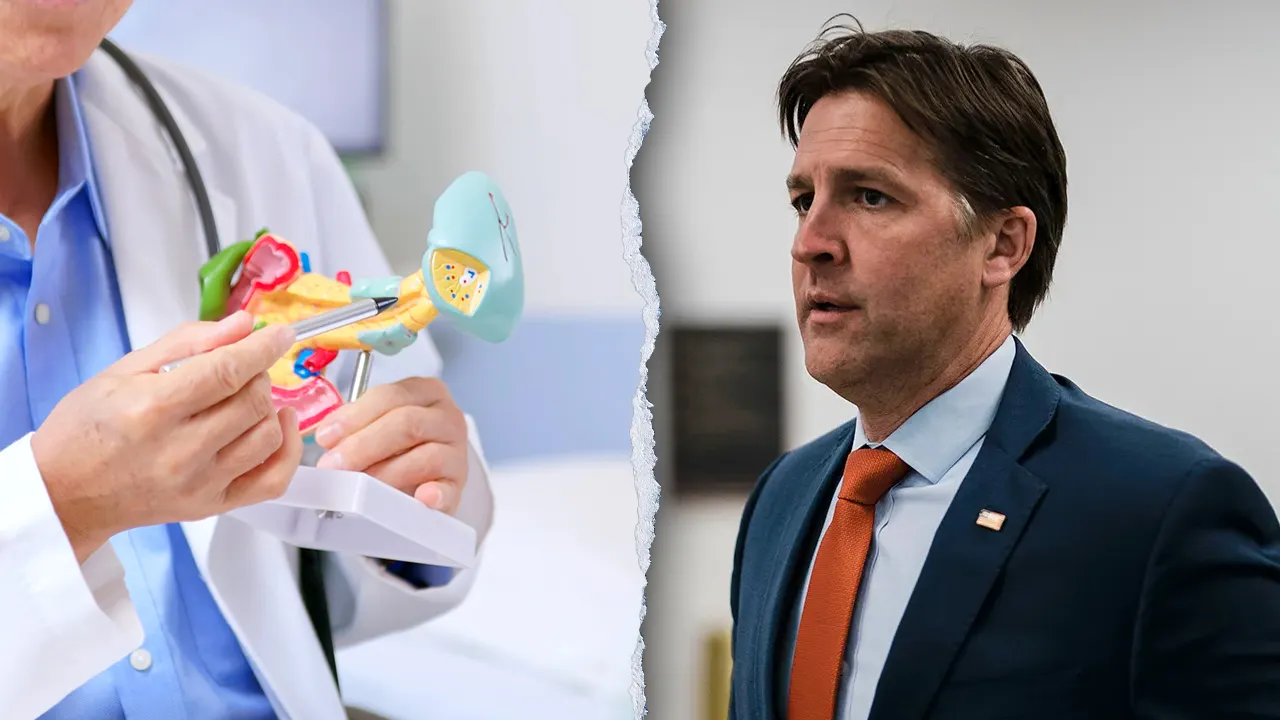
Ben Sasse, a former U.S. senator from Nebraska, announced that he has been diagnosed with metastatic stage 4 pancreatic cancer. (Getty Images; iStock)
The ACS estimates that 67,440 Americans will be diagnosed with pancreatic cancer in 2025, and about 51,980 are expected to die from it. The tumor’s biology creates physical and chemical barriers that reduce the effectiveness of many traditional treatments.
No. 2: New immunotherapies are showing early promise
Researchers at UCLA recently reported progress on an experimental, off-the-shelf, cell-based immunotherapy designed to attack pancreatic cancer.
FORMER GOP SEN. BEN SASSE REVEALS STAGE-4 CANCER DIAGNOSIS: ‘IT’S A DEATH SENTENCE’
In mouse studies, the therapy slowed tumor growth, extended survival and remained effective even after the cancer had spread to other organs, such as the liver and lungs.
The treatment uses special immune cells called natural killer T (NKT) cells, which are genetically modified so they can specifically recognize and attack pancreatic cancer cells.

Early research is exploring new approaches to pancreatic cancer, including experimental immunotherapies and studies of risk factors, but many findings are still in preclinical or observational stages. (iStock)
Unlike personalized therapies, the NKT cells are naturally compatible with different immune systems and can be mass-produced from donor stem cells.
TEST YOURSELF WITH OUR LATEST LIFESTYLE QUIZ
Researchers estimate that one donor could supply cells for thousands of treatments, with a potential cost of around $5,000 per dose. All testing so far has been done in mice, and human trials have not yet begun.
No. 3: Diet and gut health may affect treatment recovery
Separate research from the Massachusetts Institute of Technology has suggested that the amino acid cysteine could help the gut heal after cancer treatments, such as chemotherapy and radiation.
In mouse studies, cysteine — found in foods like meat, eggs, dairy products, legumes and nuts — helped to regenerate intestinal stem cells that are often damaged during cancer therapy.
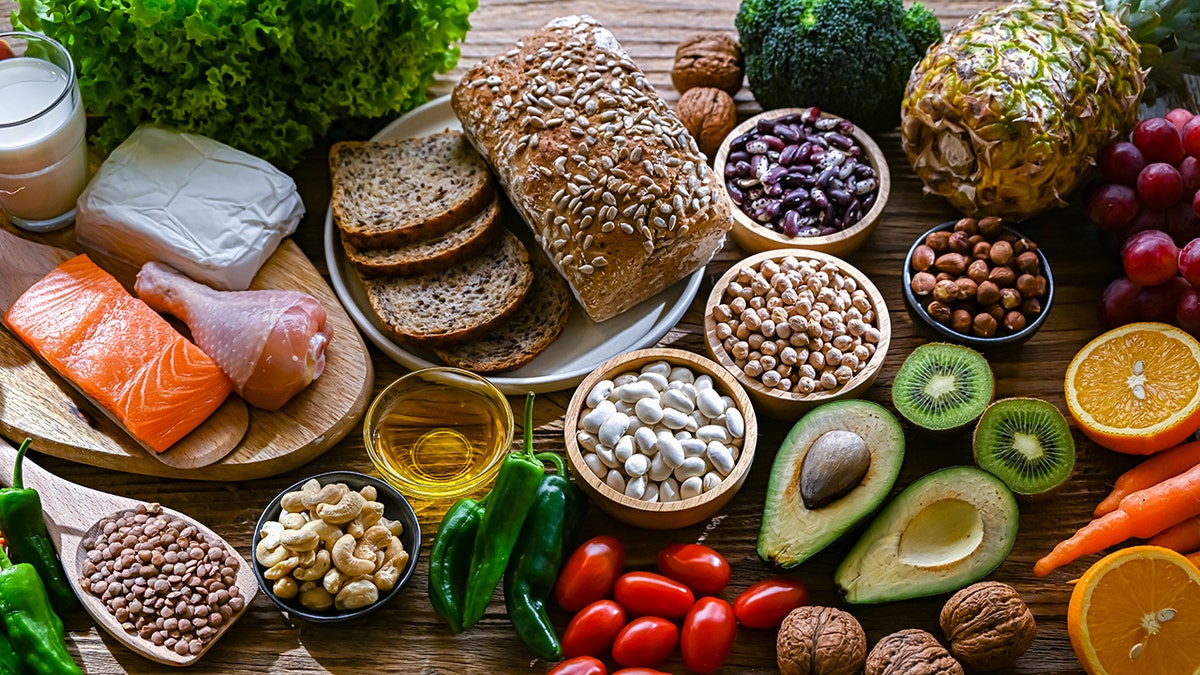
Researchers are studying how diet, including nutrients such as cysteine found in high-protein foods, may help support recovery from pancreatic cancer treatments. (iStock)
Additional unpublished research showed benefits after treatment with 5-fluorouracil, a chemotherapy drug used for colon and pancreatic cancers. Researchers emphasized that human studies are still needed and that cysteine is not a cure for cancer itself.
No. 4: Alcohol and lifestyle factors may raise cancer risk
Recent research published in PLOS Medicine by the International Agency for Research on Cancer found that alcohol consumption is associated with an increased risk of pancreatic cancer.
CLICK HERE TO SIGN UP FOR OUR HEALTH NEWSLETTER
The study followed 2.5 million people for about 16 years, finding that each additional 10 grams of ethanol consumed per day was linked to a 3% increase in risk. Higher intake levels were associated with greater risk, particularly with beer and spirits.
CLICK HERE TO DOWNLOAD THE FOX NEWS APP
Researchers noted that the study was observational and that more work is needed to understand lifetime drinking patterns.
No. 5: Symptoms are often subtle and easily missed
When symptoms do occur, they can include abdominal pain that spreads to the sides or back, loss of appetite and unexplained weight loss, according to Mayo Clinic.
Some patients develop jaundice — yellowing of the skin and whites of the eyes — along with light-colored or floating stools, dark urine and itching.

Common warning signs of pancreatic cancer can include abdominal pain, unexplained weight loss and loss of appetite. (iStock)
Other possible signs include a new diagnosis of diabetes (or diabetes that becomes harder to control), pain and swelling in an arm or leg that may be linked to a blood clot, and persistent tiredness or weakness.
Those who are experiencing symptoms should consult with a healthcare professional.
No. 6: Age, genetics and health conditions can raise risk
Pancreatic cancer risk is influenced by a combination of genetic, medical and lifestyle factors.
The disease becomes more likely with age, and men are slightly more susceptible, according to the ACS. Those with a family history or inherited genetic mutation also have a higher risk, as do people with type 2 diabetes, obesity and lack of physical activity.
CLICK HERE FOR MORE HEALTH STORIES
Diets high in processed or red meats and low in fruits and vegetables, as well as high alcohol consumption, may also contribute to pancreatic cancer risk, along with some occupational chemical exposures, per multiple cancer agencies.
Experts note, however, that many people are diagnosed with the disease despite having no clear risk factors.
Ashley J. DiMella, Angelica Stabile, Deirdre Bardolf, and Alex Nitzberg contributed reporting.

