


NEWYou can now listen to Fox News articles!
Cannabis has been linked to some significant medical benefits, but recent research calls those into question.
A major new analysis published in JAMA examined more than 2,500 scientific papers from the last 15 years, including other reviews, clinical trials and guidelines focused on medical marijuana.
“While many people turn to cannabis seeking relief, our review highlights significant gaps between public perception and scientific evidence regarding its effectiveness for most medical conditions,” Dr. Michael Hsu of University of California – Los Angeles (UCLA) Health Sciences, author of the study, said in a press release.
Many medical claims about cannabis are not supported by strong scientific evidence, according to a comprehensive review published in JAMA. (iStock)
The researchers — led by UCLA with contributions from Harvard, UC San Francisco, Washington University School of Medicine and New York University — set out to determine how strong the research is on the effectiveness of medical cannabis and to offer evidence-based clinical guidance.
MYSTERIOUS MARIJUANA-LINKED VOMITING DISORDER GETS OFFICIAL WHO CODE AS ER CASES JUMP
The review found that evidence supporting most medical uses of cannabis or cannabinoids is limited or insufficient, the release stated.
There are very few conditions for which cannabinoid therapies have clear, well-established benefits backed by high-quality clinical data, according to the researchers.
HEAVY DRINKERS CUT ALCOHOL USE BY NEARLY 30% AFTER ADOPTING ONE NEW HABIT, STUDY FINDS
The strongest evidence supports FDA-approved cannabinoid medications for treating specific conditions, including HIV/AIDS-related appetite loss, chemotherapy-induced nausea and vomiting, and certain severe pediatric seizure disorders.
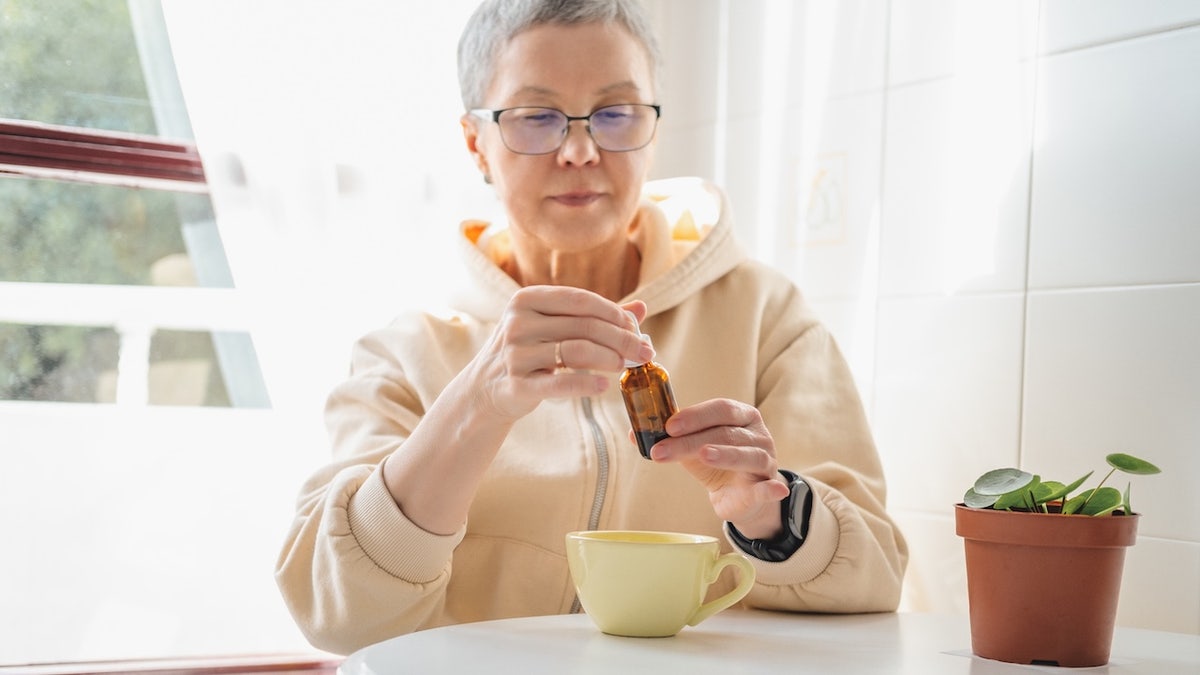
The review identified significant safety concerns, with high-potency cannabis use among young people linked to higher rates of mental health issues. (iStock)
For many other conditions that are commonly treated with cannabis — such as chronic pain, insomnia, anxiety or post-traumatic stress disorder — evidence from randomized trials did not support meaningful benefit.
CLICK HERE TO DOWNLOAD THE FOX NEWS APP
The analysis also examined safety concerns — in particular, how young people using high-potency cannabis may be more likely to suffer higher rates of psychotic symptoms and anxiety disorder.
Daily inhaled cannabis use was also linked to increased risks of coronary heart disease, myocardial infarction (heart attack) and stroke when compared with non-daily use.
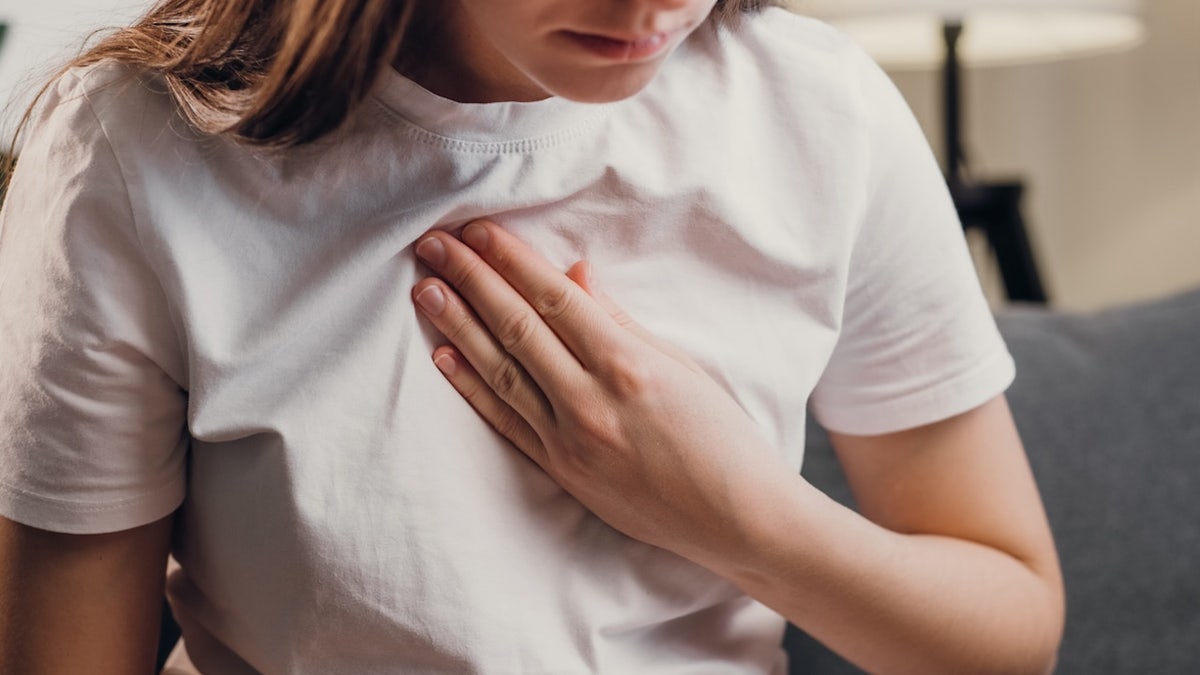
Daily inhaled cannabis use is associated with increased cardiovascular risks, including coronary heart disease, heart attack and stroke. (iStock)
Based on these findings, the review emphasizes that clinicians should weigh potential benefits against known risks when discussing cannabis with patients.
CLICK HERE FOR MORE HEALTH STORIES
The authors suggest that clinicians screen patients for cardiovascular risk, evaluate mental health history, check for possible drug interactions and consider conditions where risks may outweigh benefits.
CLICK HERE TO SIGN UP FOR OUR HEALTH NEWSLETTER
They recommend open, realistic conversations and caution against assuming that cannabis is broadly effective for medical conditions.

The review highlights the need for caution, urging clinicians to weigh risks, screen patients appropriately, and avoid assuming cannabis is broadly effective. (iStock)
“Patients deserve honest conversations about what the science does and doesn’t tell us about medical cannabis,” Hsu said.
This article is a narrative review rather than a systematic review, so it did not use the strict, standardized methods that help reduce bias in how studies are selected and evaluated, the researchers noted.
TEST YOURSELF WITH OUR LATEST LIFESTYLE QUIZ
The review notes further limitations, including that some evidence comes from observational research rather than randomized trials, which means it cannot establish cause and effect.
The trial results also may not apply to all populations, products or doses.

