


Last Updated:
The committee- chaired by NITI Aayog member and former Cabinet Secretary Rajiv Gauba- outlined a framework that prioritises trust, transparency and ease of doing business.

The committee recommended turning registrations into simple database entries rather than permissions that could be granted or denied.
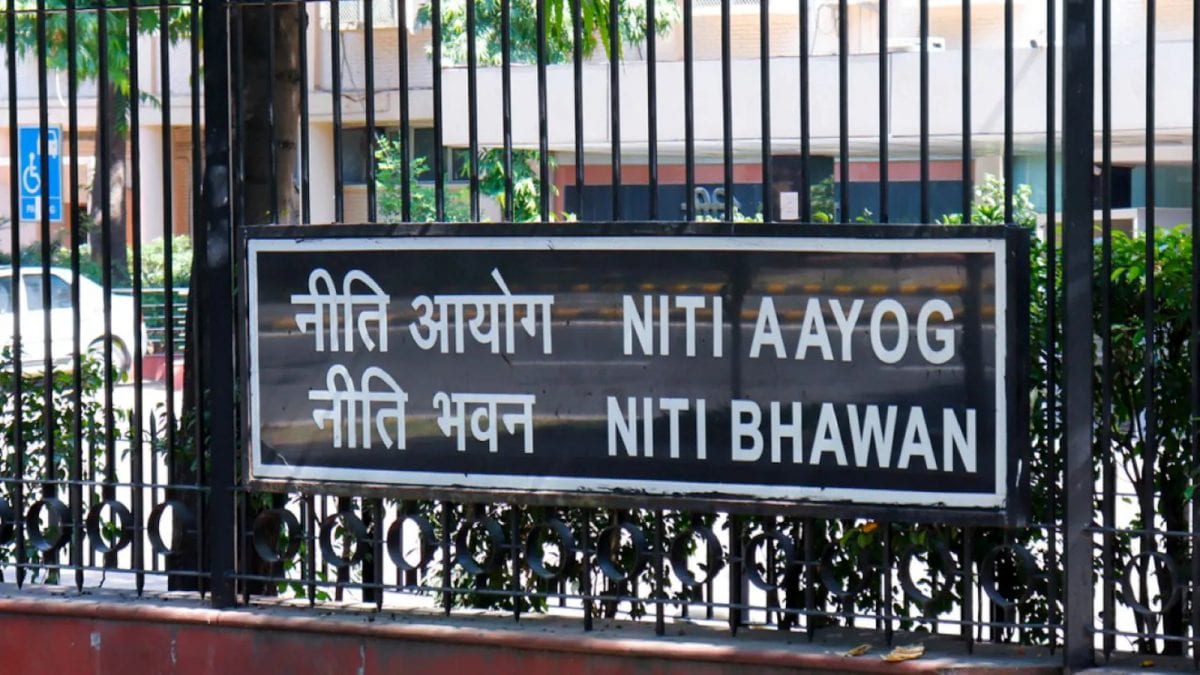
A high-powered committee under NITI Aayog recommended an ambitious redesign of India’s regulatory machinery, proposing the removal of cumbersome licensing systems, unpredictable rule changes and discretionary inspections. The committee- chaired by NITI Aayog member and former Cabinet Secretary Rajiv Gauba- outlined a framework that prioritises trust, transparency and ease of doing business, according to a report by Moneycontrol. Its proposals form the backbone of the Jan Vishwas Siddhant, a reform philosophy that emphasised predictable policies, streamlined compliance and a shift to risk-based oversight.
Why Scrap Licences And Permits?
The panel argued that licences, permits and NoCs should be required only in situations involving significant risks, such as national security concerns, threats to public safety, harm to human health or environmental impact. As Moneycontrol reported, the committee said that any activity not explicitly restricted by law should be free from prior government permission. It stated that compliance norms must be graded according to risk, so that low-risk activities were not throttled by bureaucracy.
Should Registrations Be Automatic?
Yes, the committee recommended turning registrations into simple database entries rather than permissions that could be granted or denied. The panel said, as per the report, that registrations should rely on self-declaration with minimal documentation. It proposed that most licences, permits and NoCs should carry perpetual validity, while those involving higher risks could have validity periods of five or ten years. These changes, the committee maintained, would reduce delays, limit discretion and offer regulatory predictability.
Will Minor Violations Continue To Attract Criminal Charges?
No. The committee proposed decriminalising minor, procedural or technical violations. Criminal penalties, including imprisonment, should be reserved only for serious offences relating to national security, public order, human health, environmental harm or fraud. Punishments should be proportionate to the severity of the offence, the panel recommended.
Delhi, India, India
November 26, 2025, 09:30 IST
Read More

