



A mother’s bond is often described as a connection of souls, a relationship that transcends physical borders, time, and the definitions of love. While poets have spent centuries weaving paragraphs about this invisible string, science has discovered a tangible one.Recent research into microchimerism reveals that the connection between a mother and child isn’t just emotional; it is cellular. Even decades after birth, or long after a loved one has passed, a part of them remains physically alive within the other. This has inspired numerous trending posts on social media forums. “Your mother is always with you, even if she is no longer in this world,” captioned one post. “You have your mother’s cells in your brain right now. If she ever carried you, yours are in hers,” claimed another.
The magic of microchimerism
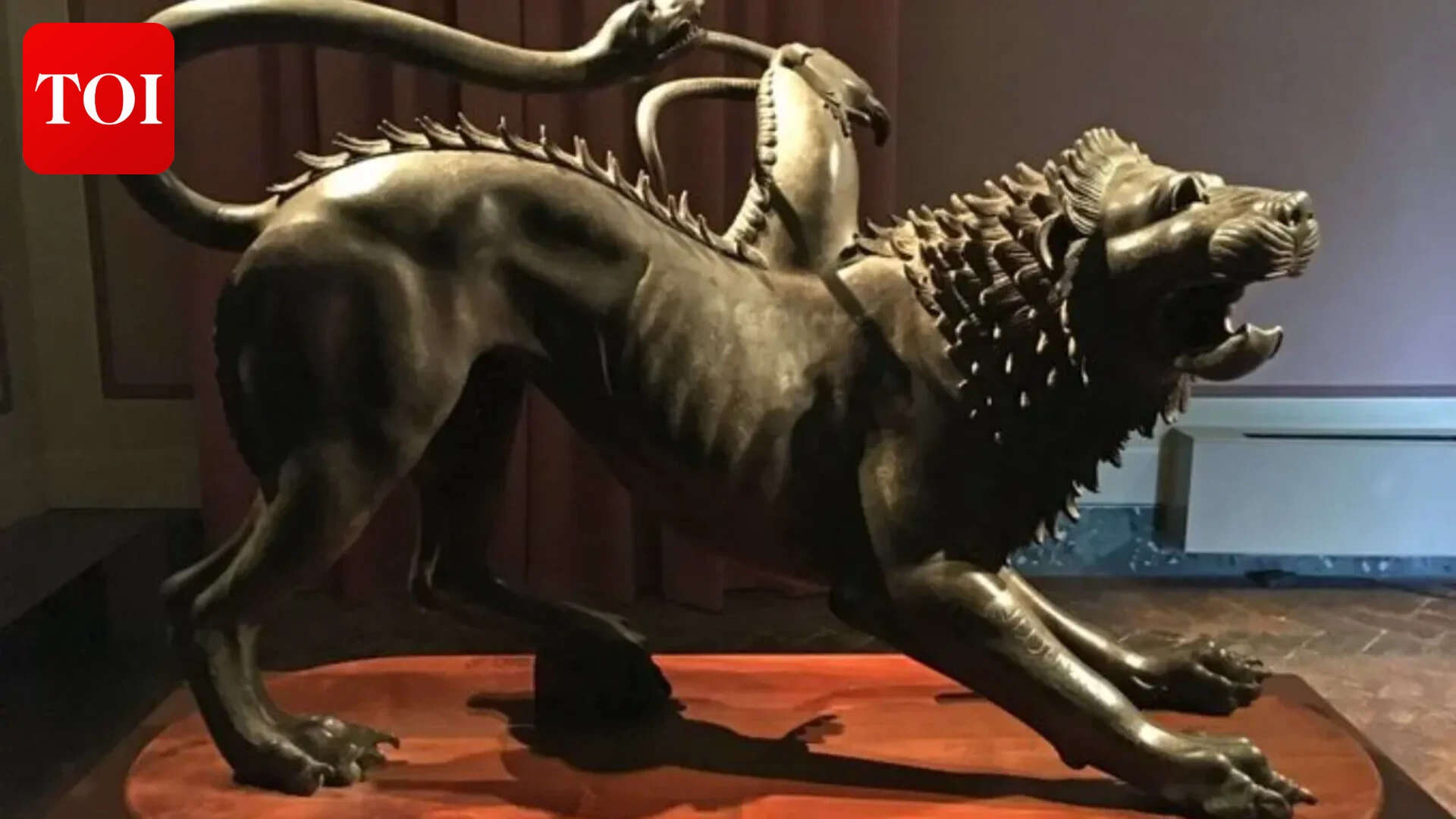
Popularly known as fetal microchimerism, this process was defined by the scientists back in the 1990s. Named after the Chimera, a monster from Greek mythology that was part lion, goat and dragon, it revealed that cells from both sons and daughters can escape from the uterus and spread through a mother’s body. These cells primarily consist of leukocytes and stem cells. A 2015 experiment carried out by a team of pathologists at Leiden University Medical Centre in the Netherlands collected tissue from 26 women who had died during or just after pregnancy. All of them had been carrying sons and thus the team checked for Y chromosomes. The scientists published the research in the journal Molecular Human Reproduction and found cells with Y chromosomes in every tissue sample they examined. While these made up only one in about 1000 cells, they were present in every organ the experts studied: brains, hearts, kidneys and others. After delivery, between 50 and 75% of women carry their child’s cells. During pregnancy, up to 6% of a woman’s blood DNA comes from the baby.
A part of her heart and forever
These cells are not passive passengers; they are active participants in a mother’s health. They act like a biological “repair kit” that the child leaves behind.Studies in female mice show that fetal cells that reach the heart develop into cardiac tissue. “They’re becoming beating heart cells,” said Dr. J. Lee Nelson, an expert on microchimerism at the Fred Hutchinson Cancer Research Center in Seattle to the New York Times. In 1996, Diana Bianchi, a geneticist at Tufts Medical Center, found male fetal cells in a mother’s blood 27 years after she had given birth. In a 2012 study, Dr Nelson and her colleagues examined the brains of 59 deceased older women and found Y chromosomes in 63% of them. The process not only shapes the offspring’s immune system but also facilitates the transfer of immune memory across generations along with addressing immunodeficiencies in the child. Not just the mother, the child also inherits more than just DNA from their mother. A mother’s cells also cross into the babies with approximately one in every million cells belonging to the mother. Considering humans are composed of nearly 30 trillion cells, this means they all contain millions of their mother’s cells.A 2022 study published in Nature Communications found that in developing mouse brains, a mother’s cells controlled the brain’s immune cells, preventing them from cutting too many connections between brain cells. Meaning, the mom’s cells helped wire the offspring’s brain even before it was born.
Mothers birth warriors
In a way, the cells that a mother inherits from her child help her survive numerous health problems in her lifetime. In 2011, researchers from Mount Sinai School of Medicine found that fetal stem cells can help the maternal heart recover after a heart attack or other injury. Fetal stem cells from the placenta migrate to the heart of the mother and gather at the site of the injury. These cells then reprogram themselves as beating heart stem cells to aid in their repair. Not just heart attack, these cells also protect a mother from cancer. A 2015 study published in The AAPS Journalcompared healthy women to women with breast cancer. 85% of the healthy group still carried their children’s cells while only 64% of the breast cancer group did.
A fight worth surrender
These lingering cells posed a puzzle for immunologists since ideally, the immune system should be attacking the foreign cells. A team led by pediatric infectious disease specialist Sing Sing Way of Cincinnati Children’s Hospital Medical Center experimented in mice.The researchers found that the cells in mice were associated with both immune activity and expansion of regulatory T-cells- the cells that tell the immune system that everything is copacetic. However, when the T-cells were removed, the tolerance of the maternal cells disappeared. This process doesn’t just stop at two people, it stacks across generations. A woman may carry cells from her children, her own mother, and even her grandmother. You are quite literally built from the people who loved you. Even when they leave this earthly realm, they remain stitched into your very biology, a cellular promise that you will never, ever be truly apart.

