


Ministers caution that future price increases might be likely and current fuel supply should be responsibly used
The federal government urged the public on Saturday to adopt further austerity measures in daily life and to cooperate with the authorities in conserving energy in light of the fuel crisis created by the conflict in the Middle East.
Two weeks ago, the government sharply increased diesel and petrol prices by Rs55 per litre or 20% — due to the ongoing US-Israel and Iran war, which has disrupted supply chains and pushed crude oil prices to two years’ highest level.
The increase in petrol prices was more than the surge in the international market, as the government chose to collect more money than required from motorcyclists and car owners to subsidise the use of diesel, mostly by the public transport and the agriculture sector. However, the prime minister announced last night that the federal government had twice now absorbed the burden of the fuel price increases instead of passing it on to the public.
Both federal and provincial governments have since introduced a range of austerity steps, including an additional weekly holiday, cutting free petrol allocations for ministers, limiting protocol vehicles, and proposing subsidised fuel for students.
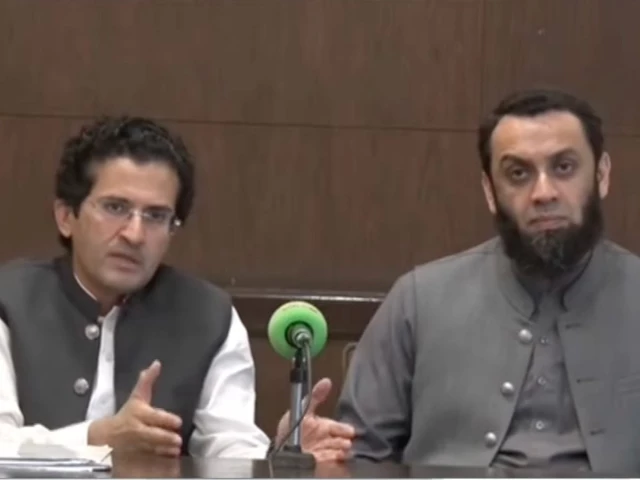
Addressing a press conference today, Information Minister Attaullah Tarar and Petroleum Minister Ali Pervaiz Malik called on the public to step ahead and implement more austerity measures to cooperate with the government in conserving fuel.
The ministers urged citizens to play a responsible role in conserving energy. Tarar advised the public to adopt carpooling, avoid unnecessary travel and utilise smaller, more fuel-efficient vehicles. Malik echoed this sentiment, suggesting options such as working from home and transitioning universities to e-learning to save imported fuel.
They cautioned that future price increases might be likely and said the country’s current fuel reserves should be responsibly consumed, warning that the state’s continuous absorption of skyrocketing global oil prices is unsustainable in the long run.
The two revealed that the government absorbed a financial shock of Rs69 billion over the past two weeks to shield the masses from a massive hike in petroleum prices.
“The time has come to decide whether our limited resources should be used to protect the affluent or the vulnerable man who works day and night on a motorcycle to feed his children,” Malik said, highlighting the need to rethink blanket subsidies.
He explained that the conflict in the Gulf region had pushed crude oil prices to historic highs. He noted that prices surged from around $70 per barrel in late February to approximately $158 per barrel in recent days, while diesel prices jumped from $80 to over $200 per barrel globally.
The minister said that a proposed increase of Rs50 for petrol and Rs74 for diesel last week was absorbed using Rs24 billion generated through development budget cuts and austerity measures. This week, another proposed hike of Rs77 for petrol and Rs176 for diesel was halted, costing the exchequer an additional Rs45b.
“We have grounded 60 per cent of ministry vehicles, slashed petrol allowances by 50 per cent, and cut the salaries of cabinet members, parliamentarians, and government officers,” the petroleum minister stated. He added that the government “put its own house in order first” before turning to the public.
Highlighting the unsustainability of current interventions, Tarar noted that both the wealthy and the poor were currently benefitting from the frozen prices. He said the government aimed to devise a mechanism to ensure that future relief was strictly targeted towards low-income groups.
Despite global supply chain disruptions, the petroleum minister assured the nation that there was no impending fuel shortage. He credited the diplomatic efforts of the civilian and military leadership for securing uninterrupted crude oil supplies from Saudi Arabia and the United Arab Emirates, even amidst shipping disruptions in the Red Sea and the Strait of Hormuz.
The two cautioned that moving forward, a joint action plan involving provincial governments and citizens was imperative to navigate the economic fallout of the regional crisis.

