


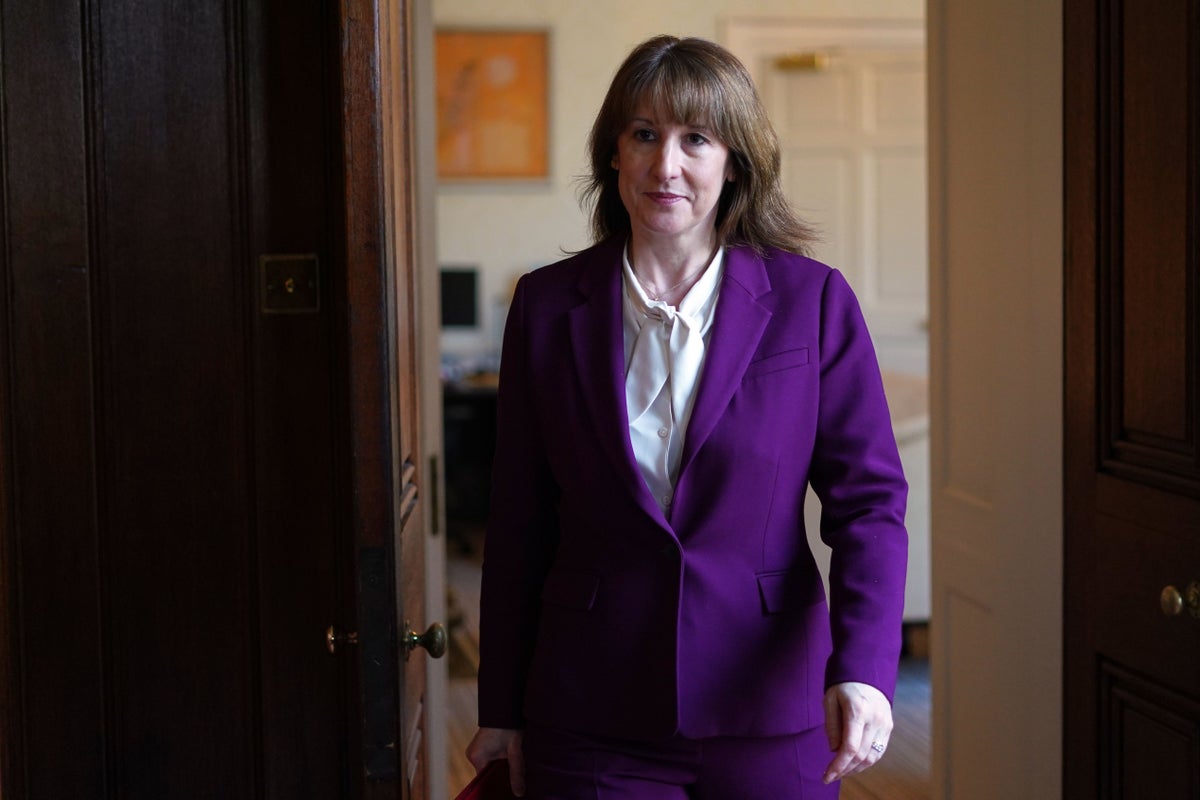
Chancellor Rachel Reeves told petrol retailers they had a “shared obligation” to keep prices down for motorists.
The Petrol Retailers Association (PRA) had threatened to pull out of the Downing Street meeting with Ms Reeves and Energy Secretary Ed Miliband after claiming the Government’s “inflammatory language” over rising fuel prices led to abuse against forecourt workers.
At the Downing Street meeting, Mr Miliband warned executives from the forecourt operators and firms including Asda, BP, ExxonMobil and Shell that the Government would not tolerate “unfair practices” in the industry.
The RAC said the average price for a litre of unleaded had risen by 8p since the start of the crisis, with the cost now its highest for 18 months.
The Chancellor hosted industry chiefs in 11 Downing Street on Friday in response to rising concern about the impact of the Middle East crisis on household finances.
Ms Reeves thanked the petrol bosses for their co-operation, but told them she wanted an “open and frank conversation” with them.
She said: “We have concerns around the high prices and we do have a shared obligation.”
Mr Miliband told them: “We have said so clearly that we won’t tolerate unfair practices either here or anywhere else in the industry. It is out obligation as the Government to ensure the consumers are treated fairly in this crisis.”
Before the meeting, Gordon Balmer of the PRA raised concerns that recent language from the Government was driving abuse against fuel retail staff by members of the public “following several days in which ministers have suggested that forecourts may be ‘price gouging’ and ‘ripping off’ the motorist”.
The PRA later said it would take part in the meeting after assurances from the Treasury that it would be held largely in private, which the group said would “allow a conversation to explain how the fuel market works”.
Following the talks, Mr Balmer said it had been “constructive”, but there had been no apology for the “inflammatory language” from ministers.
He said: “The meeting went very well. We engaged in constructive discussion with the Government on this and we are working collaboratively with them.”
Ms Reeves has asked the competition watchdog to “crack down” on “rip-off” fuel prices to guard against profiteering over the high oil prices due to the Iran war.
The Government has already promised to intervene if companies engage in “unfair” practices that would hit customers facing a rise in the price of home heating oil, which is not covered by Ofgem’s energy price cap.
However, the AA warned that motorists “will be stung” with inevitable rising costs because of a global hike in prices, and called on Ms Reeves to delay a planned increase in fuel duty.
The Chancellor has faced opposition pressure to abandon her decision to gradually phase out a 5p cut to the levy, starting with a 1p increase from September this year.
The RAC said the average litre of unleaded had risen from 132.83p to 140.60p.
The motoring organisation’s head of policy, Simon Williams, said: “Households, especially those that depend on the car, are under increasing financial pressure as a result of the conflict in the Gulf.
“The average price of a litre of unleaded has now risen by 6%, or nearly 8p, to 140.6p since the start of the conflict and is it at its highest in 18 months. Diesel has rocketed by 12% – or almost 17p – to 159.2p a litre, a price we’ve not seen since November 2023. Filling a family car is now £4 and £9 more than it was less than two weeks ago.
“The fact the cost of a barrel of oil has exceeded 100 US dollars and wholesale fuel prices continue to rise is concerning, but it’s the speed at which drivers are feeling the effects which is under the spotlight now.
“Drivers deserve – and should expect – to be treated fairly when it comes to filling up, especially with pump prices still heading north. We therefore hope the meeting between the fuel industry and government on this important issue is productive.”
Prime Minister Sir Keir Starmer has since said the Government will keep the situation “under review” in light of the Middle East conflict.
Kemi Badenoch claimed that she had spoken to some energy companies several weeks ago and “the words they had to say about Rachel Reeves, the Chancellor, were unprintable.”
During a visit to Essex, the Tory leader said: “She is the one who is doing the price gauging right now.”
Mrs Badenoch reiterated calls for the Chancellor to scrap the “stupid” planned increase in fuel duty, which she said was “the last thing we need,” and said the UK should “start drilling” in the North Sea.
On Thursday, the Competition and Markets Authority warned it was putting fuel retailers “on notice” of plans to step up monitoring of petrol and diesel prices in light of the Middle East uncertainty.
The Government has said drivers can compare prices at different petrol stations across the UK through its Fuel Finder service.

