


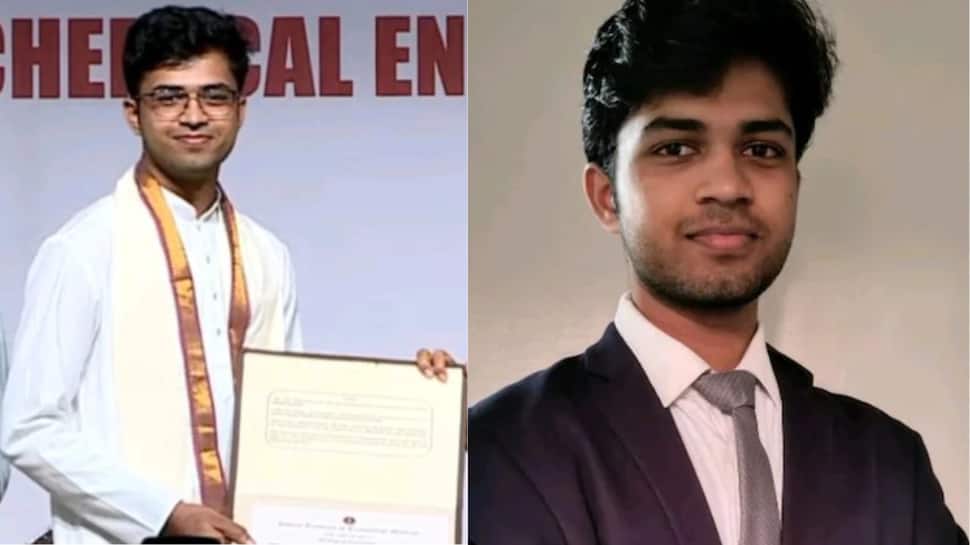
New Delhi: The recent death of a 22-year-old Indian student, Saketh Sreenivasaiah, in California has raised serious concerns about the psychological toll faced by high-achieving students living far from home. In the days leading up to his disappearance, those around him noticed troubling behavioural changes that pointed to emotional distress many international students quietly endure.
According to his college roommate, the student had begun eating and speaking less, sleeping poorly, and withdrawing socially. For nearly two weeks, he reportedly survived on snacks like chips and cookies. The roommate also recalled an unsettling moment when he attended class wearing a bathrobe and remarked, “I’ve stopped caring… I don’t care what anyone thinks.”
Earlier, he had invited his roommate to visit Lake Anza, a place that would later become central to the investigation. What seemed like casual behaviour at the time is now being viewed through the lens of emotional burnout and detachment.
While authorities have not released full details regarding the cause of death yet, mental health professionals say the case reflects a broader and deeply concerning pattern among talented students navigating unfamiliar cultures without strong support systems.
Why high achievers are especially vulnerable to burnout
Q. How do brilliant people face burnout?
A. Dr Samant Darshi, Interventional Psychiatrist at Yatharth Hospitals, Noida, explains, “Gifted people can burn out when passion turns to pressure and perfectionism becomes more valued than rest. Instead of ignoring the burnout, gifted people reassess their values, practice saying no, and schedule rest as they would any other significant activity.”
He reveals that they learn to delegate, reduce distractions, and rediscover their sense of purpose separate from their achievements. Many gifted people find value in mindfulness, physical activity, and seek out mentors or therapists to assist them in gaining perspective. Success is found in achieving a balance between ambition and taking care of oneself, understanding that rest is necessary for creativity, clarity, and excellence.
Preparing emotionally before moving abroad matters
Experts stress that academic readiness alone is not enough when relocating to a different country.
Q. Can you share tips for students going abroad to study or work, on how to prep for surviving in a different culture?
A. Dr Darshi says, “Before going abroad to study, it is important to be emotionally and physically ready. Learn about the culture, educational standards, and common expressions in the native language before you go on your adventure. Get involved in student groups, attend university orientation events, and develop a routine early on to reduce the effects of culture shock. Approach unfamiliar circumstances with an open mind instead of a critical one.”
Loneliness is one of the biggest triggers
Leaving behind familiar relationships can intensify feelings of isolation, especially for students used to strong family networks.
Q. How to Battle loneliness?
A. “To overcome feelings of loneliness, keep in touch with loved ones but don’t cut yourself off from the local community. Explore your new town each week, build a broad social circle, and turn to university resources whenever you need assistance,” he says.
Asking for help is not weakness, it is survival
Mental health professionals emphasise that many students delay seeking support because they fear appearing weak or incapable.
Q. How to reach out for help when battling depression
A. When struggling with depression, it can be difficult to reach out, but reaching out is crucial. First, tell someone you trust that you are having trouble. You can simply say, “I am not doing well and need help.” Call a counselor, therapist, or mental health hotline to get assistance. Write down your feelings if talking is too much. Reaching out for help is not a sign of weakness; it is a sign of strength.
A promising life and career cut short
Sreenivasaiah, originally from Karnataka, was pursuing Chemical and Biomolecular Engineering at University of California, Berkeley. He had previously studied at Indian Institute of Technology Madras and had attended Bengaluru’s Sri Vani Education Centre for his schooling. He was recognised as one of six inventors to hold a patent for a “microchannel cooling system for hyperloop and a method thereof,” according to his LinkedIn profile.
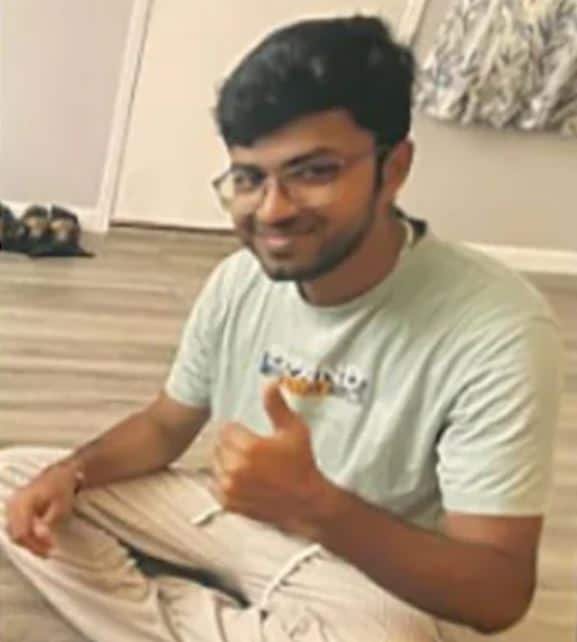
Friends remember him as intelligent, humorous, humble, and deeply loyal, a young man whose outward success masked an internal struggle that many never saw.
After he was reported missing on February 9, search efforts were conducted around the Berkeley Hills and Tilden Regional Park, where his belongings were later discovered. His body was found on February 14, bringing a six-day search to a close, as per Hindustan Times.
Authorities and diplomatic officials, including the Ministry of External Affairs and the Consulate General of India, San Francisco, coordinated with local agencies to assist the family and arrange necessary formalities.
Mental health experts say this tragedy is a reminder that achievement does not protect against emotional exhaustion. In fact, the very traits that drive excellence, perfectionism, resilience, and relentless ambition, can also make individuals less likely to admit when they are struggling.
For students moving abroad, preparation must go beyond academics to include emotional resilience, community-building, and the courage to seek help early.
(This article is based on information available in the public domain and on input provided by experts consulted.)
(Discussions on suicides can be triggering for some. But suicides are preventable. If you are looking for help, some suicide prevention helpline numbers in India are 011-40769002 from Sanjivini (Delhi-based, 10 am – 5.30 pm) and 044-24640050 from Sneha Foundation (Chennai-based, 8 am – 10 pm), +91 9999666555 from Vandrevala Foundation (Mumbai-based, 24×7).

