


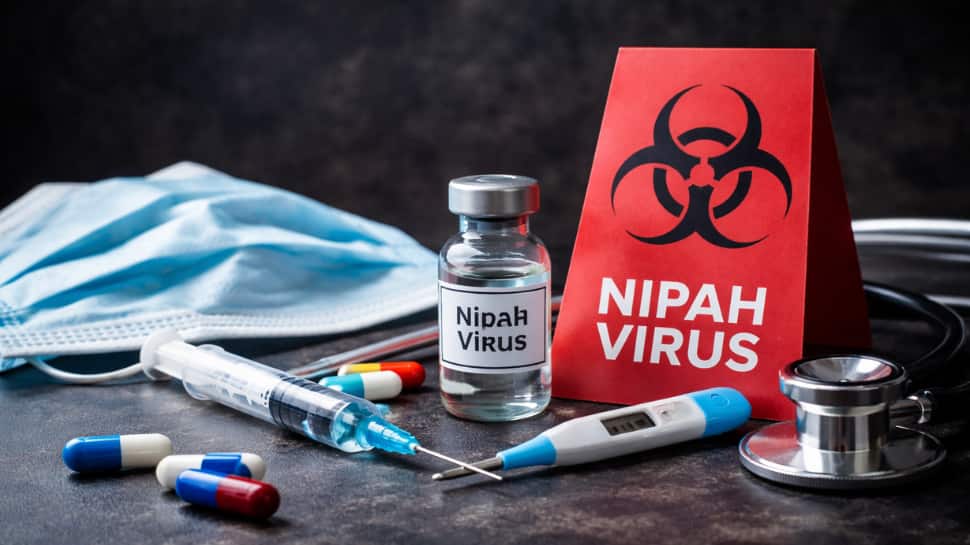
Recent public health alerts in India such as the Nipah virus outbreak in West Bengal and the bird flu cases reported in Bihar have once again shown how quickly viral infections can appear and spread. During such outbreaks, healthcare systems move into emergency mode, but the actions of individuals play an equally important role in controlling or worsening the situation.
Unfortunately, certain common mistakes made by people during viral outbreaks can increase the risk of infection and slow down recovery efforts.
Ignoring Early Symptoms
Many people take early signs like mild fever, headache, or tiredness lightly, assuming it is just a seasonal illness. Ignoring these warning signs can delay diagnosis and treatment. It also increases the chance of spreading the virus unknowingly to family members and others around them.
Delaying Medical Consultation
Fear, denial, or the thought of “waiting it out” often causes people to delay visiting a doctor. This delay can make the illness more severe and reduce the effectiveness of treatment. It also makes it harder for health authorities to trace contacts and stop the outbreak from spreading further.
Self-Medicating Without Advice
Using home remedies or over-the-counter medicines without consulting a doctor is a common mistake. Self-medication may hide symptoms, cause side effects, and delay proper diagnosis. This makes it difficult for doctors to identify serious viral infections like Nipah at an early stage.
Believing Online Misinformation
During outbreaks, false information spreads rapidly on social media. Trusting unverified messages, rumors, or fake cures can lead to unsafe practices, panic, stigma, or refusal to follow medical advice. This weakens public health efforts and increases the risk of transmission.
Avoiding Testing and Screening
Some people avoid medical tests due to fear of isolation or social judgment. Skipping testing allows infections to go unnoticed, leading to silent spread within the community. Timely testing is essential to understand the scale of the outbreak and control it effectively.
Neglecting Basic Hygiene
Poor hand hygiene, improper use of masks, and unsafe food practices can significantly increase infection risk. Simple preventive steps, when ignored, can turn routine daily activities into opportunities for virus transmission especially in crowded or high-risk areas.
Resisting Quarantine Guidelines
Quarantine and isolation are often seen as inconvenient or unnecessary. However, refusing to follow these guidelines increases exposure to others and puts vulnerable people at greater risk. Following quarantine rules is one of the most effective ways to break the chain of infection.
Viral outbreaks like Nipah are not just medical challenges they are tests of public awareness and responsibility. Small, informed actions such as seeking timely medical help, following hygiene practices, and trusting verified health advice can make a big difference. By avoiding these common mistakes and cooperating with health authorities, individuals can help protect themselves, their families, and the wider community during times of health crisis.
(This article is meant for informational purposes only and must not be considered a substitute for advice provided by qualified medical professionals. Always seek the advice of your doctor with any questions about a medical condition.)

