


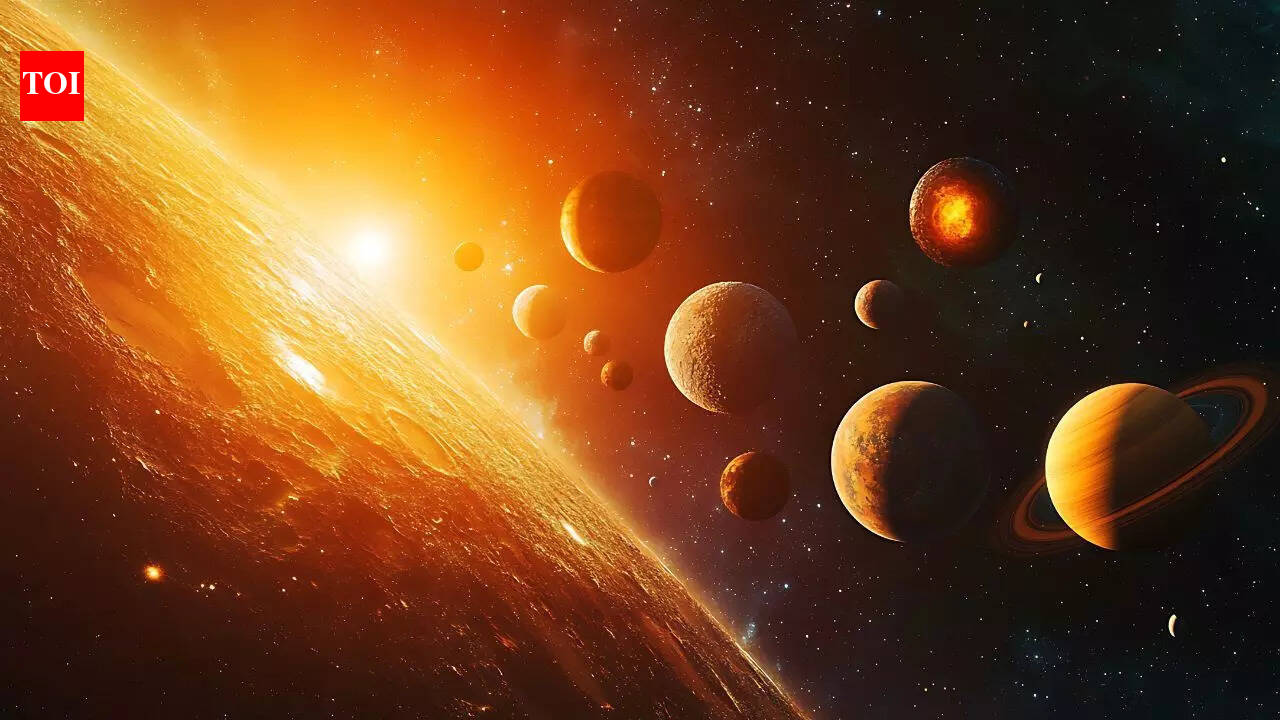
We have all been taught in school that planets revolve in the same direction as the Earth, i.e., in the counterclockwise direction. However, the universe never ceases to amaze us with its unexpected phenomena. Two planets in our solar system revolve in the opposite direction, i.e., in the clockwise direction, and they are Venus and Uranus.This is an unusual motion among planets and is referred to as retrograde rotation. These planets are fascinating in many ways due to their unusual rotational motion. The unusual rotations impact everything from the length of the day to the intensity of the seasons on these planets. These planets remind us that space doesn’t always follow simple rules. Sometimes, the most interesting facts are the ones that break expectations.
What does clockwise rotation mean in space
Most planets, including Earth, rotate counterclockwise when viewed from above the Sun’s north pole. This is considered the “normal” direction of rotation because it matches the way the solar system formed.A rotation in the clockwise direction simply means the planet rotates the other way, a thing that happens in only rarest of the cases.
Does Venus spin clockwise
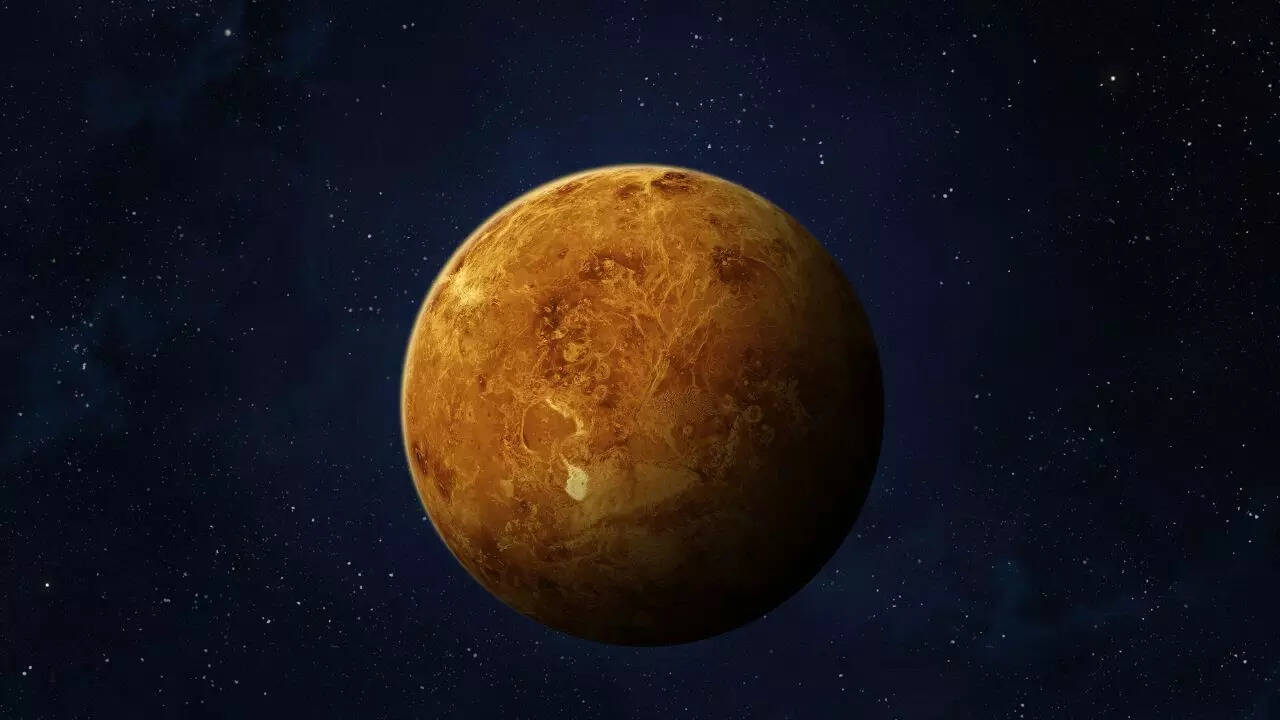
As per NASA, Venus is one of the planets with a clockwise rotation. Venus spins retrograde, which means that the Sun rises in the west, setting in the east. This is the most interesting part: One day on Venus is longer than its year.It is thought that this retro-rotation might be caused either by massive collisions or the effect of gravity in the early stages of the existence of this planet. This peculiar feature is, in turn, one of the causes of the hot weather and the thick atmosphere of the planet known as Venus.
Does Uranus spin clockwise or counterclockwise
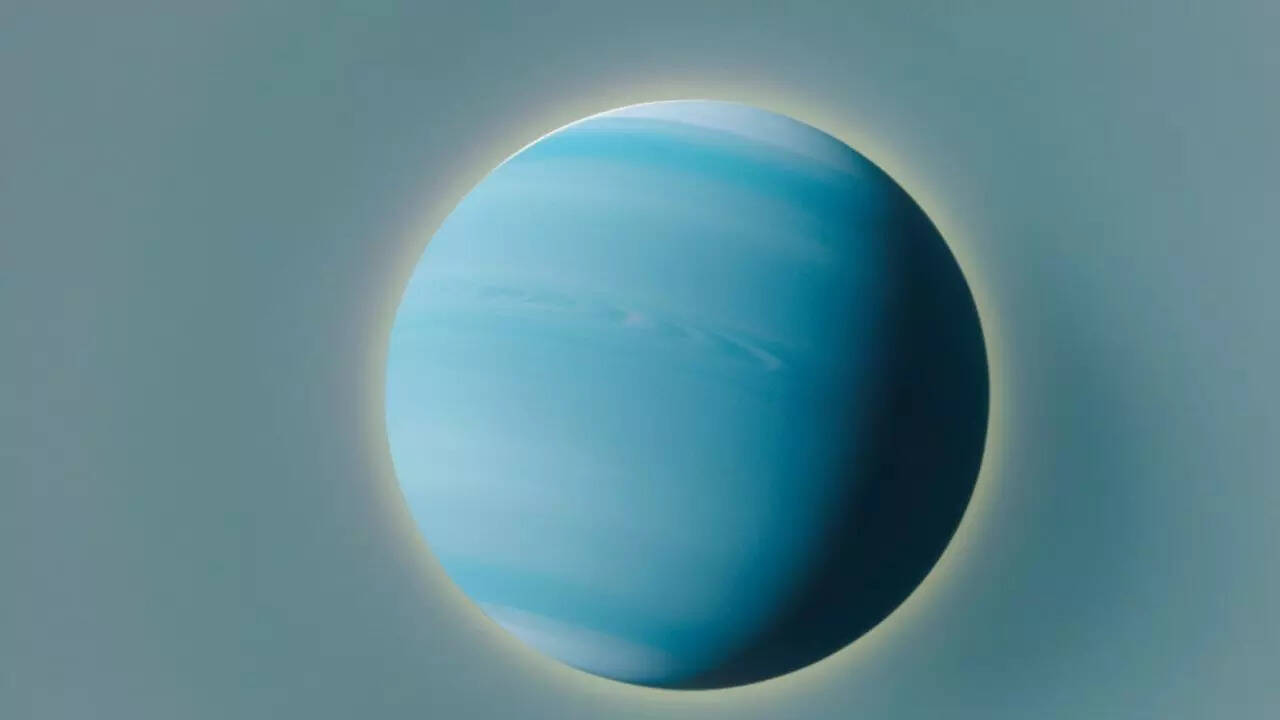
Uranus is the second planet in our solar system to rotate in a clockwise direction, as per NASA, and this comes with a twist. Not only does Uranus have a retrograde rotation, but it’s also tilted on its side. What this means is that Uranus essentially rotates sideways as it revolves around the sun. The tilted rotation of Uranus results in seasons that are so harsh that each pole actually sees decades of sun.Large collisions must have placed Uranus in such an unusual manner, with respect to the tilt and the direction of its rotation.
Can planets change their rotation over time
Large asteroid impacts or collisions with other planetary bodies during the early stages of a solar system can change a planet’s spin direction or speed. This is what may have happened with Venus and Uranus.Even today, small changes can occur from gravitational interactions with nearby planets or moons, though these usually take millions or even billions of years. While a sudden flip is very unlikely today, a planet’s rotation is never completely permanent in the long-term view.
Why this planetary fact matters
This isn’t just a fun space fact; it helps scientists understand planet formation.Researching Venus and Uranus provides insights for astronomers on the development of planets and how violent their solar system was in the past. These unusual rotations also help scientists compare our solar system with newly discovered exoplanets.

