


Michelle RobertsDigital health editor
 Diabetes UK
All UK children could be offered screening for type 1 diabetes using a simple finger-prick blood test, say researchers who have been running a large study.
Currently, many young people go undiagnosed and risk developing a life-threatening complication called diabetic ketoacidosis that needs urgent hospital treatment.
Identifying diabetes earlier could help avoid this and mean treatments to control problematic blood sugar levels can be given sooner.
Some 17,000 children aged three to 13 have already been checked as part of the ELSA (Early Surveillance for Autoimmune diabetes) study, funded by diabetes charities.

 Diabetes UK
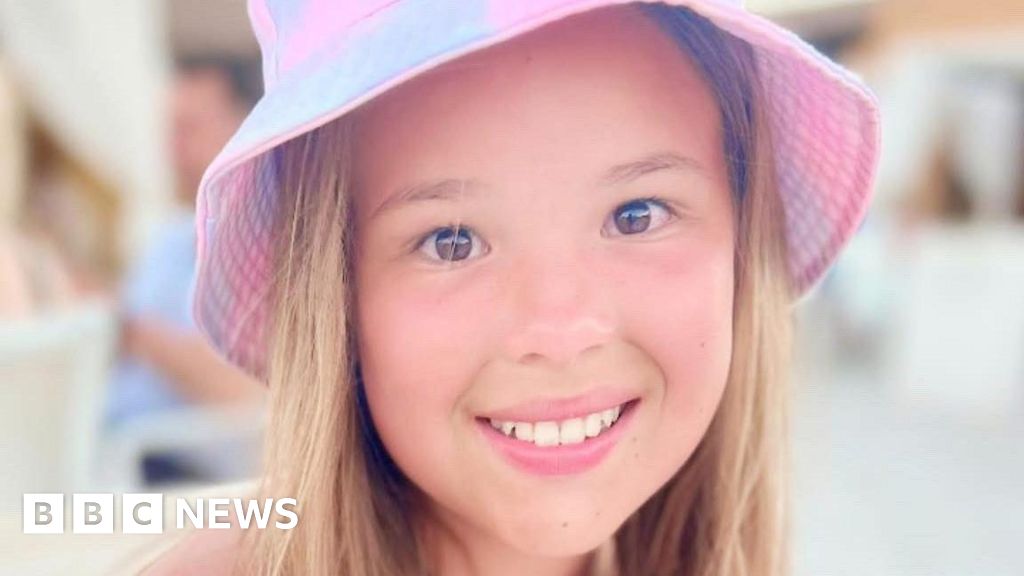
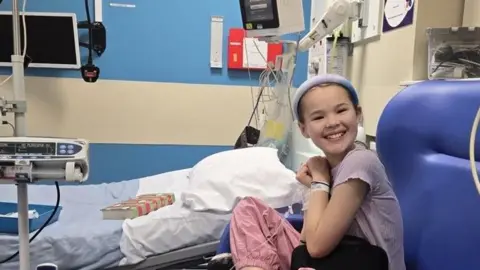
Imogen, who is 12 and from the West Midlands, is one of those found to have diabetes thanks to the screening.
Her mum Amy says knowing what’s coming, rather than being taken by surprise, has made a massive difference to their confidence and peace of mind.
“Imogen took part in the study to further research and help others, but it has helped her too – being forewarned is being forearmed.
“She was always going to develop type 1 diabetes, but through ELSA we’ve been able to slow down the process and prepare. We know what’s coming, but we’re not scared.”
Imogen is being given ongoing support to prepare her for what is to come.
Amy, who is 44 and has type 1 diabetes herself, is aware of the risks with the disease. She was diagnosed aged 13 after developing diabetic ketoacidosis.
“When I was diagnosed, I had no warning and ended up quite poorly in hospital,” she recalls.
Imogen is now trying a new type of drug designed to delay her diabetes. It’s an immunotherapy called teplizumab that helps calm her immune system to slow its attack of her pancreas.
In trials, the drug has been shown to delay the onset of diabetes by about three years, on average. It is not yet widely available on the NHS. Imogen is only the second child in the UK to get it.
How the diabetes screening test works
The finger-prick blood test checks for autoantibodies – proteins that the immune system makes which can attack the body’s own tissues.
In diabetes, these autoantibodies attack the pancreas – the organ which has the job of making insulin to control blood sugar.
Family history can increase your risk of type 1 diabetes and scientists believe some things in the environment, like viruses, play a role in triggering it.
Preliminary findings from ELSA in the 17,283 children, published in The Lancet Diabetes & Endocrinology journal and funded by Diabetes UK and Breakthrough T1D, show:
- 75 children had one autoantibody, signalling increased future risk of type 1 diabetes
- 160 had two or more autoantibodies but did not yet require insulin therapy, indicating early-stage type 1 diabetes
- 7 were found to have undiagnosed type 1 diabetes, with all needing to start insulin immediately
Children without autoantibodies are unlikely to develop type 1 diabetes.
Dr Elizabeth Robertson from Diabetes UK said: “For too many families, a child’s type 1 diabetes diagnosis still comes as a frightening emergency. But that doesn’t have to be the case.
“Thanks to scientific breakthroughs, we now have the tools to identify children in the very earliest stages of type 1 diabetes – giving families precious time to prepare, avoid emergency hospital admissions, and access treatments that can delay the need for insulin for years.”
Rachel Connor, from Breakthrough T1D, added: “The findings from ELSA’s first phase signal a major step towards a future in which type 1 diabetes can be detected early, managed proactively, and potentially delayed through immunotherapy.”
The next phase of the study – called ELSA 2 – will now expand the screening offer to children aged 2 to 17. The finger-prick test can be done at home, in school or at a GP surgery.
Several other countries are also exploring whether to introduce diabetes screening for children. Italy already has for those aged 1 to 17.
It would be up to UK ministers, advised by the National Screening Committee and studies like ELSA, whether to do the same.
Symptoms of type 1 diabetes
The NHS says the most common symptoms of type 1 diabetes are:
- peeing more than usual, especially at night
- feeling very thirsty and drinking more than usual
- feeling very tired
- losing weight without trying to or looking thinner
Children may have heavier nappies or they may start wetting the bed because they’re peeing more.

