



Starting a budget can feel overwhelming, especially if you’re new to managing your finances. The good news is, with a few simple hacks, anyone can take control of their money and build healthy financial habits. Budgeting doesn’t have to be restrictive—it’s about making smarter choices, reducing stress, and planning for the future.
Track Every Expense: Start by recording every penny you spend for at least a month. This helps you understand where your money goes and highlights areas for improvement. Use apps or spreadsheets to keep it simple and accurate. Awareness is the first step toward control. (Image: AI-generated)

Set Clear Financial Goals: Define what you’re budgeting for—emergency fund, debt repayment, or vacation. Clear goals give purpose to your budgeting and make it easier to stay motivated. Break large goals into smaller milestones to celebrate progress along the way. (Image: AI-generated)

Follow 50-30-20 Rule: Divide income into 50% needs, 30% wants, and 20% savings or debt repayment. This simple guideline helps beginners balance spending and saving. Adjust percentages slightly based on personal circumstances to maintain a realistic and flexible budget. (Image: AI-generated)

Automate Savings: Set up automatic transfers to a savings account each month. Automation ensures you save consistently without thinking about it. Even small amounts add up over time, making it easier to build an emergency fund or reach financial goals. (Image: AI-generated)

Cut Unnecessary Subscription: Review recurring subscriptions like streaming, apps, or memberships. Cancel services you rarely use. These small monthly savings can accumulate quickly, freeing up money for essentials or savings without feeling a significant lifestyle change. (Image: AI-generated)
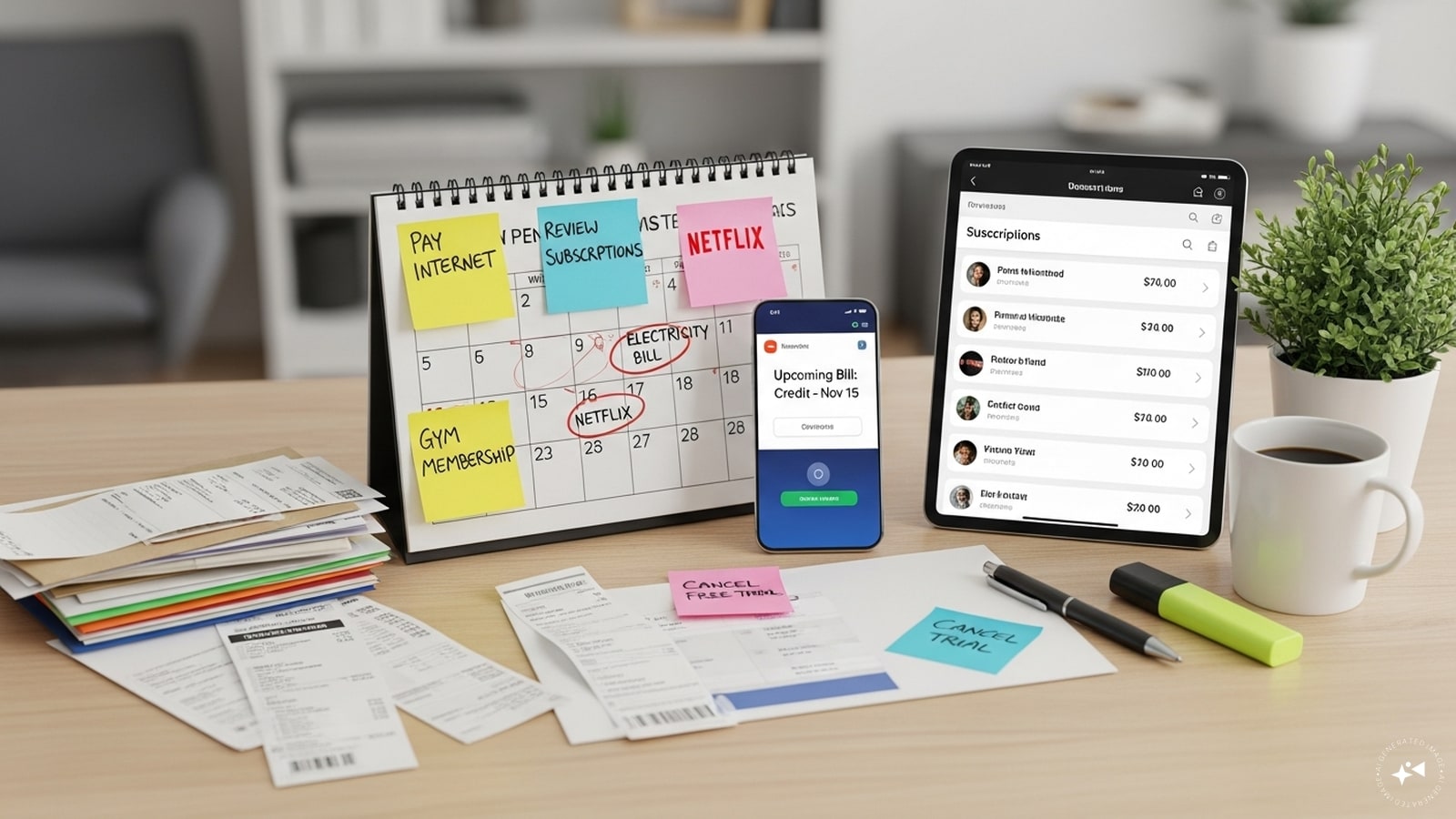
Track Bills: Set reminders for bills and subscriptions to avoid late fees. Timely payments keep your budget accurate and reduce unnecessary penalties. Using calendar alerts or automatic payments ensures you stay on top of financial obligations consistently. (Image: AI-generated)

Shop With A List: Whether grocery shopping or buying essentials, create a list and stick to it. Impulse purchases often disrupt budgets. Prioritizing needs over wants helps you save money while still getting what’s necessary each month. (Image: AI-generated)

Review Monthly: Budgeting isn’t static; review your spending every month. Track what worked and what didn’t, adjusting categories as needed. Regular evaluation ensures your budget remains realistic, helping you stay on track toward financial stability and growth. (Image: AI-generated)

