


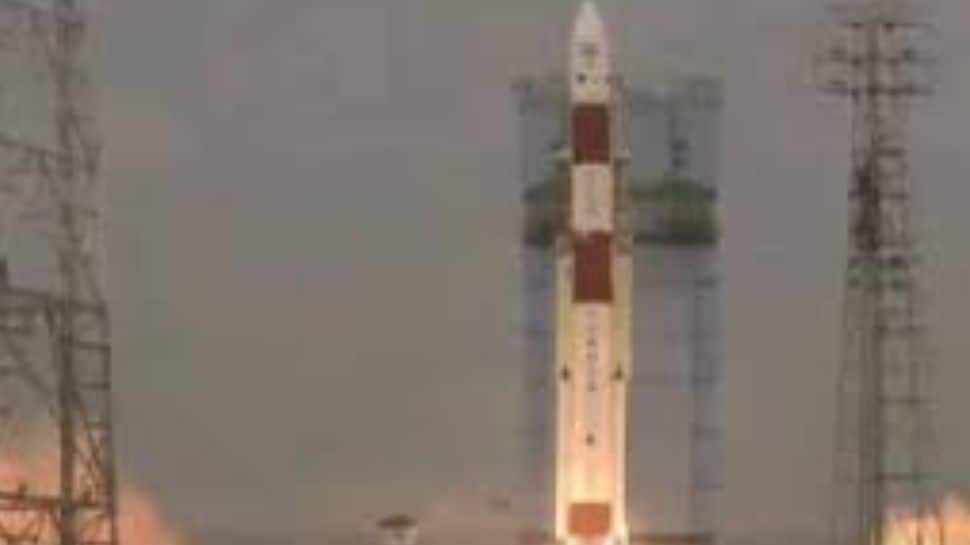
New Delhi: The recent deviation in a PSLV-C62 mission of Indian Space Research Organisation, which likely led to the loss of 16 satellites, has renewed attention on how India manages financial risk in space missions. A review of ISRO’s past practices shows that insurance decisions have varied based on the satellite’s origin and the launch vehicle used.
Domestic Launches: No Insurance
ISRO has consistently stated that launches conducted using its own launch vehicles are not insured. After the PSLV-C39 / IRNSS-1H failure in 2017, then ISRO Chairman A. S. Kiran Kumar told IANS:
“We don’t insure our own launches. Whatever launches we do are from the government’s money.”
This policy meant that losses from failures involving PSLV or GSLV missions were absorbed directly by government budgets.
Foreign Launch Vehicles: Insurance in Place
In contrast, indigenously built Indian satellites launched using foreign launch vehicles were routinely insured.
Examples include the INSAT-2, INSAT-3 and INSAT-4 series, which were launched aboard Arianespace’s Ariane rockets. These satellites were typically insured for around USD 100 million per mission, reflecting both payload value and third-party launch risk.
INSAT-1 Series: Insurance That Paid Out
ISRO also insured satellites built abroad under the early INSAT-1 programme, a decision that proved financially significant. Every satellite in the series suffered some form of anomaly:
INSAT-1A
Multiple system failures occurred after launch, leading to an insurance payout of USD 64 million.
INSAT-1B
Experienced early issues but was ultimately recovered and operated successfully.
INSAT-1C
Suffered a power system failure after about one year in orbit; insurance paid USD 72 million.
INSAT-1D
Damaged on the ground when a crane hook fell on it during assembly, resulting in a USD 10 million insurance claim. The satellite was repaired and later launched successfully.
What the Data Indicates
ISRO’s insurance history shows a clear pattern:
Own launch vehicles, No insurance, losses borne by the government
Foreign launch vehicles or foreign-built satellites, Insurance coverage in place
Insurance payouts have offset both launch-phase and post-launch anomalies in the past
As India’s space missions increasingly involve multiple satellites, international payloads and commercial users, these historical precedents provide a factual backdrop to current discussions on risk exposure and financial safeguards — without altering ISRO’s long-standing engineering-led approach to mission execution.

