


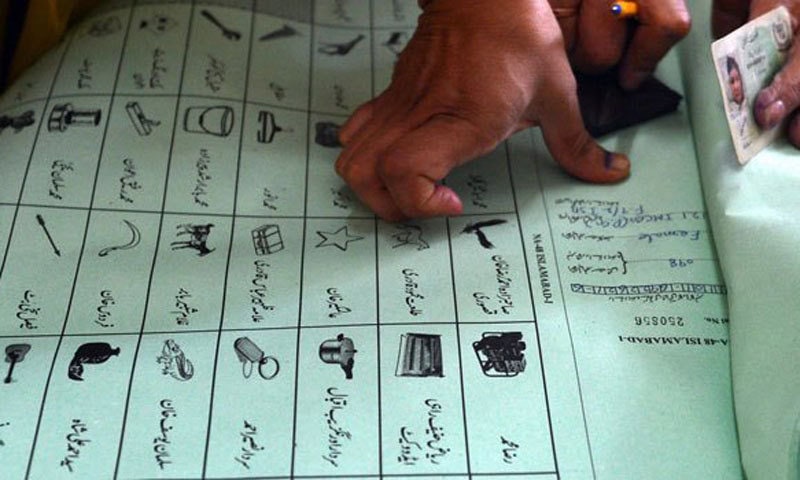
ISLAMABAD – Islamabad’s local government elections have once again been postponed, while President of Pakistan promulgated a sweeping Islamabad Local Government Ordinance, altering administrative and electoral structure of the metropolis.
Under new ordinance, Metropolitan Corporation Islamabad system has been abolished and replaced with Town Corporation model, under which Islamabad will be divided into three Town Corporations based on the city’s three National Assembly constituencies.
According to presidential ordinance amending Islamabad Local Government Act, each of the three Town Corporations will comprise a number of Union Councils as notified by the federal government. The federal government will be empowered to revise the boundaries of Town Corporations and Union Councils after hearing public objections and recommendations; however, once the election schedule is announced, no changes in delimitations will be allowed.
The ordinance stated that local government will consist of Union Councils and Town Corporations, while in areas where local governments are not functional, administrators will be appointed by the government. The new administrative structure provides for one Mayor and two Deputy Mayors in each Town Corporation, with Union Council Chairmen serving as general members of the Town Corporation.
Furthermore, each Town Corporation will include reserved representation comprising four women, one farmer or worker, one trader or businessman, one youth, and one non-Muslim member, significantly reshaping the composition of local bodies in the capital.
At the Union Council level, general members will be elected through secret ballot, with the entire Union Council declared a multi-member ward. Each voter will be allowed to cast a vote for only one general member candidate, and the nine candidates securing the highest number of votes will be declared elected. Successful candidates will be permitted to join any political party within thirty days of their election. The general members will then elect members to reserved seats through a show of hands, while general and reserved members together will elect the Chairman and Vice Chairman, also through a show of hands. The Chairman and Vice Chairman will likewise have thirty days after election to join a political party, and the Union Council Chairman will serve as a general member of the Town Corporation.
At the Town Corporation level, general members will elect reserved seat members through a show of hands, while all members of the Town Corporation will jointly elect the Mayor and Deputy Mayors through a majority vote. Under the ordinance, only a member of the Town Corporation will be eligible to contest the election for Mayor or Deputy Mayor. The delimitation of Union Councils will be carried out by the Election Commission of Pakistan, while on the recommendation of the Ministry of Interior, the government will have the authority to increase or decrease the number of Union Councils within a Town Corporation.
The ordinance also grants extensive financial powers to local governments or appointed administrators, allowing them to impose taxes, fees, rents, tolls, and other charges, subject to prior approval from the government for each proposed tax. Taxes proposed by an administrator, after government approval, will be presented to the National Assembly.
Local governments or administrators will also have the authority to increase, reduce, abolish, or grant exemptions on taxes. At the same time, the federal government will retain overriding authority to issue directives to local governments or administrators, who will be legally bound to comply, raising significant political debate over local autonomy and federal control in the capital.
Weather update: Mercury drops to single digit in Lahore, Islamabad and Karachi

