


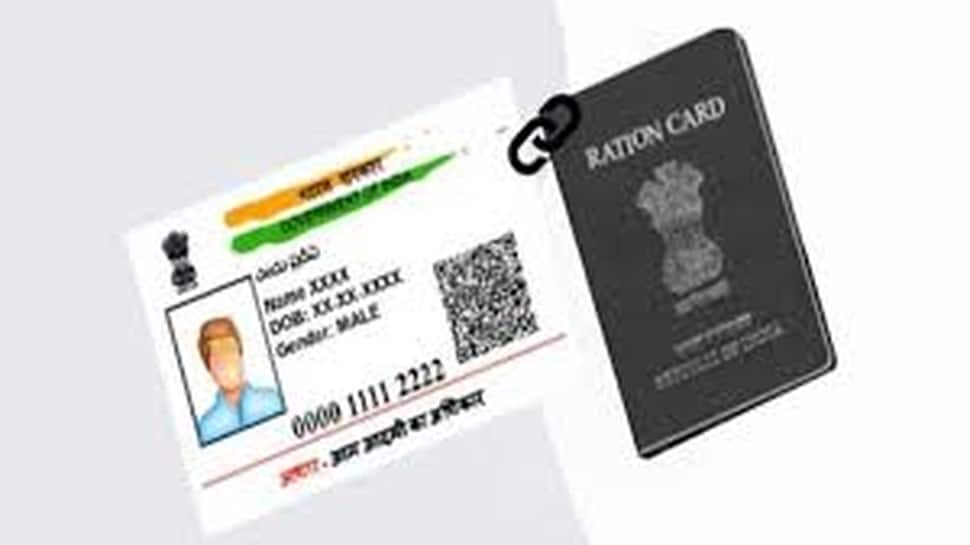
New Delhi: The government has made ration card e-KYC mandatory for all beneficiaries who wish to continue receiving free or subsidised foodgrains under the Public Distribution System (PDS). This rule applies to millions of ration card holders across the country and is aimed at ensuring that food subsidies reach only genuine and eligible families. Authorities have clearly stated that ration benefits may be stopped or suspended if e-KYC is not completed within the required time.
The decision to enforce mandatory e-KYC has been taken to address long-standing issues such as duplicate ration cards, fake beneficiaries and misuse of food subsidies. In several states, audits revealed that ration cards were active in the names of deceased persons or people who had migrated. By linking ration cards with Aadhaar and verifying identity through biometric or face authentication, the government aims to clean the beneficiary database and improve transparency in the ration distribution system.
Step-by-Step Process to Complete Ration Card e-KYC
Online Method (Using Mobile / Internet)
Step 1: Ensure your Aadhaar number is linked with your ration card and your mobile number is linked with Aadhaar.
Step 2: Download the authorised mobile app used for ration card e-KYC in your state, such as Mera KYC, Aadhaar FaceRD, or the official state PDS app.
Step 3: Open the app and select the option for ration card e-KYC.
Step 4: Enter your Aadhaar number and verify it using the OTP sent to your Aadhaar-linked mobile number.
Step 5: Complete biometric authentication or face authentication as directed by the app.
Step 6: Once verification is successful, the e-KYC status is updated automatically in the system.
Step 7: Check your e-KYC status in the app or PDS portal to confirm it shows “Completed” or “Verified.”
Offline Method (Without Internet or Smartphone)
Step 1: Visit your nearest Fair Price Shop (ration dealer) or Common Service Centre (CSC).
Step 2: Carry your Aadhaar card and ration card.
Step 3: Inform the dealer or operator that you want to complete ration card e-KYC.
Step 4: Provide biometric authentication using fingerprint or iris scan.
Step 5: After successful verification, your e-KYC details are updated in the system.
Step 6: Confirm with the dealer that the ration card e-KYC has been completed.
Authorities have clarified that e-KYC is not a one-time exercise. Ration card holders are required to update their verification periodically, usually every five years. Many beneficiaries who completed Aadhaar linking several years ago are now being asked to update their details again, which has led to confusion. Officials have advised beneficiaries to check their e-KYC status even if they have been receiving rations regularly.
For those who fail to complete e-KYC, ration cards may be marked inactive. This can result in denial of free or subsidised foodgrains during monthly distribution. In some cases, ration cards may be temporarily blocked until verification is completed, while prolonged non-compliance could lead to cancellation.
The government has assured that offline facilities will remain available to ensure that senior citizens, rural residents and people without smartphones are not excluded. Ration dealers and CSC operators have been instructed not to charge any fees for e-KYC services.
Overall, the ration card e-KYC drive is being positioned as a key reform to strengthen India’s food security system. While the process may require some effort, completing e-KYC on time is essential to ensure uninterrupted access to free or subsidised rations in the future.

