


There is a moment most people recognise. A phone battery dips into the red. A charger is reached for without much thought. Lithium sits quietly inside that habit. It powers mornings, commutes, work calls, and late-night scrolling, yet rarely earns attention of its own. Only when headlines mention shortages or mining protests does it briefly surface. Lithium feels endless because it is hidden, tucked into sealed cases and smooth devices. But it is not endless. It is dug from specific places, processed through long supply chains, and used once far more often than reused. That gap between everyday reliance and distant origin is where the worry begins to form, slowly and without drama.
What is the future without lithium and where does lithium actually come from
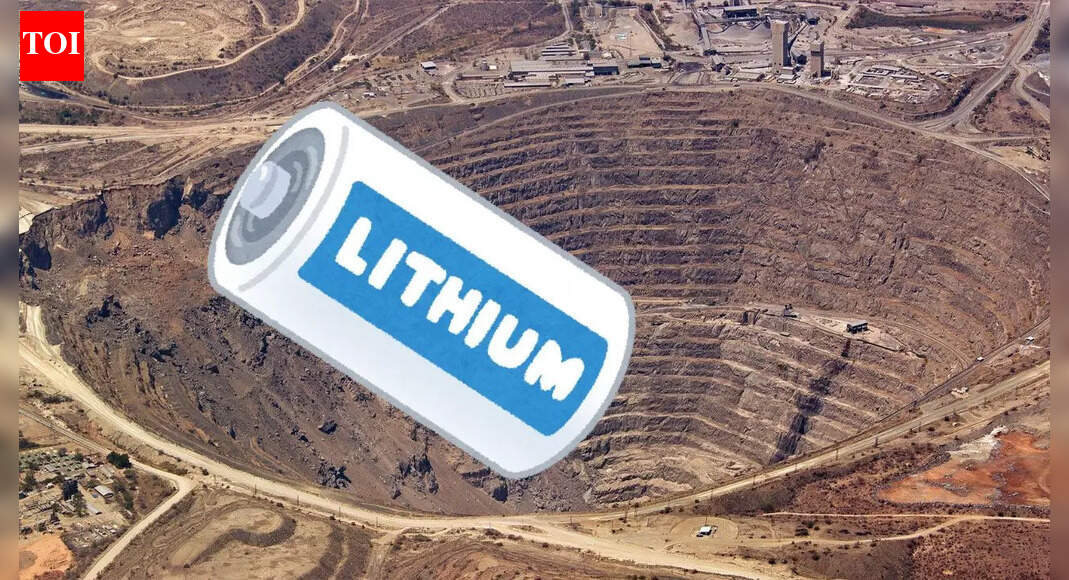
Lithium does not appear evenly across the planet. It clusters in certain landscapes, often dry and remote. Salt flats in South America. Hard rock mines in Australia. Smaller but growing operations elsewhere. Geological surveys suggest there is plenty in the ground, more than many headlines imply. The issue is less about quantity and more about access.Production depends heavily on a small group of countries. When policies shift, exports slow, or ownership changes hands, supply can tighten quickly. Companies involved often operate across borders, which adds another layer of uncertainty. The metal itself may be abundant, but its journey to a battery factory is fragile in quiet ways.
Are we really wasting most of lithium
Lithium has a short working life compared to its importance. Disposable batteries are thrown away without a second thought. Rechargeable ones fade, swell, or fail and then follow the same path. Recycling exists, but it barely touches lithium itself. Other metals are easier to recover, so lithium is often left behind.This means fresh lithium must constantly be mined to replace what has been lost. Over time, that habit adds pressure. Not because the planet suddenly empties, but because the cycle is inefficient and unevenly managed. Waste feels invisible until shortages start to feel personal.
What would break first without lithium
Batteries would be the first to feel it. Phones would still work for a while. Laptops too. But replacements would become scarce. Prices would rise quietly before panic set in. Electric vehicles would struggle the most. Their batteries are large, expensive, and dependent on steady lithium supply.Energy storage would also suffer. Wind and solar rely on large battery systems to smooth out supply. Without lithium, storing excess power becomes harder. The problem would not arrive all at once. It would show up as delays, shortages, and stalled projects rather than a single collapse.
Could other elements take lithium’s place
Sodium often enters the conversation here. It is common, cheap, and easy to find. Engineers have already built sodium-ion batteries that work. They charge and discharge reliably, just not as compactly. They take up more space and carry more weight for the same energy.For cars, that matters. For grid storage, it matters less. A battery building does not care if it is slightly larger. Over time, sodium could quietly take on some of lithium’s workload, especially outside transport.
Are solid state batteries the answer
Solid state batteries promise a different approach. They remove liquid electrolytes and replace them with solid materials. Some designs still use lithium. Others aim to avoid it altogether. The science is promising but stubborn.Manufacturing at scale remains difficult. Costs are high. Materials behave differently outside the lab. It is progress, but slow progress. The kind that unfolds over decades rather than product launches.
Is running out the real fear
The deeper issue may not be exhaustion but imbalance. Mining affects water supplies and local communities. Political decisions can reshape markets overnight. Recycling lags behind demand. These pressures build quietly.Lithium will likely remain with us for a long time. Not because it is perfectly managed, but because alternatives are arriving slowly and demand forces adaptation. The future may involve less lithium per device rather than none at all. Changes like that rarely make noise. They just happen, piece by piece.

