



Knowing where the stock market is going next for certain would be a superpower that puts wealth in the palm of your hand. While not even Warren Buffett would claim to have such an ability, there are many factors to draw on which offer clues to people starting investing as to what is likely to happen.
For a start, major stock markets all consistently rise over long timeframes of multiple years. There are short-run falls along the way, but over the course of five years in most cases, and certainly over ten years, the leading markets such as the United States’ and United Kingdom’s have always made their way higher.
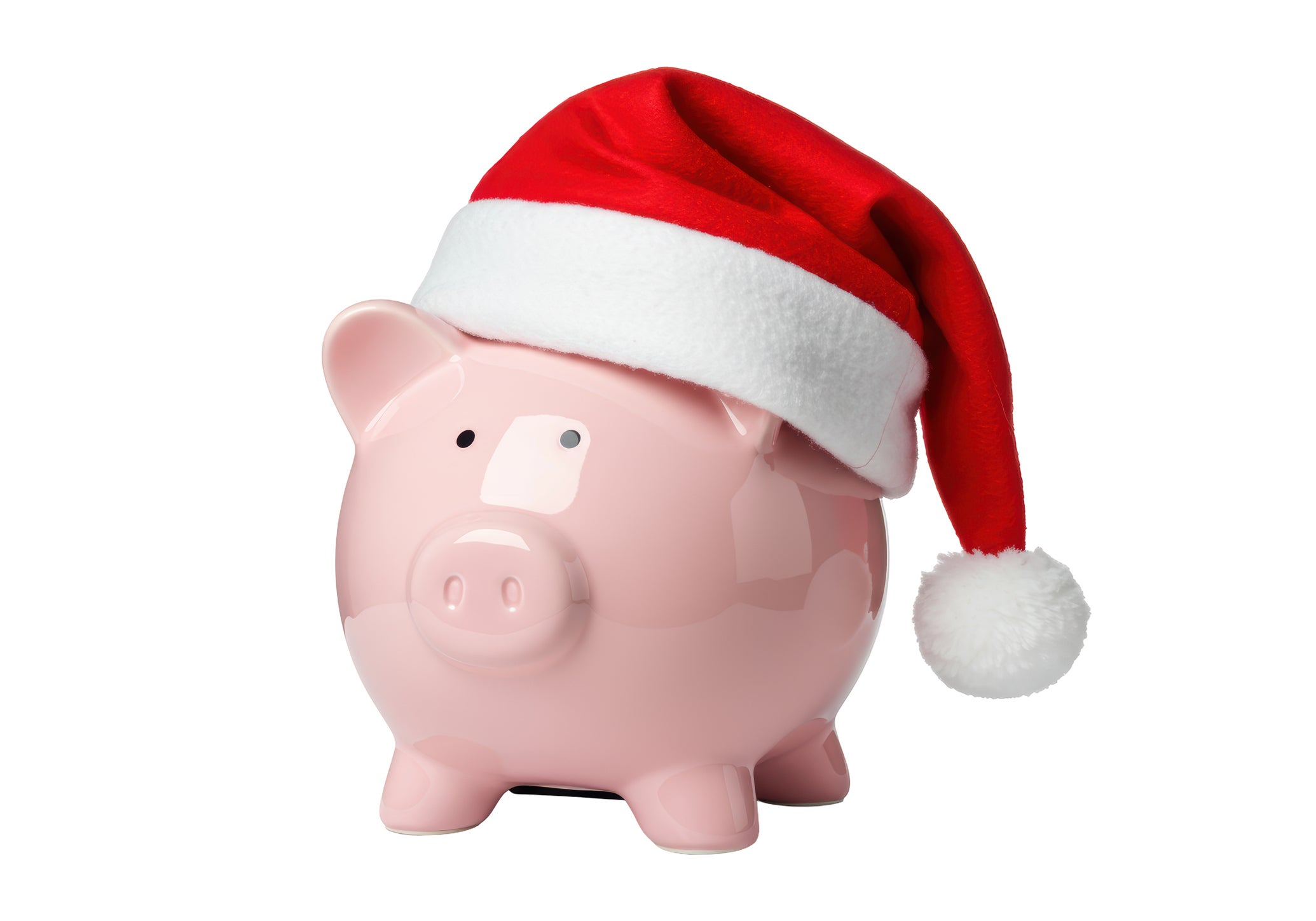
The so-called Santa Rally is also an example which provides a good steer on how the stock market could move.
As the name suggests, it occurs close to Christmas. To be precise, the Santa Rally is a rise in the stock market that often happens across the last five days of trading in December and the first two in January.
The S&P 500, which is the top stock market index for the US, has risen by 1.3 per cent on average across just these seven days since 1960.
Sometimes it is more and sometime less. In fact, it is crucial to note that it only rises at all in around four out of five years (79 per cent). A return of that size in seven days is very attractive, given it would take months to earn 1.3 per cent from cash savings.
The other times (21 per cent) the Santa Rally has not occurred, and stock markets have fallen across these days. So, it is far a guarantee.
Why does the Santa Rally happen?
There is significant debate over why the Santa Rally happens so often. A mixture of practical reasons and human nature is believed to be at play.
One theory is that at the end of the year, analysts who forecast stock prices begin to revise predictions for the year ahead, and often raise their expected numbers. This feeds into investors’ decisions making.
Get a free fractional share worth up to £100.
Capital at risk.
Terms and conditions apply.
ADVERTISEMENT

Get a free fractional share worth up to £100.
Capital at risk.
Terms and conditions apply.
ADVERTISEMENT
Next, there are tax obligations. Many investors sell shares as the year end approaches and then re-enter positions at the start of a new year, according to their own particular tax positions and the performance of their investments.
There can also be some “balancing of the books” towards the year end where fund managers lock in profitable positions, by selling, to make their annual performance look as good as possible – and then buy back in as the year ticks over.
Another factor is reduced trading volume as traders and fund managers take time off over the Christmas period. This means less money is moving around, and so prices can be pushed higher, or lower, more easily.
Expectations and psychology likely play a role too. The fact that the Santa Rally has consistently occurred over many decades means people expect it to happen, and therefore buy into the market: it becomes a self-fulfilling prophecy to some degree.
On the psychological side, it is possible that the optimism that many people experience as a new year begins filters through into their financial decisions, so they are more inclined to buy than sell around this time.
One other thing that may play a role is January as a whole often being a strong month for the stock market. The S&P 500 has risen 73 per cent of the time in January since 1950 and the FTSE 100 has been up 64 per cent of the time.
Investors therefore try to take advantage of this by buying-in as soon as the month begins, or even slightly before.
How do investors make money from the Santa Rally?
It is relatively straightforward to make money from the Santa Rally – on the years it occurs.
As mentioned though, it is by no means certain to happen in any given year, and the stock market could also fall in this period.
Investing is a long-term endeavour and trying to time when to buy and sell perfectly is extremely difficult. The best way to approach the Santa Rally is to view it as a potentially nice bonus as part of a long-held, diversified investment portfolio.
That said, the simplest way to take advantage of the Santa Rally is to buy a stock market tracker such as an S&P 500 ETF or passive fund. Another option is a FTSE 100 ETF or passive tracker fund, given the rise often occurs in the UK stock market as well.
Either one will give you exposure to all the companies in the chosen index so the value of your investment will rise, or fall, in line with the market.
Both S&P 500 and FTSE 100 trackers are available via all the major UK investment platforms from providers including BlackRock’s iShares, Vanguard, Legal and General and many others.
When investing, your capital is at risk and you may get back less than invested. Past performance doesn’t guarantee future results.

