


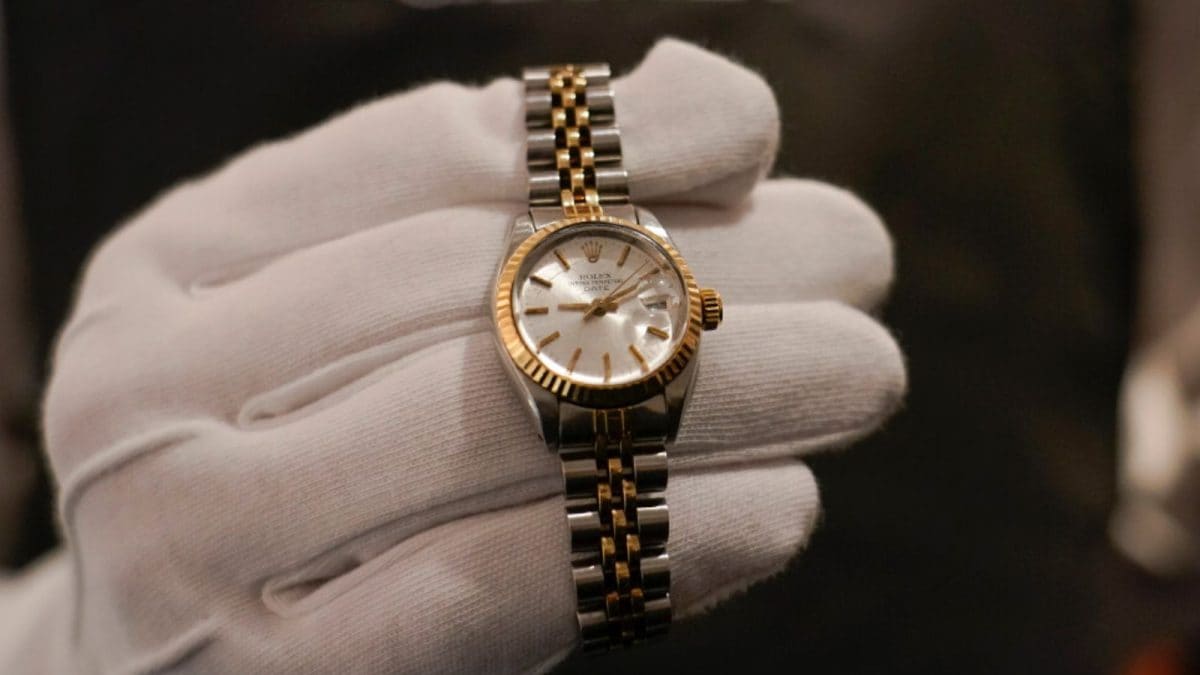
In the rarefied world of luxury goods, few objects trigger as much awe, and as much sticker shock, as a Rolex. Starting at around Rs 4-5 lakh and often requiring a waiting period of several years, the watch has become a symbol of precision, status and engineering excellence. Yet, behind its global appeal lies a history that 99% of people have never heard, one that explains not only its high price, but also the extraordinary trust it commands. (News18 Hindi)
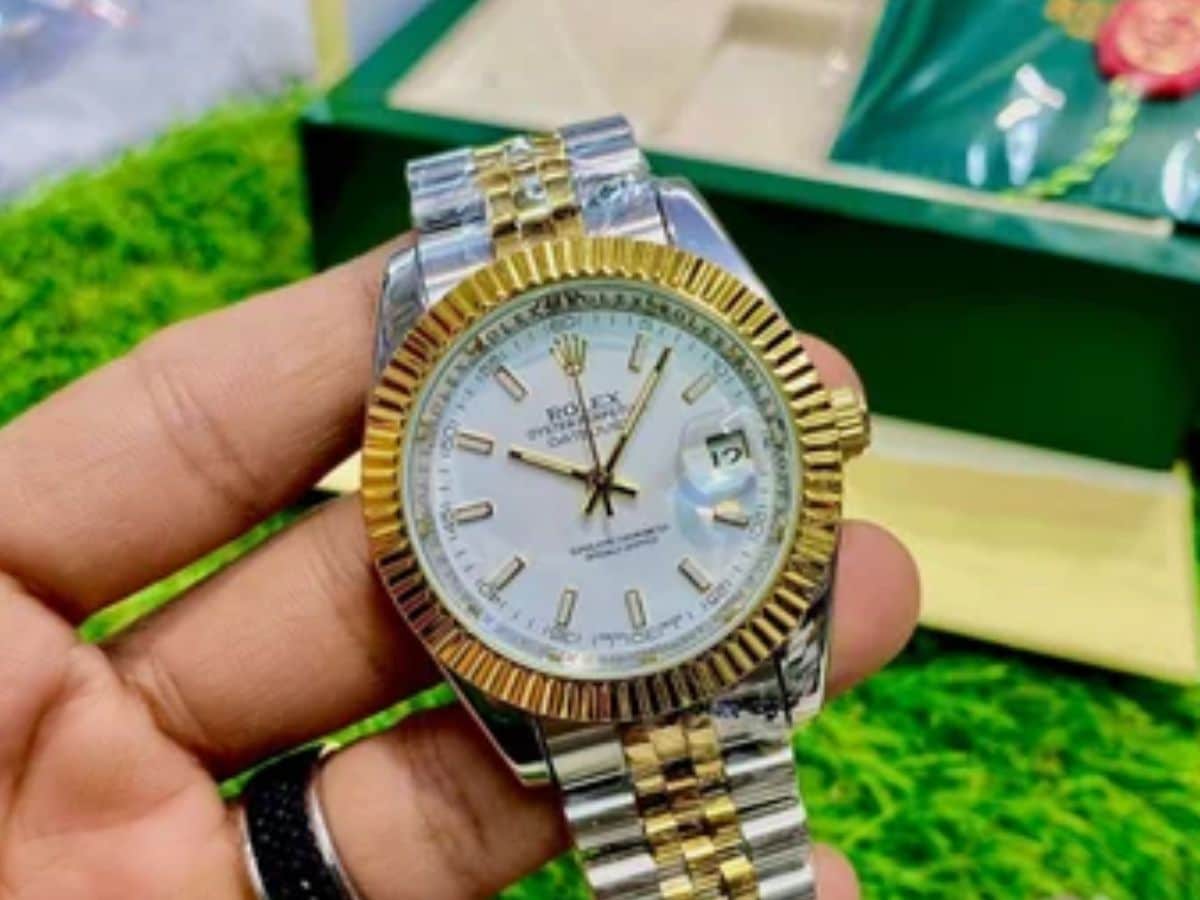
The Rolex story begins quietly in London in 1905, where Hans Wilsdorf and Alfred Davis founded a modest company called Wilsdorf & Davis. They were not selling watches under their own name. Instead, they manufactured finely crafted wristwatches and supplied them to jewellers, who stamped their own branding on the dials before selling them to customers. (News18 Hindi)
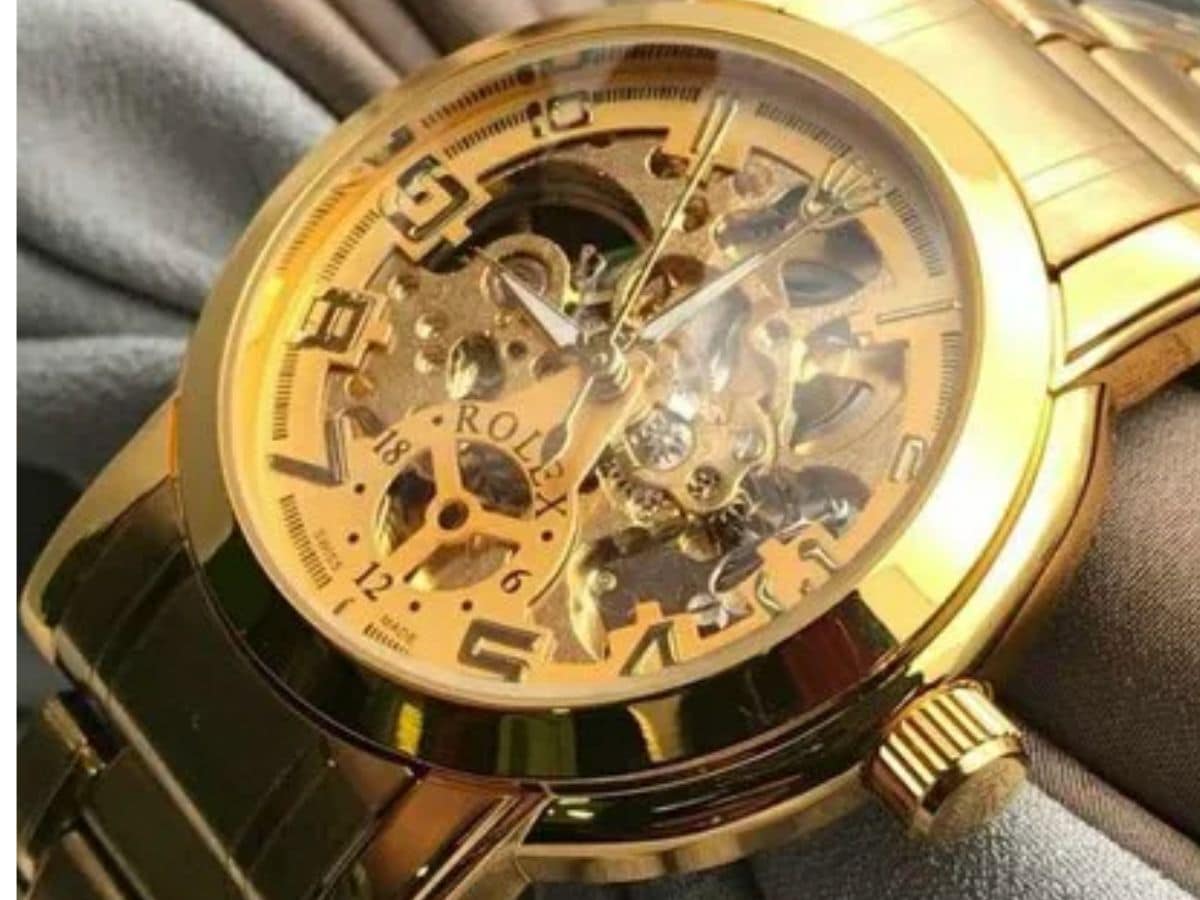
Wristwatches, at that time, were not considered accurate enough to replace pocket watches, which dominated the market despite their own vulnerabilities. A pocket watch could stop working if exposed to water or even slight shifts in altitude, but it remained the only reliable tool for timekeeping. (News18 Hindi)
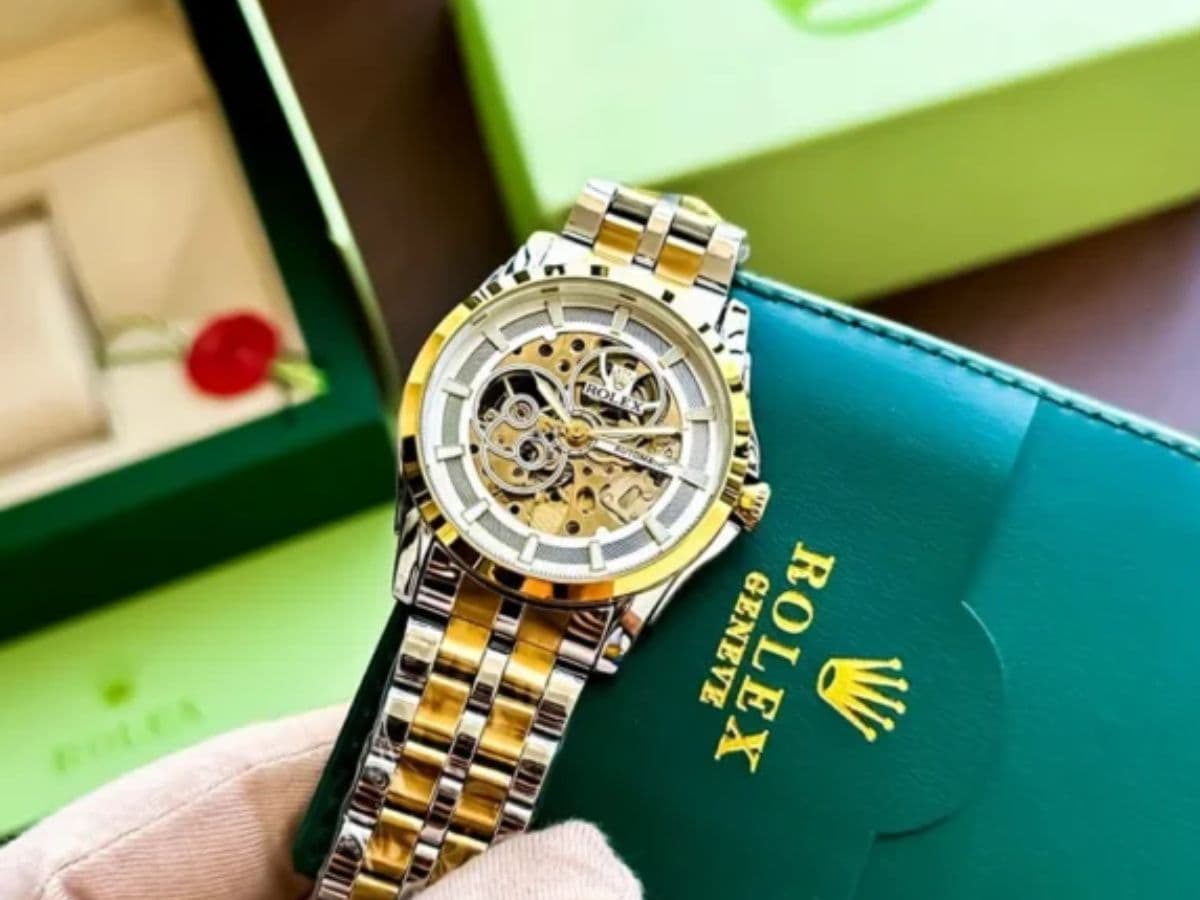
Wilsdorf, however, sensed a shift long before the world did. He realised that a wristwatch, more convenient, more wearable, and more discreet, had the potential to become the preferred timekeeping device if only its precision could match that of a pocket watch. Determined to improve accuracy, he and Davis immersed themselves in experimentation and refinement until they finally succeeded in building what was soon hailed as one of the world’s most precise wristwatches. (News18 Hindi)
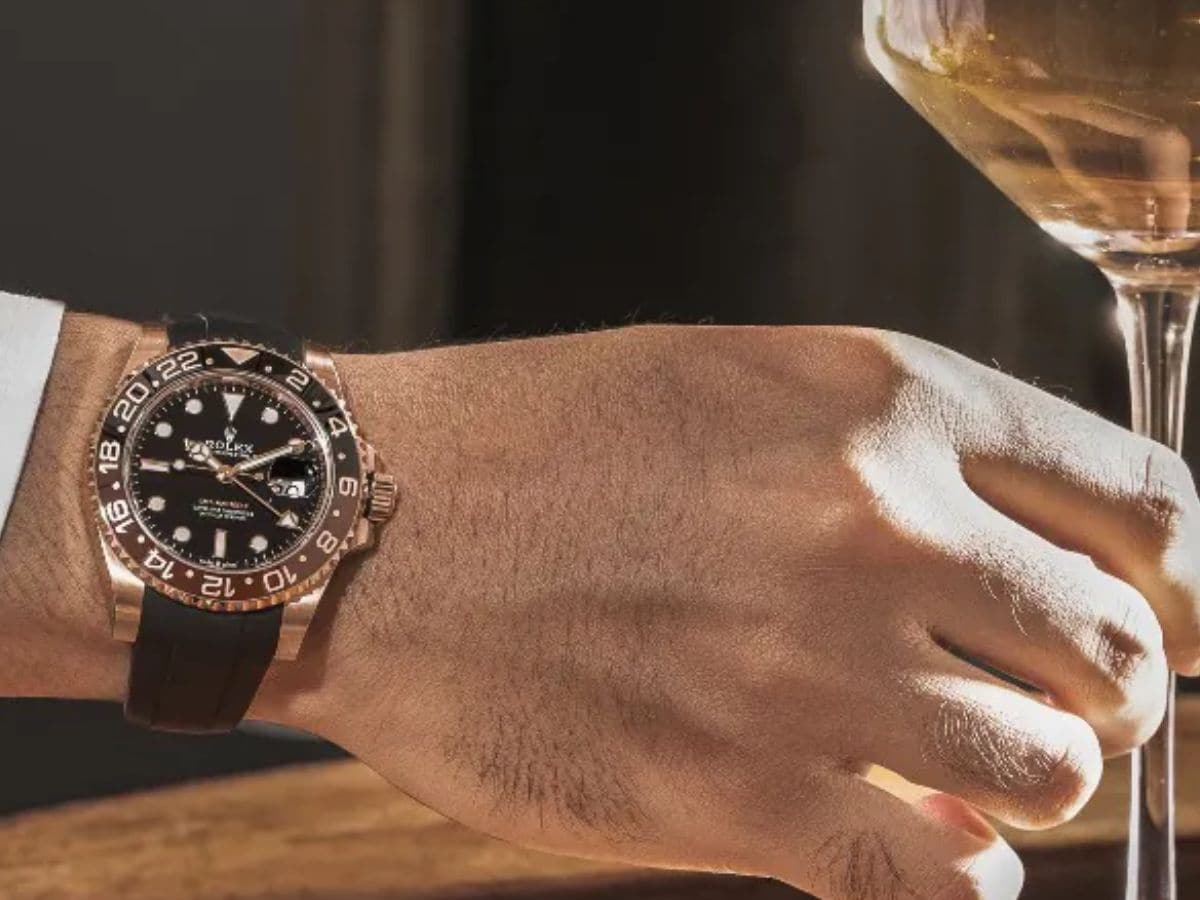
As demand for these watches grew, the two founders recognised an irony; jewellers, not the makers, were receiving the credit. The time had come to establish a brand identity of their own. In 1908, they chose a new name, short, crisp, and suitable for the dial, Rolex. Alongside the rebranding came a strategic relocation. Switzerland, already celebrated for its exacting horological standards, became Rolex’s new headquarters. After closing the London office in 1919 due to wartime taxation, the shift to Geneva proved to be a turning point. A “Swiss Made” Rolex did not need much persuasion; the name itself inspired trust, and customers bought the watches readily. (News18 Hindi)
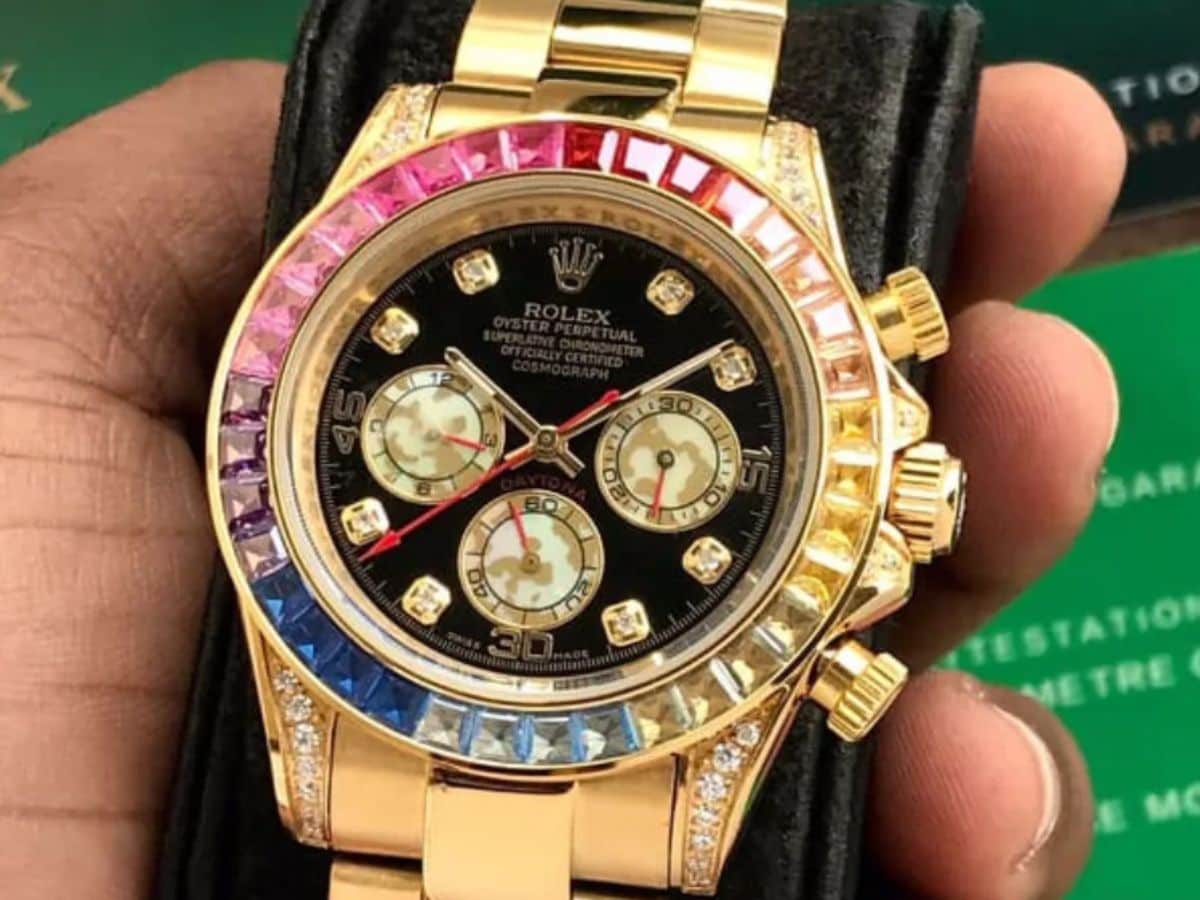
By now, Rolex was not content with precision alone. Wilsdorf envisioned a watch that could defy not only time but the elements. After years of experimentation, the company unveiled the world’s first waterproof wristwatch, the Oyster, in 1926. It was an engineering triumph, but one that needed public proof. Traditional advertising would not be enough to convince sceptics. Wilsdorf responded with a visionary marketing idea. He placed the watch on the wrists of athletes and adventurers. When a young swimmer crossed the English Channel wearing a Rolex that survived the journey unscathed, the company showcased the feat in shop windows across Europe. Confidence in the brand soared. (News18 Hindi)
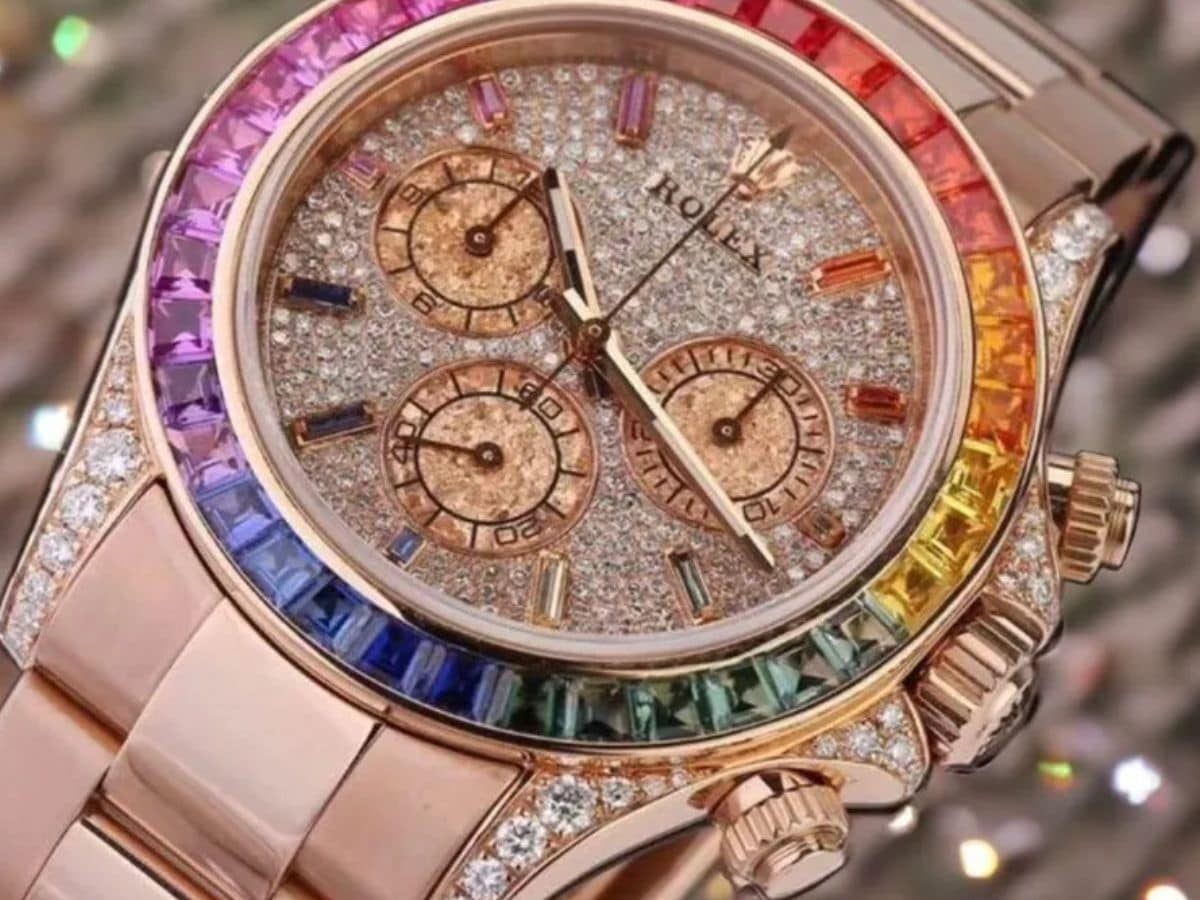
Through such dramatic demonstrations, Rolex cultivated an identity that blended craftsmanship with adventure. Its watches were not merely accessories; they were instruments of endurance, capable of accompanying human beings to the deepest oceans, the highest mountains and the harshest terrains. (News18 Hindi)
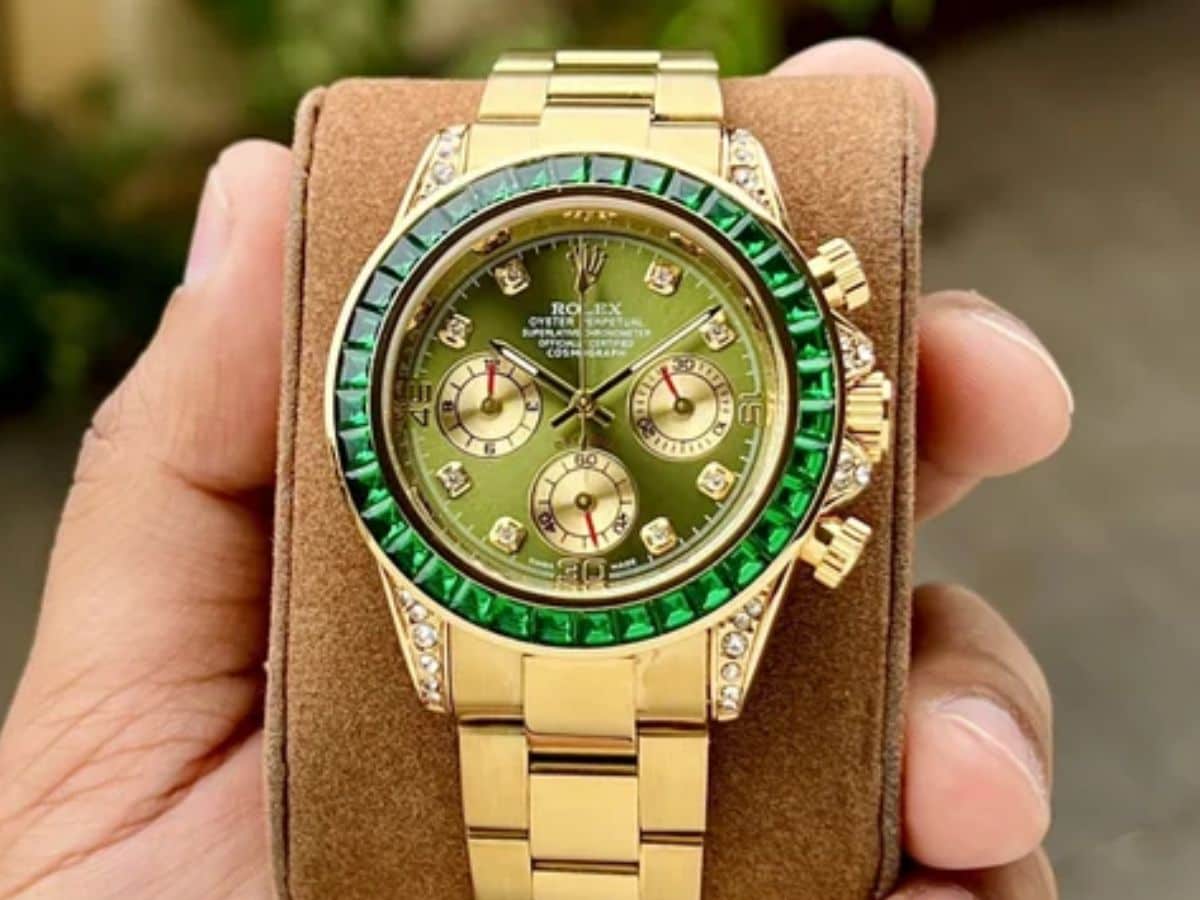
This long heritage of innovation explains, in part, why Rolex watches are costly even today. The materials themselves set them apart. The company uses 904L steel, a metal significantly more expensive and more resistant to corrosion than the 316L steel used by most luxury watchmakers. (News18 Hindi)
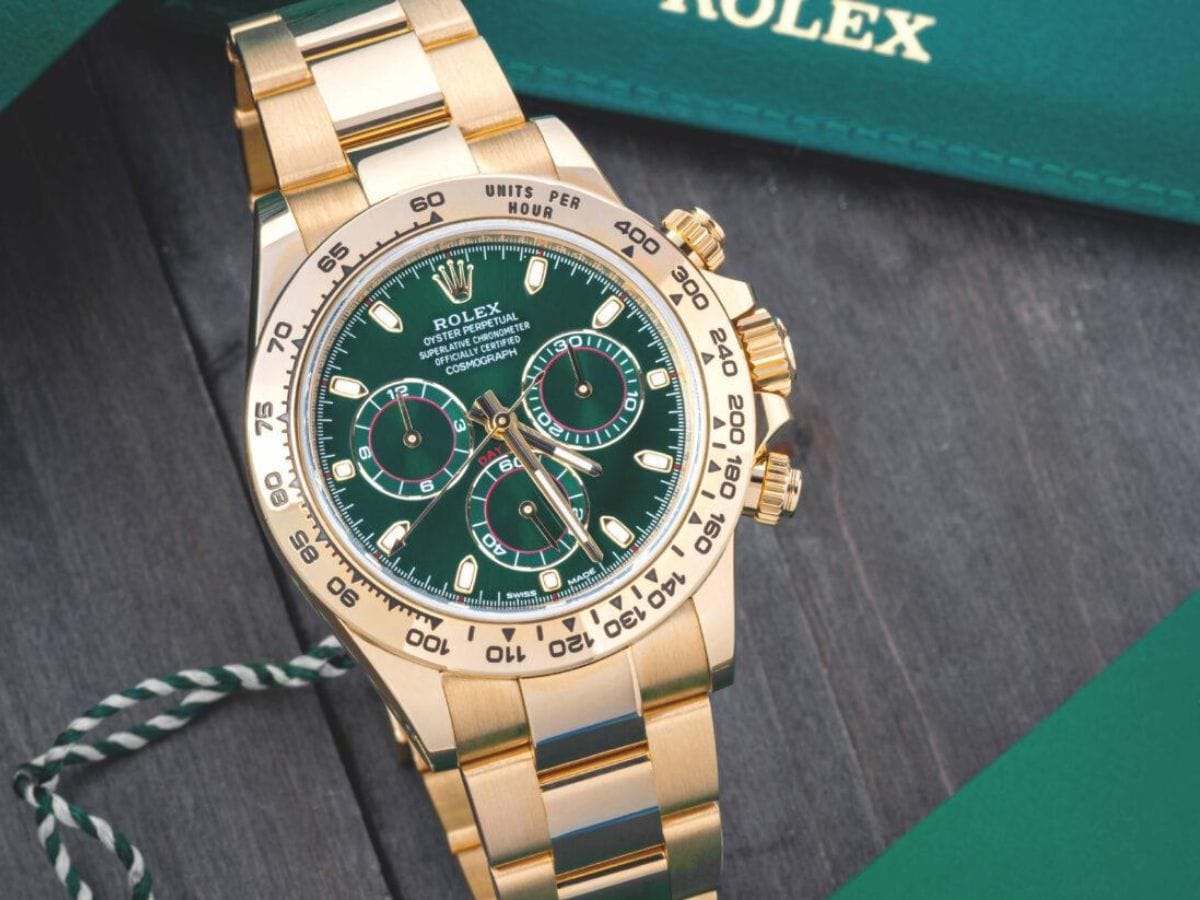
Many models incorporate solid gold or platinum, demanding an extraordinary level of craftsmanship and finishing. Every watch undergoes rigorous testing, often surpassing official chronometer certifications. Production remains deliberately limited not because of marketing strategy, but because the manufacturing process is slow, meticulous and resistant to shortcuts. (News18 Hindi)
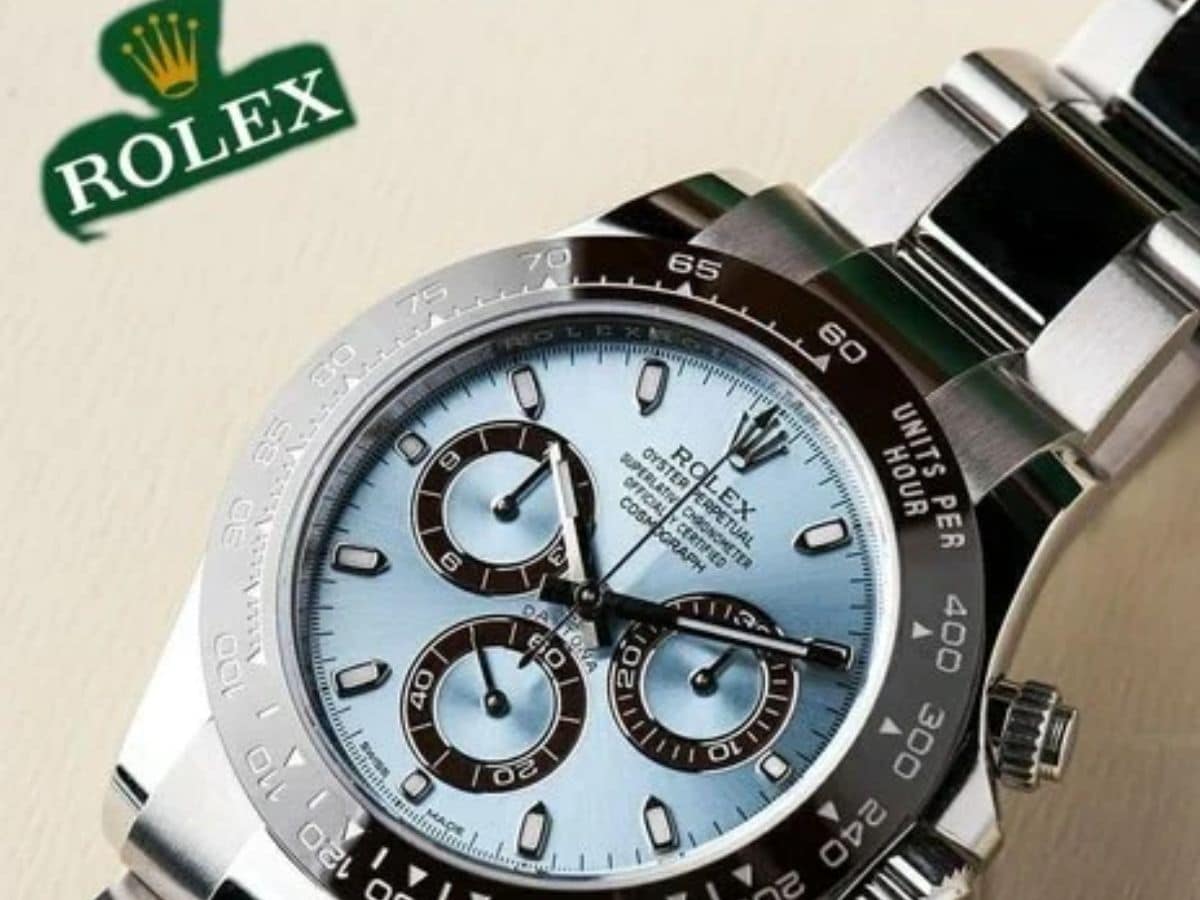
Over more than a century, Rolex has built not just watches, but a narrative of reliability and endurance that no rival has fully replicated. The true reason behind its high price is not merely the steel, the gold or the platinum. It is the unwavering promise set forth by Hans Wilsdorf; a Rolex must keep accurate time, anywhere on the planet, under any possible condition. That promise has defined the company’s engineering philosophy for generations, and continues to justify the extraordinary value placed on every watch that bears its name. (News18 Hindi)

