


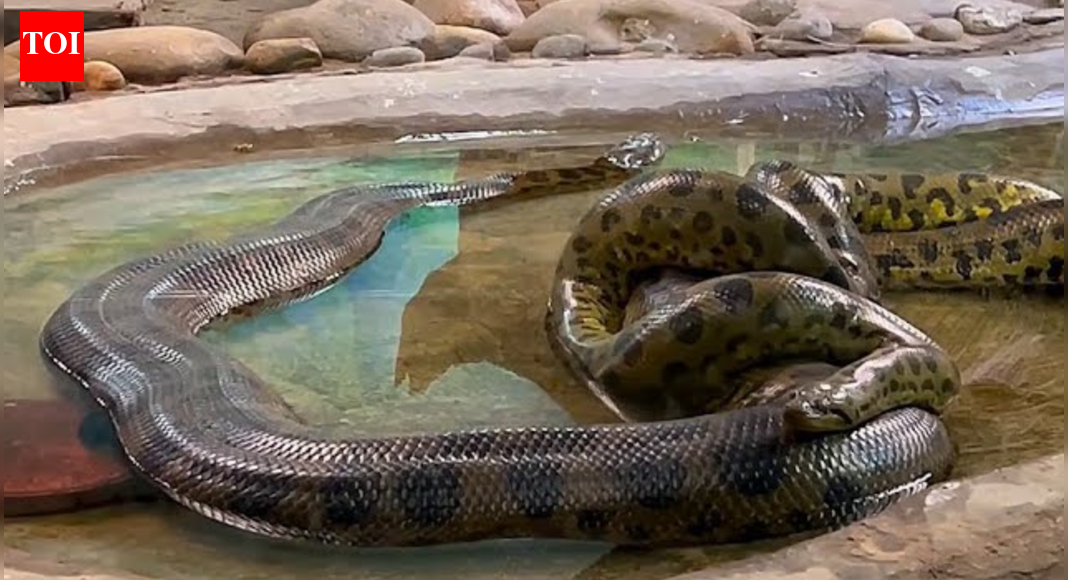
Anacondas have long dominated the South American waterways, with modern researchers recognising around five distinct species within the genus Eunectes (literally “good swimmer”). The green anacondas , the largest of the group, still hold the title for the world’s heaviest snakes, with females typically larger than males. Now, a new study of fossils from Venezuela suggests anacondas reached their giant size around 12.4 million years ago and have stayed roughly the same ever since.
How scientists worked out the size of ancient anacondas
The research, led by Andrés Alfonso-Rojas at the University of Cambridge, analysed 183 fossil vertebrae from at least 32 individual anacondas found in Venezuela, dating to the Middle to Upper Miocene, around 12.4 million years ago.
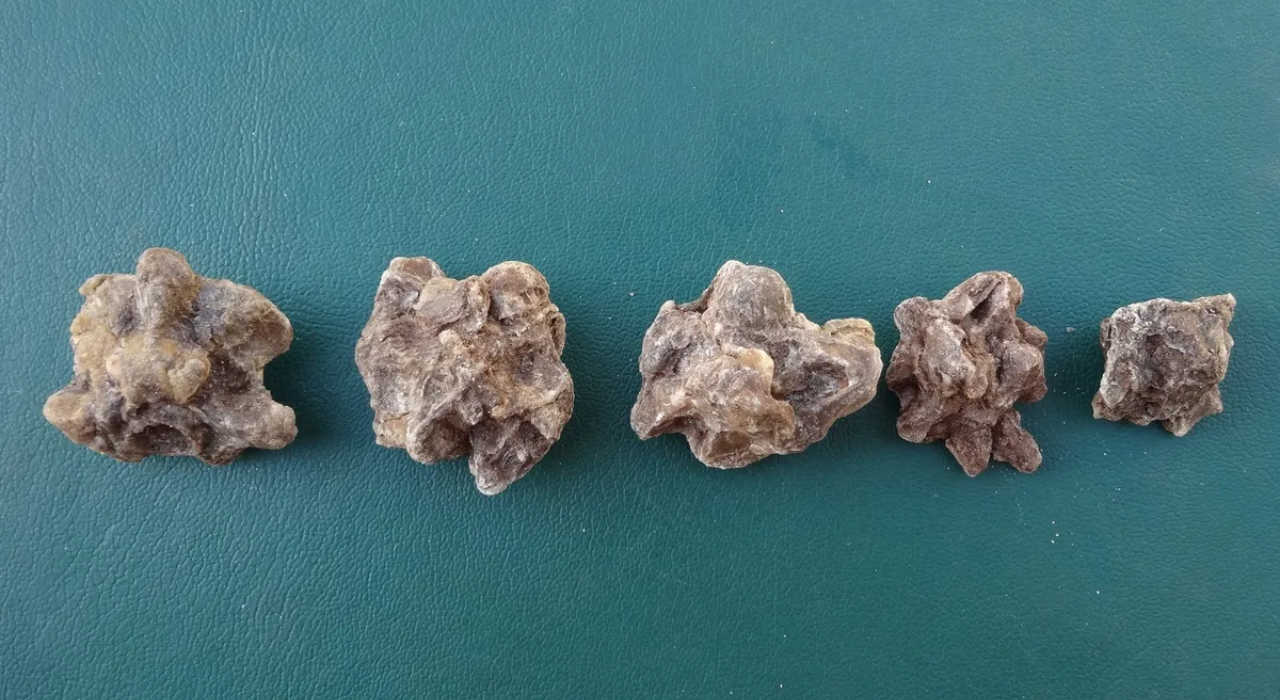
Researchers measured fossilized anaconda vertebrae to determine the ancient snakes’ body lengths. (Image credit: Jorge Carrillo-Briceño)
Using these fossil vertebrae alongside data from other South American sites, the team estimated that Miocene anacondas reached about 4–5 metres in length. As Alfonso-Rojas explained, “By measuring the fossils we found that anacondas evolved a large body size shortly after they appeared in tropical South America around 12.4 million years ago, and their size hasn’t changed since.” Using a technique called ancestral state reconstruction, the team also modelled body length based on traits of related snakes. The result was the same: early anacondas averaged about 5.2 metres (around 17 feet) – essentially the same as large anacondas today. That was not what they expected. “This is a surprising result because we expected to find the ancient anacondas were seven or eight metres long,” Alfonso-Rojas said. “But we don’t have any evidence of a larger snake from the Miocene when global temperatures were warmer.” Modern anacondas typically measure 4–5 metres, with exceptional individuals reaching 7 metres, and one famous specimen estimated at almost 8.5 metres and more than 226 kg. In other words, the snakes slithering through Amazon backwaters today are already in the same size league as their Miocene ancestors.Sidebar: What was the Miocene?The Miocene, lasting from about 23 to 5.3 million years ago, was a warm, humid epoch when vast wetlands and rich ecosystems supported many oversized reptiles and mammals. It set the stage for anacondas to evolve their giant form.
A world of giants – but the anaconda stayed
The fossils come from a time when much of tropical South America was warmer, wetter and covered in expansive wetlands. During the Middle and Upper Miocene, those conditions allowed many animals to grow much larger than their modern relatives. According to the team, giant crocodiles and oversized turtles shared these habitats, making use of the same lush, water-rich landscapes. But most of those giants vanished as climates cooled and environments shifted.Alfonso-Rojas added, “Other species like giant crocodiles and giant turtles have gone extinct since the Miocene, probably due to cooling global temperatures and shrinking habitats. But the giant anacondas have survived, they are super-resilient.” The fossils suggest that soon after anacondas appeared in tropical South America, they quickly evolved a very large body size – and then held that size through millions of years of climate and ecological change.
Why didn’t anacondas shrink like other megafauna?
One of the big questions the study raises is why anacondas stayed huge while so many other large species disappeared or downsized. The obvious suspects are climate change, with cooler global temperatures after the Miocene; habitat loss, as wetlands shrank and fragmented; and changing food webs, with new predators and competitors arriving in South America. But the researchers argue the story can’t be that simple.They note that while warm conditions and abundant wetlands in the Miocene likely helped anacondas reach their giant size early in their evolution, later cooling and habitat change did not force them to become smaller. The snakes also didn’t shrink when new predators arrived during the Pliocene and Pleistocene. (The Pliocene, spanning roughly 5.3 to 2.6 million years ago, was a period marked by continued cooling and the spread of more open habitats, while the Pleistocene, from about 2.6 million to 11,700 years ago, was defined by repeated ice ages and the arrival or expansion of powerful predators such as big cats.) Even through these shifts, anacondas retained their massive size.In the paper, the team suggest that factors such as predator–prey dynamics and competition may have helped create the ecological conditions that allowed anacondas to become enormous early in their history, but these forces alone don’t account for why the snakes have maintained that size for so long. What the new work really does is lay the puzzle out cleanly: anacondas reached their giant proportions very early,around 12.4 million years ago when South America was warmer, wetter, and home to abundant large prey. Their average size has remained strikingly stable since then, showing little evidence of the gradual shrinking seen in many other large reptiles and mammals.They also persisted through the disappearance of most other Miocene megafauna and endured major climatic swings without any detectable reduction in body size, suggesting that once they achieved gigantism, a combination of ecological flexibility, access to refugial wetland habitats, and physiological tolerance allowed them to hold onto it even as their world changed around them. Exactly how they managed that, whether through physiology, behaviour, habitat use or sheer ecological luck, is now a question for future studies. For now, the takeaway is simple and slightly eerie: the massive snake coiled in a flooded Amazon channel today is not an evolutionary experiment in progress, but the latest representative of a body plan that has already stood its ground for over 12 million years.

