


 "Smog Alert! Is It Safe To Exercise Outside On Bad AQI Days?")
Outdoor workouts can be invigorating—fresh air, open spaces, and the psychological boost of nature. But what happens when that “fresh air” is tainted by pollution? As air quality concerns rise across many cities, fitness enthusiasts are increasingly asking a crucial question: Should you exercise outdoors on bad AQI days?
Understanding AQI and Why It Matters
The Air Quality Index (AQI) measures how clean or polluted the air is, focusing on pollutants such as particulate matter (PM2.5 and PM10), ground-level ozone, carbon monoxide, sulfur dioxide, and nitrogen dioxide.
- 0–50: Good
- 51–100: Moderate
- 101–150: Unhealthy for sensitive groups
- 151–200: Unhealthy
- 201–300: Very Unhealthy
- 300+: Hazardous
When AQI climbs above 100, it’s not just an environmental concern—it becomes a personal health issue, especially when physical activity increases your breathing rate.
How Pollution Impacts Exercise
When you exercise, your lungs work harder, and you inhale up to 10 times more air than at rest. This means more pollutants enter your respiratory system.
- Potential risks of exercising in polluted air:
- Inflammation of the airways
- Reduced lung function and oxygen uptake
- Irritation of eyes, throat, and nose
- Aggravation of asthma or respiratory conditions
- Increased cardiovascular stress
- Long-term, consistent exposure during exercise can elevate the risk of chronic respiratory and heart diseases.
When Is It Safe to Exercise Outdoors?
AQI 0–100:
Outdoor workouts are generally safe. Even sensitive groups (children, elderly, people with lung or heart conditions) can exercise with minimal concern.
AQI 101–150:
Healthy individuals may still exercise outdoors, but sensitive groups should reduce intensity or move workouts indoors.
AQI 151–200:
Prolonged outdoor exercise is not recommended. Healthy individuals should shorten sessions and avoid high-traffic areas. Sensitive groups should stay indoors.
AQI 200+:
Avoid all outdoor exercise. The health risks outweigh the fitness benefits.
Tips to Stay Active Safely on Bad AQI Days
1. Switch to Indoor Workouts
Home workouts, gyms with filtration systems, yoga, Pilates, treadmill runs, or HIIT sessions are safe alternatives.
2. Check AQI Before You Move
Use apps/websites like AQI India, AirNow, or your local weather service. Conditions can change throughout the day.
3. Time Your Workout
Pollution is often lowest early in the morning and higher during peak traffic hours.
4. Avoid High-Pollution Routes
Stay away from major roads, industrial areas, and construction zones.
5. Consider a Pollution Mask
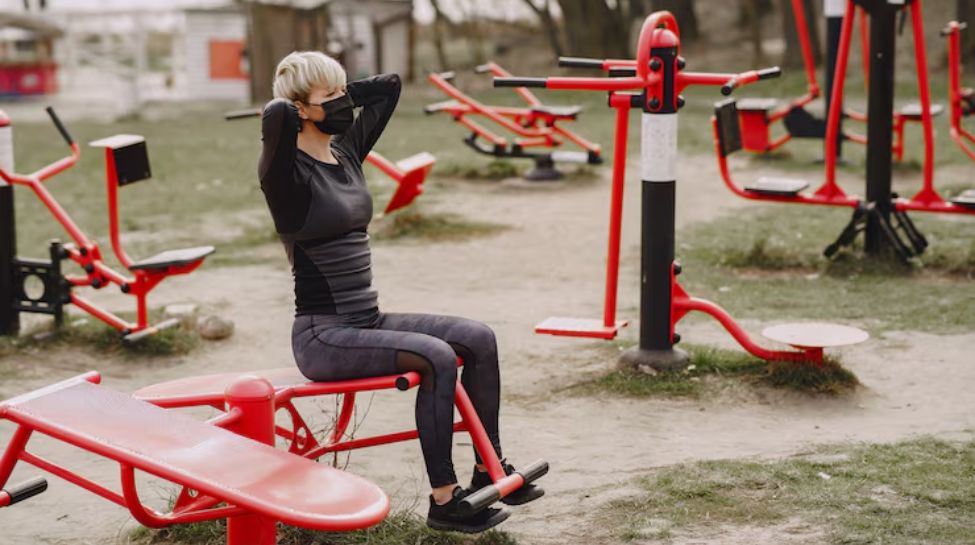
N95 or N99 masks can help, but they may not be comfortable or practical during high-intensity exercise.
(This article is meant for informational purposes only and must not be considered a substitute for advice provided by qualified medical professionals. Always seek the advice of your doctor with any questions about a medical condition.)

&description=Smog+Alert%21+Is+It+Safe+To+Exercise+Outside+On+Bad+AQI+Days%3F)