

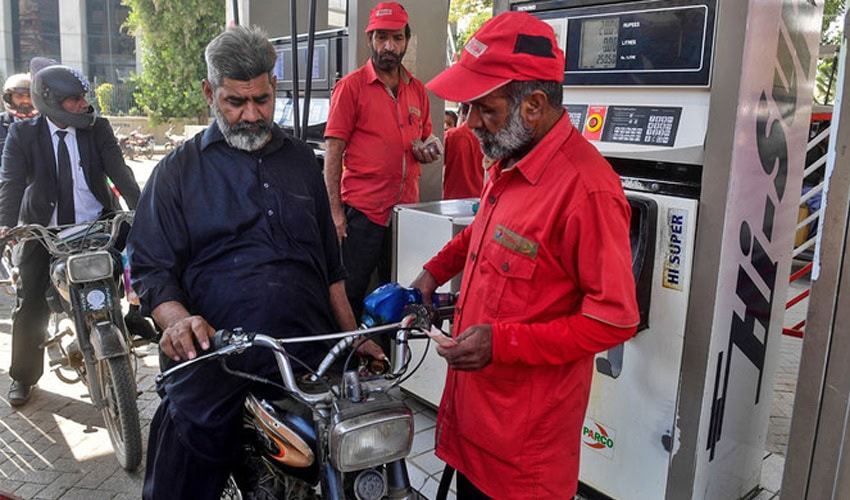
Petrol and diesel prices in Pakistan are anticipated to rise from November 16, following a proposal from the International Monetary Fund (IMF) that suggests the imposition of a General Sales Tax (GST) on petroleum products and an increase in the Petroleum Development Levy (PDL) from Rs60 to Rs70 per litre. If accepted by the government, this move could bring a noticeable hike in fuel costs, adding to the financial burden of consumers already dealing with rising inflation.
According to informed sources, these adjustments could make this the second consecutive fortnightly price hike as the government continues to align with IMF-mandated economic reforms. The latest price adjustment on October 31 saw petrol prices increase by Rs1.35 per litre to Rs248.38, while high-speed diesel (HSD) went up by Rs3.85 to Rs255.14 per litre. These increases aimed to keep fuel prices aligned with international rates and meet fiscal targets.
At present, petroleum products are exempt from GST, and the PDL stands at Rs60 per litre. If the IMF’s recommendations are implemented, the GST and PDL adjustments are expected to push fuel costs even higher. This increase could also ripple through the economy, raising transport costs and potentially driving inflation across multiple sectors, from food prices to manufacturing.
The IMF’s proposed measures come amid Pakistan’s efforts to stabilize a struggling economy. The suggested increase in taxes on fuel is part of the IMF’s broader revenue generation strategy, intended to help Pakistan reduce its fiscal deficit while navigating through its current economic challenges.
With inflation concerns already weighing heavily on households, this proposed fuel price hike will likely add to public frustration. Consumers are bracing for the next fortnightly update as discussions continue between the government and IMF.

