


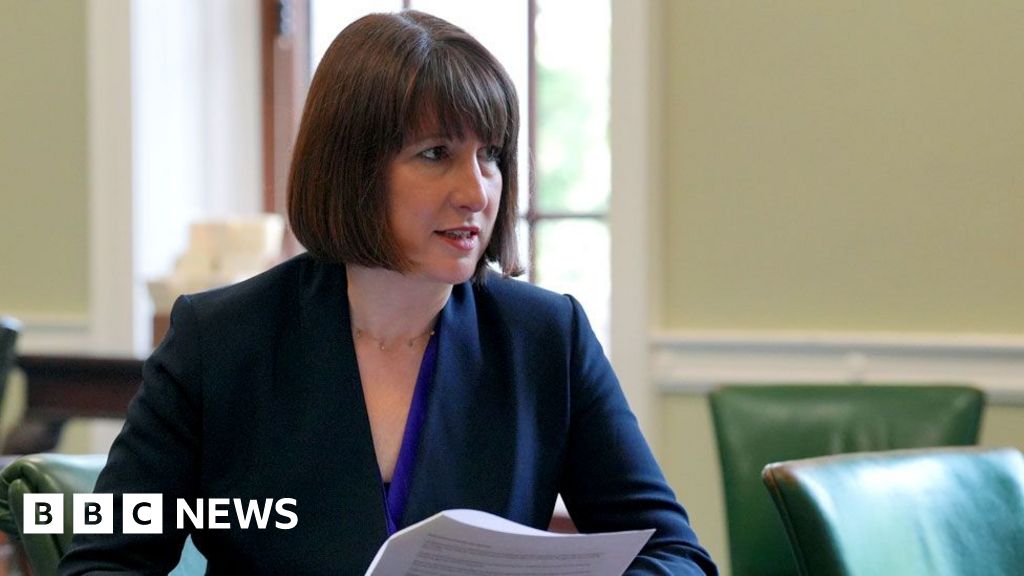
The new chancellor is set to use an audit of public spending to make claims of a “black hole” in the government finances worth tens of billions of pounds.
Rachel Reeves said she would give a statement to Parliament on Monday showing “honesty” about the scale of the challenge faced by the new Labour government.
She vowed to “fix the mess we inherited” but would not confirm speculation that the gap in the public finances stood at more than £20bn per year.
BBC News has contacted the Conservative Party for a response.
Labour will suggest the Conservatives left various crucial public services unfunded in areas from public pay to prisons.
“On Monday, the British public are finally going to see the true scale of the damage the Conservatives have done to the public finances,” a Labour source said.
“They spent taxpayers’ money like no tomorrow because they knew someone else would have to pick up the bill. It now falls to Labour to fix the foundations of our economy and that work has already begun.”
On Monday, Ms Reeves will also set out the government’s response to the public sector pay recommendations, which are about 3% higher than in current spending plans.
The chancellor is likely to accept some above-inflation pay settlements for public sector workers after being warned by independent pay bodies about recruitment and retention challenges, and calculating that the public is keen to draw a line under months of rolling strikes.
Cabinet ministers have spent the week saying a thorough look at their departmental books has revealed more “severe” problems than previously anticipated.
The opposition says this is an elaborate effort to butter up the public for some tax rises at the Budget in the autumn.
The “black hole” arises because the government says it must spend extra money to keep public services functioning.
However, governments draw up their own rules on how much they should borrow to fund public services like the NHS and how the country’s debt is managed.
Paul Johnson, director of the Institute for Fiscal Studies think tank, said there was “no single answer” to how big the gap in the public finances was.
“It really is: how long is a piece of string?,” he told BBC Radio 4’s Today programme.
Labour has pledged not to raise taxes “on working people” including most aspects of National Insurance, income tax and VAT.
Mr Johnson said the government could make changes to capital gains tax and inheritance tax to bring in more money to the Exchequer.
Reducing the rate of tax relief on pension contributions could “raise significant amounts of money” he said, but could put people off saving for their pensions.
“Big tax increases, given the constraints they’ve put on themselves, aren’t impossible, but they’d be pretty difficult,” he said.
The extra money the government needs to find to meet self-imposed targets around debt in the future has been labelled the “black hole”.
The former chancellor, Jeremy Hunt, may have instead suggested not spending these sums.
Mr Hunt acknowledged to the BBC this week that he would not have been able to fund immediate tax cuts, had the Conservatives won the election.
Some economists suggested during the election that many of these spending pressures, and the possibility taxes would need to be raised to fund them, were obvious and should have been made clear to the voting public.
While the BBC understands there will be no tax policy announcements on Monday, the implication of the audit is that the Treasury will spend the summer trying to find extra savings, or extra taxation revenue, to fill this “black hole”.
A more optimistic economic outlook from the independent forecaster the Office for Budget Responsibility would also help improve some tricky trade-offs.

