


By Faseeh Ur Rehman (Journalist)
Introduction
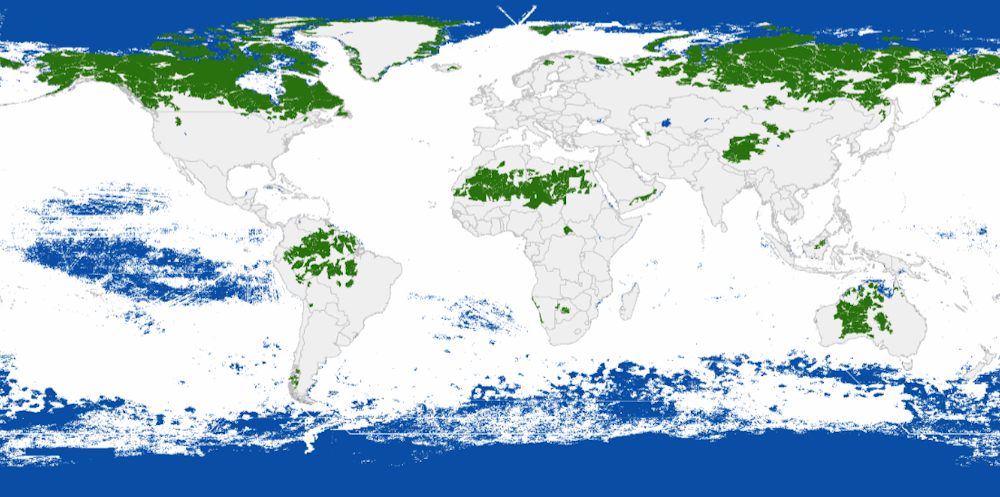
The world’s wilderness areas are dwindling at an alarming rate. These last bastions of untouched nature are not only crucial for the survival of countless species but also play a vital role in regulating our climate and maintaining ecological balance. This article delves into the importance of preserving these wild places, the threats they face, and the urgent need for global conservation efforts.
The Importance of Wilderness
Wilderness areas serve as vital refuges for biodiversity. These regions, free from significant human interference, provide habitats for a vast array of species, some of which are found nowhere else on Earth. They also offer critical ecosystem services, such as carbon sequestration, water purification, and soil stabilization, which are essential for the well-being of our planet.
Case Study: The Amazon Rainforest
The Amazon Rainforest, often referred to as the lungs of the Earth, is a prime example of the significance of wilderness areas. Home to an estimated 390 billion trees and millions of species, the Amazon plays a crucial role in absorbing carbon dioxide and regulating the global climate. However, rampant deforestation driven by logging, agriculture, and mining is threatening this vital ecosystem. Satellite images reveal that the Amazon is losing an area equivalent to a football field every minute, highlighting the urgent need for action.
The Threats to Wilderness Areas
- Deforestation: Large-scale logging and land clearing for agriculture are leading causes of habitat destruction.
- Climate Change: Rising temperatures and changing precipitation patterns are altering ecosystems and threatening species.
- Human Encroachment: Expanding human populations and infrastructure development are encroaching on previously untouched areas.
- Pollution: Air and water pollution from industrial activities are damaging fragile ecosystems.
Conservation Efforts and Success Stories
Despite the dire situation, there are numerous success stories that demonstrate the effectiveness of conservation efforts. The establishment of protected areas, community-based conservation programs, and international agreements like the Paris Agreement are making a difference.
Example: The Great Bear Rainforest in Canada is one of the largest temperate rainforests in the world. Through collaborative efforts between Indigenous communities, environmental groups, and the government, this vast wilderness has been preserved, ensuring the protection of its unique biodiversity and cultural heritage.
What Can Be Done?
- Support Protected Areas: Expanding and effectively managing protected areas can safeguard critical habitats.
- Sustainable Practices: Promoting sustainable agriculture, forestry, and fishing practices can reduce the pressure on wilderness areas.
- Education and Awareness: Raising awareness about the importance of wilderness conservation can mobilize public support and drive policy changes.
- Global Cooperation: International collaboration is essential to address transboundary issues and enforce conservation agreements.
Conclusion
The preservation of wilderness areas is not just about protecting nature for its own sake. It is about ensuring the survival of the countless species that depend on these habitats, maintaining the ecological services they provide, and safeguarding the future of our planet. By recognizing the intrinsic value of wilderness and taking concerted action, we can protect these last wild places for generations to come.

