


Written By: Faseeh Ur Rehman (Journalist)
Introduction
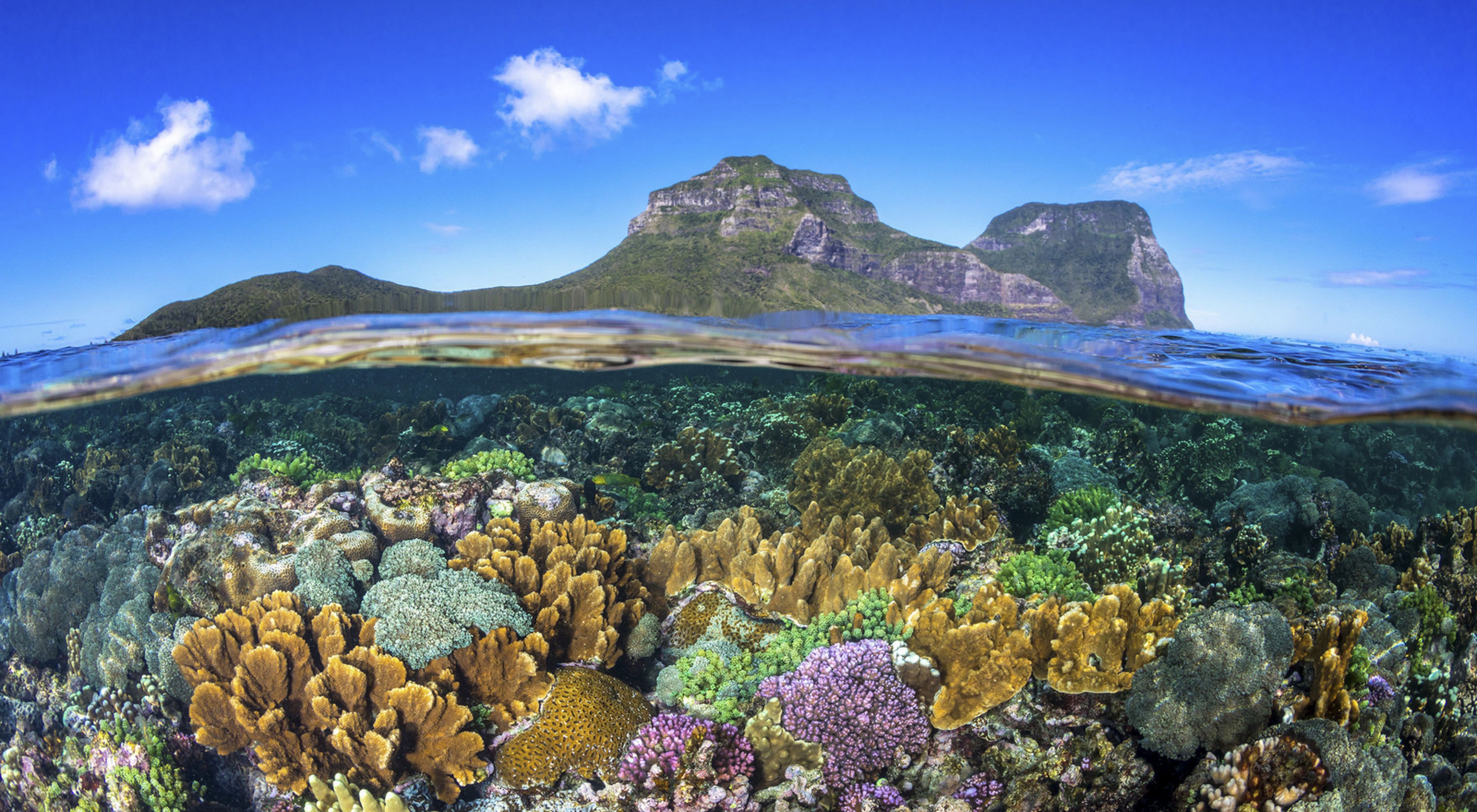
Beneath the surface of our oceans lies a vibrant and diverse ecosystem that rivals the biodiversity of the world’s rainforests: coral reefs. These underwater cities are home to a vast array of marine life and provide essential services to human communities. However, coral reefs are facing unprecedented threats from climate change, pollution, and overfishing. This article explores the intricate world of coral reefs, the challenges they face, and the urgent need for conservation efforts.
The Complexity of Coral Reefs
Coral reefs are formed by colonies of tiny animals called coral polyps. These polyps secrete calcium carbonate, creating the hard structures that make up the reef. Coral reefs are incredibly diverse, supporting about 25% of all marine species despite covering less than 1% of the ocean floor. This biodiversity includes fish, mollusks, crustaceans, and a myriad of other organisms that depend on the reef for food, shelter, and breeding grounds.
The Ecosystem Services of Coral Reefs
- Biodiversity Hotspots: Coral reefs are among the most diverse ecosystems on the planet, providing habitats for thousands of species.
- Coastal Protection: Reefs act as natural barriers, protecting shorelines from storm surges and erosion.
- Economic Value: Coral reefs support fisheries, tourism, and recreation, contributing billions of dollars to the global economy.
- Medical Resources: Many marine organisms found in coral reefs have unique biochemical compounds that are being studied for medical applications, including cancer treatments.
Threats to Coral Reefs
- Climate Change: Rising sea temperatures cause coral bleaching, a stress response where corals expel the symbiotic algae that give them color and provide nutrients. Prolonged bleaching can lead to coral death.
- Ocean Acidification: Increased CO2 levels in the atmosphere result in higher concentrations of carbonic acid in the oceans, which weakens coral skeletons and hinders their growth.
- Pollution: Runoff from agriculture, untreated sewage, and plastic waste introduces harmful substances into marine environments, damaging coral health and reducing water quality.
- Overfishing: Unsustainable fishing practices disrupt the balance of reef ecosystems, removing key species and causing cascading effects throughout the food web.
Conservation Strategies
- Marine Protected Areas (MPAs): Establishing MPAs can safeguard critical habitats and allow ecosystems to recover from human impacts.
- Restoration Projects: Initiatives like coral gardening and artificial reefs help restore damaged areas and promote coral growth.
- Sustainable Practices: Encouraging sustainable fishing, reducing carbon emissions, and minimizing pollution are crucial steps in protecting coral reefs.
- Research and Monitoring: Continued scientific research and monitoring are essential to understanding coral reef dynamics and developing effective conservation strategies.
Success Stories
Case Study: The Great Barrier Reef Marine Park
The Great Barrier Reef in Australia, the largest coral reef system in the world, has been a focus of extensive conservation efforts. The establishment of the Great Barrier Reef Marine Park has been instrumental in protecting this natural wonder. Through rigorous management, research, and community engagement, significant portions of the reef have been preserved, and innovative techniques are being employed to enhance its resilience to climate change.
Conclusion
Coral reefs are invaluable ecosystems that provide critical services to both marine life and human societies. The threats they face are multifaceted and require concerted global efforts to address. By implementing effective conservation strategies, promoting sustainable practices, and fostering international cooperation, we can ensure the survival of these underwater marvels. The preservation of coral reefs is not just an environmental imperative but a testament to our commitment to protecting the natural world for future generations.

